Success Music Studio

Color Coding


Color Coding Music - colorful notes


Color Coding Music & More

The Blog Category Is Expanding:

I’ve expanded the blog category to include general special needs topics in addition to the adapted score posts.


The Adapted Score:

Why color code music? Color has appeared in music scores for as long as there has been music notation. Moreover, color is a proven, powerful teaching tool. George L. Rogers has shown that color coding provides an access point for LD and special needs students for score reading.


With color, the special needs and LD students in his study exceled at sight reading tasks. However, without the color, they were entirely unable to read the score at all.


Therefore, students have the opportunity to experience success and thus avoid the failure that often comes with more traditional approaches. For many of these students, success is critically important. Success helps with both self-concept and self-esteem.


Color Coding Posts

The cornerstone category article:


The posts may be read in any order, but I suggest that you read these two posts first:


Playing and clapping exercises:


Graduating from the color coding


The remaining posts can be read in any order you like:


Special Needs Posts

These posts focus on non-color-coding special needs issues:


Learning differences posts:


The previous topic lists will be updated periodically. See the post grid below for the full list and full descriptions with featured images.


– Geoffrey Keith


© 2022 Geoffrey Keith


Back to the Successful Music Student Blogs page


Making Sense of Why Treble and Bass Clef Are So Different - Tenor, Treble, and Bass Clef

Making Sense of Why Treble and Bass Clef Are So Different

“How do I make any sense of the treble and bass clefs? Why are they so different?” To answer this question, you need to understand the grand staff, the pattern of the clefs, and middle C. Keep reading “Making Sense of Why Treble and Bass Clef Are So Different” to learn how the clefs work. Estimated reading time 3 minutes.

Making Sense of Why Treble and Bass Clef Are So Different Read More »
How to Play Piano (Kid’s Color Coded Piano Hand Placement) - First Piano - Joy to the World (Song, Words, and Piano) - Best Music Program for Three-Year-Olds

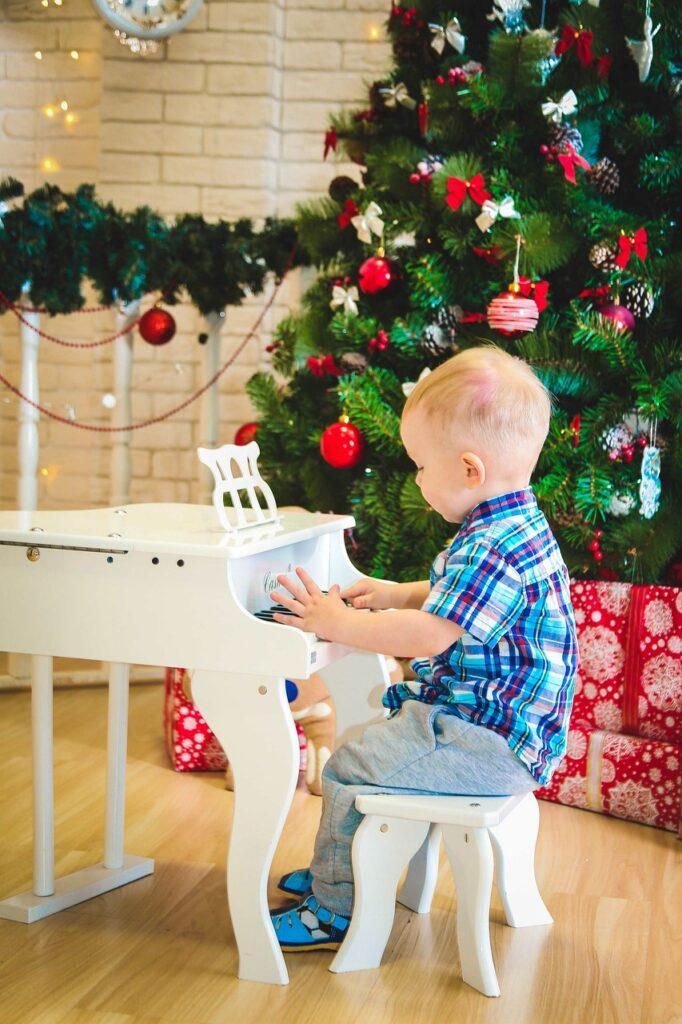
How to Play Piano (Kid’s Color Coded Piano Hand Placement)

Does your child want to learn how to play the piano? Do you want to know the best way to teach piano hand placement? Finger placement on the piano keyboard is an important skill that should be taught at the earliest stages of learning. Keep reading “How to Play Piano (Kid’s Color Coded Piano Hand Placement)” to learn how it works. Estimated reading time 3 minutes.

How to Play Piano (Kid’s Color Coded Piano Hand Placement) Read More »

Reading Music (A Quick Guide to How to Read Music) - Sheet Music

Reading Music (A Quick Guide to How to Read Music)

Do you want to know how to read sheet music? It doesn’t matter whether you’re talking vocal sight reading, reading classical music, or understanding guitar tab, basic music reading will remain mostly the same. In some way, shape, or form all music notations track notes and rhythms, but how they do so will sometimes be different. Read more of “Reading Music (A Quick Guide to How to Read Music)” to get an overview of how to read sheet music. Estimated reading time 5 minutes.

Reading Music (A Quick Guide to How to Read Music) Read More »

The Gifted Dyslexic and Insight Learning - Notepad and Computer - What Exactly Is a Ballad and How Do You Write One?

The Gifted Dyslexic and Insight Learning (Part 4)

Have you ever wondered if you’re gifted and dyslexic? Or are you a parent of a child who’s gifted and dyslexic and want more information. Sometimes it can be difficult to recognize giftedness. Ronald Davis states, “This would commonly be recognized as daydreaming or simply not paying attention. The student is actually paying attention but has shifted to an imaginary world that is more interesting” (“The Gift of Learning” 38). How is this a sign of giftedness? Keep reading “The Gifted Dyslexic and Insight Learning” to learn about the last of our four dyslexic strengths. Estimated reading time 3 minutes.

The Gifted Dyslexic and Insight Learning (Part 4) Read More »

Amnesia, Alzheimer’s, Stroke, and Color Coding Music - Elderly Accordion Player - Perfect Pitch: Discover the Truth [Plus Absolute Pitch Test]

Amnesia, Alzheimer’s, Stroke, and Color Coding Music

Are you a music teacher who has a student with amnesia, Alzheimer’s, or stroke? All three conditions can have a profound effect on a person’s life. If we do our jobs well, we can help them improve their quality of life. Read more to learn how color coding music can help students with amnesia, Alzheimer’s, and strokes. Estimated reading time 4 minutes.

Amnesia, Alzheimer’s, Stroke, and Color Coding Music Read More »

Musical Talent and Giftedness - Kid Playing a Ukulele

Musical Talent and Giftedness

Music teachers: do you have students who show musical talent and giftedness? Do you need some information on how they learn? With musically gifted and talented students, just like any other students, you need to meet them where they’re at, making the adjustments in their playing based on what you see. That way, they can become better students than before they came to you. Keep reading to learn more about musical talent and giftedness. Estimated reading time 4 minutes.

Musical Talent and Giftedness Read More »