


Success Music Studio

How to Graduate from Color Coded Music Symbols - Certificate of Graduation

How to Graduate from Color Coded Music Symbols – Part 5

Facebook
Twitter

Estimated reading time 3 minutes

Table of Contents

Introduction

“How do I finally get my students to be able to read music without color coding?” In today’s post, we’ll look at the last stage of graduating from the colors: flashcards. Keeping reading to learn how to graduate from color coded music symbols.

So far in the Graduating from the Colors series, we’ve covered:

This article uses musical terms. For definitions, see the Glossary at the end of the post.

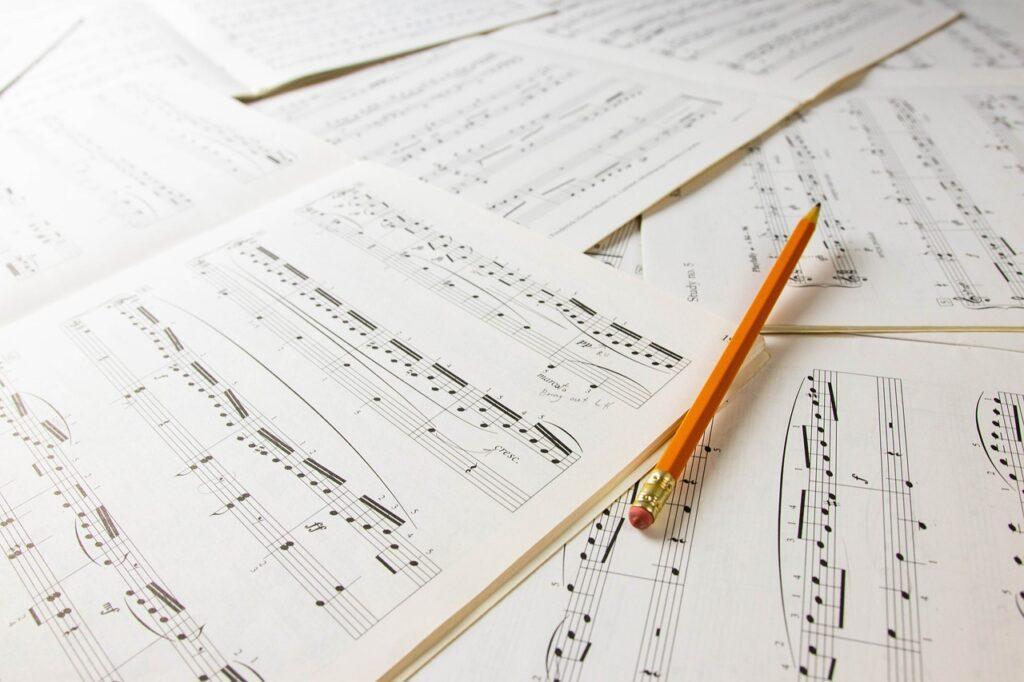
Tonic vs. Root in Music Theory: Are They the Same Thing? (Part 2) - Sheet Music and Pencil - How to Graduate from Color Coded Music Symbols - Musical Talent and Giftedness

Flashcards and Graduating from Color Coded Music Symbols

“How do you graduate from color coded music symbols?” Once you’ve worked with students using contour lines, clef mnemonics, edge notes, and ledger lines, they’ll be ready for flashcards:

  • With some students you can use flashcards before the student hits intermediate level material.
  • However, if introduced too early, other students will find that flashcards make note reading more confusing rather than less.
  • This will be especially true for LD students.
  • However, if you’ve been working steadily with the colors, most students will be ready for the flashcards when they get to intermediate level lesson books.

For example, this will be how you’d help a piano student graduate from the colors:

  1. Show the student the flashcard.
  2. Have the student say the note.
  3. Ask the student to play the note on the piano using the correct hand for the given clef.

This will help you know if the student has problems finding the note in the correct octave. Also, it’ll help the student connect the note with the sound of the pitch and its visual location on the instrument.

I break the cards into two decks.

  • One deck has the notes on the body of the grand staff plus middle C.
  • The other deck has the ledger lines above and below the grand staff, and most of the ledger lines between the two clefs of the grand staff.
  • However, it won’t have middle C, which will be in the first deck.
  • I’ll work with the notes on the grand staff first.
  • When the student has mastered the first deck, I’ll start working on the ledger line deck.

The Three Questions and Graduating from Color Coded Music Symbols

“How do you graduate from color coded music symbols?” I start by holding up a card from the first deck and asking three questions:

  • “Which hand plays the note?”
  • “Is it a line note or a space note?”
  • “What clef mnemonic do you use?”

Each question has a role to play:

  • If the students confuse which hand to use, they’ll also get confused on which mnemonic to use.
  • The “line/space note” question helps the students to pare down which mnemonic to apply.
  • The answer to the final question will bring forward any confusion with the mnemonics.

Some issues you might run into:

  • Did the students confuse the line mnemonic with the space mnemonic or vice versa?
  • Or did they read the mnemonic top to bottom instead of bottom to top?
  • Did they confuse the line mnemonic on the G clef with the line mnemonic on the F clef, and so on?

Relatively quickly, your students will be able to identify the notes without being asked the three questions.

Need Advice for Teaching a First Year High School Jazz Pianist - Pianist - How to Graduate from Color Coded Music Symbols

Final Thoughts on How to Graduate from Color Coded Music Symbols

“How do you graduate from color coded music symbols?” By practicing with the flashcards until the students gains confidence.

  • This means that you should take five minutes out of every lesson to do flashcard work.
  • Once the students have gained confidence you can stop using the flashcards.

In addition, you can find apps and websites that’ll help drill students on the notes of the grand staff. Encourage your students to invest time working with a flashcard website:

Have fun playing!

Related Posts:

© 2023 Geoffrey Keith

Newsletter Signup

Join me for in-person or online lessons today!

Back to the Color Coding category blogs page

Back to the Successful Music Student blogs page

Glossary

How Do I Switch from Chromatic Shaped Notes to Standard Notation - Choral Music - Choir Meaning & Examples with Videos, Pictures, & Soundtracks - I'm Confused About These Stupid Vocal Ranges

How Do I Switch from Chromatic Shaped Notes to Standard Notation – Part 3

Do you want to learn how to transition from shape notes to standard notation? Have you ever wondered when you should use the special solfege syllables for sharp and flat notes? Standard notation gives you clues on when to use the diatonic solfege syllables versus the chromatic syllables. Read more to learn the answer to the question, “How do I switch from chromatic shaped notes to standard notation?” Estimated reading time 2 minutes.

Read More
How to Play Rock Music’s 5 Best Guitar Songs - Gibson SG

How to Play Rock Music’s 5 Best Guitar Songs

Do you want to have fun learning how to play rock music’s five best guitar songs? Rock is a sub-genera of pop music where the guitar plays a central role in the creating and arranging of the music. The following post gives you fun classic rock and party/anthem rock songs with videos that explain how to play them (including one bonus track). Click “How to Play Rock Music’s 5 Best Guitar Songs” to learn how to perform them. Estimated reading time 3 minutes.

Read More


How to Extract a Melody from Your Lyrics - vintage-typewriter-on-desk - The Narrator’s Point of View in Your Songwriting.jpg

How to Extract a Melody from Your Lyrics

Do you have lyrics but need a melody? Starting with the text’s rhythm helps you create the melody you need. Read more to learn how to extract a melody from your lyrics. Estimated reading time 3 minutes.

Read More

Is There Any Method to Help with Writing Descriptions - Woman Working at a Laptop - 12 Simile Examples That Aren’t Cliches (How to Write Them) - Cadence Meaning and Definition (Examples for Music and Language)

Is There Any Method to Help with Writing Descriptions?

“When I write, my descriptions seem lifeless. Is there any method to help with writing descriptions?” When it comes to creating vibrant descriptions in your writing (or songwriting), there's a powerful method that can make a world of difference. You need to avoid static descriptions. You do this by using action words. Keep reading to find out how it works. Estimated reading time 2 minutes.

Read More