




Success Music Studio

a harmony’s length impacts singing in tune - library - How to Learn Music Theory with a Learning Disability

How to Learn Music Theory with a Learning Disability

Facebook
Twitter

Estimated reading time 3 minutes

Table of Contents

Introduction

Are you frustrated because music theory seems to be filled with arcane and unreachable knowledge? While learning music theory can present challenges for musicians with learning disabilities, it is possible to dispel the mystery surrounding how music works. Keep reading How to Learn Music Theory with a Learning Disability for study tips and music theory resources.

Do I Really Have to Learn Music Theory to Learn How to Play Piano - Learn the Elements of Songwriting Construction - Songwriter at a Computer - after they can sight-read what’s left for musicians to learn - What is a Parallel Mode and How Does it Work - How Can I Learn the Basics of Music Theory - The Top 5 Best Drake Sheet Music Gift Ideas

Learning Music Theory with a Learning Disability: Advice for Studying

Here are several tips for how to learn music theory with a learning disability.

Focus on multisensory strategies.

  • The term multisensory sounds like just what it is. It’s using your different senses to help you learn.
  • For music it’s primarily sight, sound, and touch.
  • Look for websites and apps that incorporate these elements into their teaching.

If you struggle with reading, get the information in other ways.

  • Study audio books and videos.
  • Try doing hands-on projects.
  • Also, color coding is especially effective for helping musicians with learning disabilities to master music theory.

Break tasks into small, manageable steps.

  • Tasks can easily become overwhelming for people with learning disabilities, especially for ADHD musicians.
  • Pick one small, manageable task and focus on it until you’re done. Try to avoid becoming distracted by tangents.
  • Start with simpler concepts first (e.g., scales and rhythm) before tackling more complex concepts (e.g., harmony, chord progressions, and counterpoint.)

Visual aids

  • Many people with learning disabilities have strengths in visualizing and spatial skills.
  • Focus on charts, diagrams, and tables in theory books and websites, because they’ll often help unlock the information for you.
  • Create your own charts and diagrams to help you organize and understand the information.

Find support

  • Don’t try to do it all on your own.
  • Look for a good teacher, find a songwriting group, or ask for help from online social media groups.
  • Read blog posts and watch YouTube videos.

Keep at it!

  • It’s easy for musicians with learning disabilities to get discouraged, so try to stay positive.
  • Remember, the more you study the better you’ll get – embrace incremental change.
  • As Lao Tzu said, “A journey of a thousand miles starts with one step.”

Don’t give up – giving up is the worst kind of learning disability, because it’s one that you have a choice about.

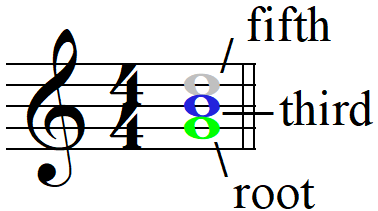
An Easy How to Guide to Understanding Triads - G Major Triad (Root, Third, Fifth) - How to Learn Music Theory with a Learning Disability

Learning Music Theory with a Learning Disability: Music Theory Resources

Here are some music theory posts to get you started. They feature visual aids, soundtracks, and videos.

Melody

Help Me! How Do I Improve My Touch on Piano?

Rhythm

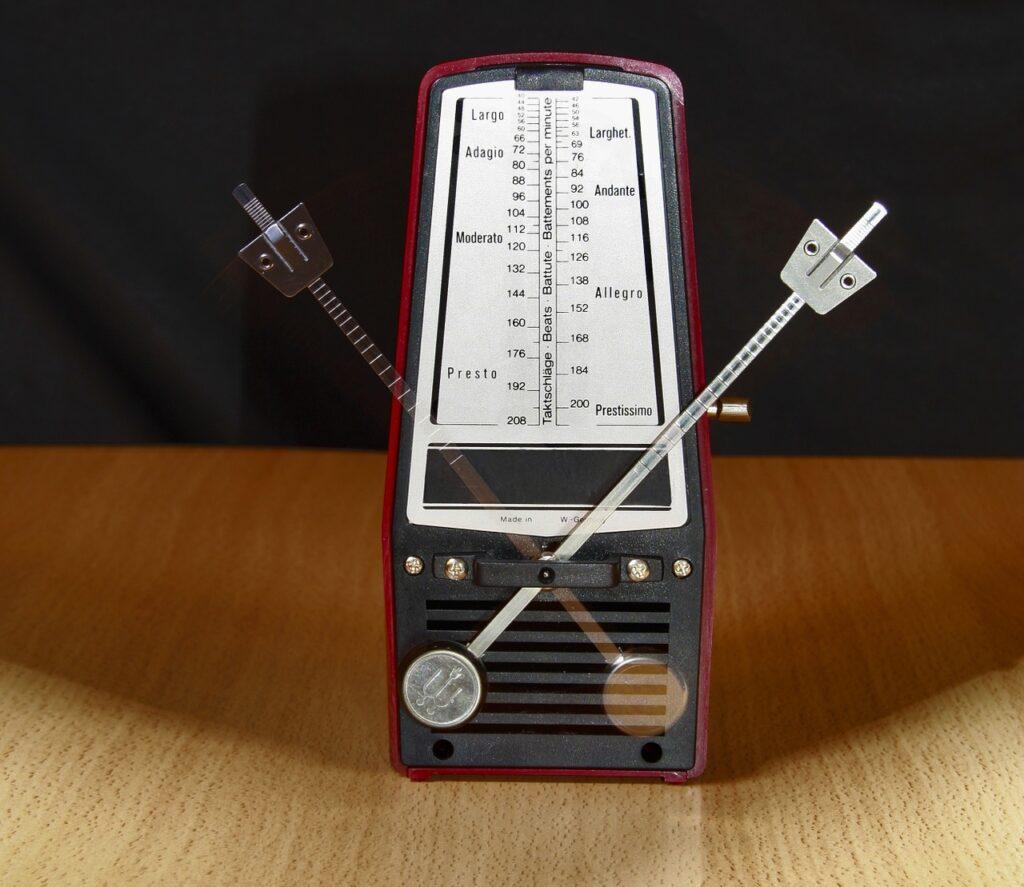
Whats a Good Alternative to a Metronome for Practice Sessions - Metronome - I’m Having a Hard Time Keeping a Steady Beat - Singing Rhythm - BPM (Using the Metronome to Get the Music Beat) - - How to Learn Music Theory with a Learning Disability

Harmony

Mobile users: for best results reading the pictures, rotate your screen 90o to the right.

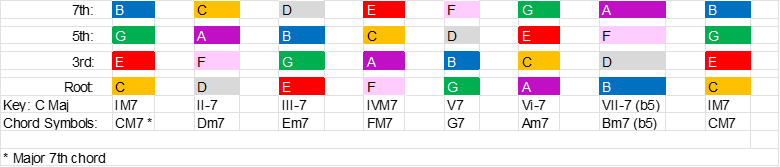
Chord Progression (Including the 12 Bar Blues) - Seventh Chords in C Major - How to Learn Music Theory with a Learning Disability

Form

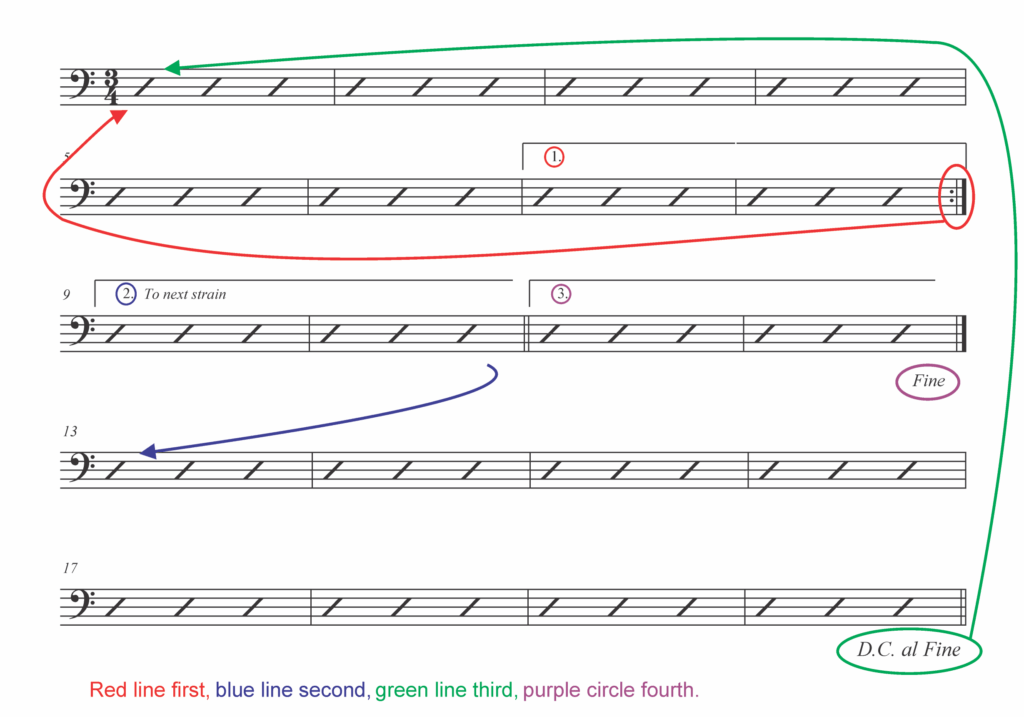
How to Color Code the Musical Form to Unlock LD & Special Needs Music Students' Learning Potential - Example of Color Coded Form - How to Learn Music Theory with a Learning Disability

Keys

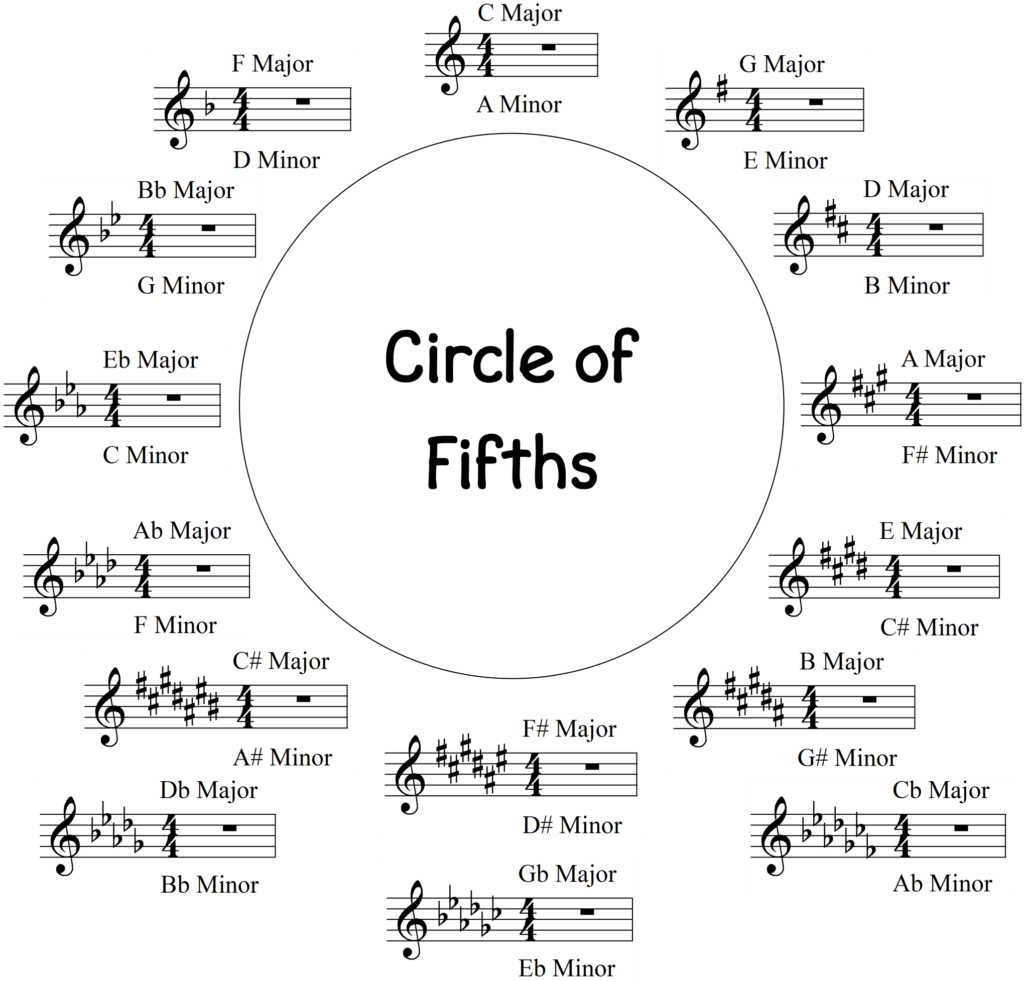
What Exactly Do I Do with The Circle of Fifths - Circle of Fifths - How to Learn Music Theory with a Learning Disability - How to Effectively Use Music Theory to Transpose Music

Final Thoughts on “How to Learn Music Theory with a Learning Disability”

Takeaway points:

  1. Look for websites and apps that incorporate multisensory elements into their teaching.
  2. Focus on charts, diagrams, and tables in theory books and websites, because they’ll often help unlock the information for you.
  3. Color coding is especially effective for helping musicians with learning disabilities to master music theory.
  4. Study audio books and videos.
  5. Pick one small, manageable task and focus on it until you’re done.

Have fun learning!

Related Posts

© 2024 Geoffrey Keith

Newsletter Signup

Join me for in-person or online lessons today!

Back to the Color Coding category blogs page

Back to the Successful Music Student blogs page

Success Music Studio Is on Instagram - Instagram on a Mobile Phone

Success Music Studio’s Expert Advice Is Now on Instagram

Are you a musician or want to be one? Are you looking for new and fun ways to interact with the “Successful Music Student” blog? I’m excited to announce that I’ve officially launched my Instagram page, which has the same name as my blog. Click to learn how it works and what it has to offer. Estimated reading time 2 minutes.

Read More


Singing Shape Notes Solfege Ionian Melodies - Women's Choir

Singing Shape Notes Solfege Ionian Melodies

Want to be able to sing modes? I can help. You’ll see the Ionian mode more often than any other type of mode. It’s used extensively in pop, jazz, classical, and even folk music. In “Singing Shape Notes Solfege Ionian Melodies,” you’ll be singing the last mode we’ll look at in the modes series. Keep reading to learn more. Estimated reading time 2 minutes.

Read More
Singing Shape Note Solfege Mixolydian Melodies - Computer Mouse on Sheet Music -Do People with ADHD Have Difficulty Playing from Sheet Music?

Singing Shape Note Solfege Mixolydian Melodies

Do you want to sing blues, gospel, or even mediaeval melodies? Are you confused about how modes work? Modes have the exotic feel of world music and music from ancient times. "Singing Shape Note Solfege Mixolydian Melodies" helps you discover the sound of the modes. Estimated reading time 4 minutes.

Read More
Hot Tube Amps Versus Cool Recording Studio Modelers - Marshall Amp

Hot Tube Amps Versus Cool Recording Studio Modelers

Have you been looking at gear and want to know whether tube amps or amp modelers are the better option for your guitar sound? Tube amps are old school and amp modelers are state of the art. However, each has its own advantages and disadvantages. Keep reading “Hot Tube Amps Versus Cool Recording Studio Modelers” to learn the benefits of each. Estimated reading time 3 minutes.

Read More