

Success Music Studio

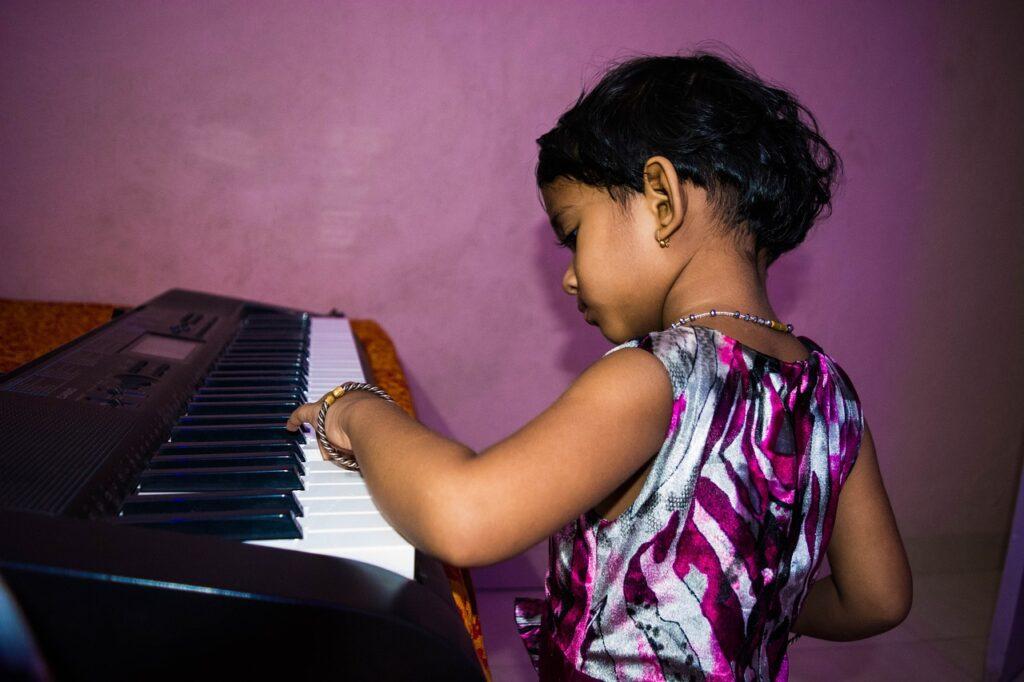
12 Easy Piano Songs (Including Twinkle Twinkle Little Star) - cute girl playing piano, little girl, piano

Is Playing the Piano a Suitable Activity for Autistic People?

Facebook
Pinterest
LinkedIn

Estimated reading time 2 minutes

Table of Contents

Introduction

Do you want your autistic child to play piano? Or are you an adult with autism who’s wondering if piano would be a good fit? Playing piano brings a lot of benefits beyond just the fun of playing music. Read more to find out the answer to the question, “Is playing the piano a suitable activity for autistic people?”

Better Lessons for Music Students - Grand Piano - Is Playing the Piano a Suitable Activity for Autistic People - Meantone Tuning (Simple Instructions)

This post contains affiliate links, which means I may receive a small commission from purchases made through the links. I’ll only recommend products I use, use in lessons, or ones my students or colleagues have recommended.

Playing the Piano is a Suitable Activity for Autistic People #1: The Spectrum

“Is playing the piano a suitable activity for autistic people?”

Piano will be a good fit for most people on the autism spectrum.

  • People on the spectrum have a range of strengths and struggles.
  • Music teachers need to assess students to figure out which teaching methods will work best.

Every person with autism is different.

  • Some people communicate well and learn music well (or may even be musically gifted) but still can have problems with social situations.
  • Other people on the spectrum can have extreme communication problems and will need a lot of support to learn effectively.
  • Color coding has been scientifically proven to help students who struggle with reading music.

 With appropriate multisensory strategies, many people with classic autism can learn piano.

Playing the Piano is a Suitable Activity for Autistic People #2: Expressing Your Emotions

“Is playing the piano a suitable activity for autistic people?”

Yes, and music can be a great release after a stressful day.

  • Social situations can be tough if you’re on the spectrum.
  • Sadly, social interactions permeate almost everything we do in life.
  • Regardless of whether you have autism or not, playing piano provides you with a great way to express your feelings.
Color Coding Musical Accents - writing well crafted songs - Picture of Sheet Music on a Piano - Do My Hands' Sizes Affect Learning Performance on the Piano - Teaching Music Teachers - Vintage Sheet Music - What Purpose Do Accidentals Serve in Reading Sheet Music - What Does it Mean for Me to Interpret a Piece of Music - Is Playing the Piano a Suitable Activity for Autistic People - How Long Do You Take to Memorize a Piece of Piano Music

Playing the Piano is a Suitable Activity for Autistic People #3: Makes You Feel Good

“Is playing the piano a suitable activity for autistic people?”

It can sometimes be really difficult being a person with autism having to operate within a neurotypical world.

  •  Piano can help.
  • When social interactions go wrong, or things go haywire at work or school, it can do real damage to your self-esteem.
  • The sense of accomplishment from acquiring skill on piano feels good and builds confidence.

Having said that, if you have troubles with learning, the links above can help.

If you want to play piano, these are the piano books I use when I teach lessons.

Ages 4-6

Ages 5-7

Ages 8-10

Ages 10-12

Teens and Adults

Learn How To Get A Killer Sound For Your Band - supplemented equal temperament minor keys - synth, guitar, and lead singer - Is Playing the Piano a Suitable Activity for Autistic People

Playing the Piano is a Suitable Activity for Autistic People #4: Making Friends

“Is playing the piano a suitable activity for autistic people?”

Whether you play in a rock band, jazz band, or some other ensemble, group music activities can be a good way to make friends.

  • Music helps people bond, creating connections while breaking down social barriers.
  • Besides joining bands and ensembles, you can play piano in group lessons or in music therapy sessions.

In addition, becoming part of an ensemble will develop a sense of teamwork and belonging.

Conclusion

“Is playing the piano a suitable activity for autistic people?”

Yup, ‘nuf said.

© 2023 Geoffrey Keith

What Exactly Does Onomatopoeia Mean in Writing

Do you want to know what in the world the odd sounding word onomatopoeia means? Do you need help learning how to write them? We’ll define the word and have examples from writing, songwriting, and poetry. Keep reading “What Exactly Does Onomatopoeia Mean in Writing” to learn what it is and how it’s used. Estimated reading time 2 minutes.

Read More
Why Do Just Intonation Keys Have Different Aural Characteristics - Piano Tuner

Why Do Just Intonation Keys Have Different Aural Characteristics?

Have you ever wondered why just intonation sounds different in different keys? This happens because the structure of just intonation diverges from equal temperament (the modern tuning standard), resulting in a different sound. Click to learn the answer to the question, “Why do just intonation keys have different aural characteristics?” Estimated reading time 4 minutes.

Read More
How Do I Match My Pitch to Another Singer - Woman with Mic - Singing Vocal Exercises - What Does Intonation Mean and Why Is It Essential in Music

How Do I Match My Pitch to Another Singer?

“How do I match my pitch to another singer?” Pitch matching is the starting place for ear training. If you can’t match your pitch to the same note another vocalist sings, you won’t be ready to learn how to harmonize. Don’t worry, the sing-long soundtracks will help! Keep reading to learn how it works. Estimated reading time 2 minutes.

Read More
The Gifted Dyslexic and Insight Learning - Notepad and Computer - What Exactly Is a Ballad and How Do You Write One?

The Gifted Dyslexic and Insight Learning (Part 4)

Have you ever wondered if you’re gifted and dyslexic? Or are you a parent of a child who’s gifted and dyslexic and want more information. Sometimes it can be difficult to recognize giftedness. Ronald Davis states, “This would commonly be recognized as daydreaming or simply not paying attention. The student is actually paying attention but has shifted to an imaginary world that is more interesting” (“The Gift of Learning” 38). How is this a sign of giftedness? Keep reading “The Gifted Dyslexic and Insight Learning” to learn about the last of our four dyslexic strengths. Estimated reading time 3 minutes.

Read More