



Success Music Studio

How to Teach Music Students with Dyscalculia - Numbers

How to Teach Music Students with Dyscalculia

Facebook
Twitter

Estimated reading time 4 minutes

Table of Contents

Introduction

Does your child or student have dyscalculia? Do you need help getting them to play rhythm accurately? Children with dyscalculia have struggles with math, and math and music have a lot in common. So, it makes sense that students with dyscalculia can have problems learning music. However, this post is stuffed with teaching tips that will help students learn. Keep reading How to Teach Music Students with Dyscalculia to learn multisensory strategies that will help kids of all abilities have fun playing and singing.

This article uses musical terms. For definitions, see the Glossary at the end of the post.

playing the piano with color coded notes - girl playing piano - 12 Easy Piano Songs (Including Twinkle Twinkle Little Star) - How to Play Piano (Kid’s Color Coded Piano Hand Placement) - What Is the Precise Meaning of Scaffolding in Teaching - How to Teach Music Students with Dyscalculia - What’s Pervasive Developmental Disorder and Its Impact on Music?

How to Teach Music Students with Dyscalculia: How Does it Impact Lessons?

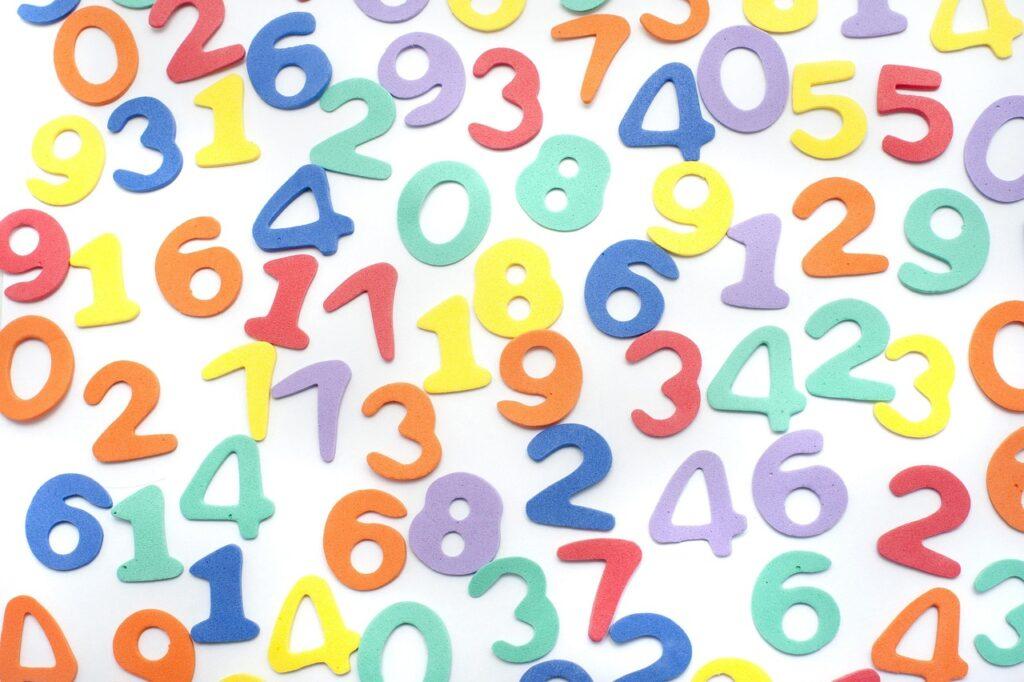
Simply put, students with dyscalculia have issues with math:

  • And like math, music requires sequence and order. It’s called rhythm.
  • Therefore, rhythm can also pose challenges for students with dyscalculia.
  • However, the following games and strategies will help your student master rhythm.
Color Coded Eighth Note Clapping - Clapping Hands Cartoon - Color Code Rhythm - I’m Having a Hard Time Keeping a Steady Beat - Singing Rhythm - How to Color Code Music to Optimize the Steady Beat - The 5 Best Effortlessly Easy Metronome Practice Tips - How to Teach Music Students with Dyscalculia

How to Teach Music Students with Dyscalculia: How Do You Teach Rhythm?

First, you play clapping games using word syllables.

  • For example, start by coloring swatches of pink and yellow on a sheet of white paper.
  • Next, you’ll point (with a steady beat) at the colors using a pointer.
  • The child will clap once for every pink color and twice for every yellow color (e.g., pink, pink, yel-low, yel-low), clapping the number of syllables in each word.
  • Many music teachers use fruit words to make the games even more fun.
  • The following two videos show you how this works.

Mobile users: for best results viewing the videos, rotate your screen 90o to the right.

Video: Beet and Cherry Song
Video: Pear, Apple, and Watermelon Game

Second, you can play a counting game.

  • This is a precursor game to learning how to count rhythm. You’ll usually use this with very young children.
  • As is demonstrated in the video below (time stamp 5:05 – 5:55), you take rhythm sticks, count to an arbitrary number (e.g., three, four, five, etc. – mix it up), and at the end say, “sticks up.”
  • This is good for getting across the idea that you need to do a certain number of actions (e.g., notes, beats, taps, claps, etc.).
Video: Pre-Counting Game

Third, for young children you can clap using Kodaly rhythmic syllables.

  • The syllables are very intuitive so most kids will respond well to them.
  • However, the syllables aren’t as flexible as counting the rhythm, so it’s usually only a steppingstone to working with more advanced rhythms.
  • Our next strategy (following the video) will show you how to teach more complex rhythms.

For more information on rhythmic syllables:

Video: Kodaly Rhythmic Syllables

Fourth, you can color code the rhythm.

  • You do this by color coding the counting numbers.
  • For example, you clap at the red counting numbers, but you don’t at the blue numbers.
  • This is a powerful teaching tool that helps older kids and adults who struggle with accurate rhythm.

Mobile users: for best results reading the music, rotate your screen 90o to the right. (Unless it already is.)

Color Coded Quarter Note Clapping (3-4) - color - line 1
Color Coded Quarter Note Clapping (3-4) - color - line 2

3/4 Time:

Video: How Effective is Color Coding the Rhythm?

Playing with a steady beat can also be an issue for kids with dyscalculia.

  • While using a metronome will help older students, it’s entirely useless for young students.
  • For young students, you can use a pointer to guide their eyes across the page in time.
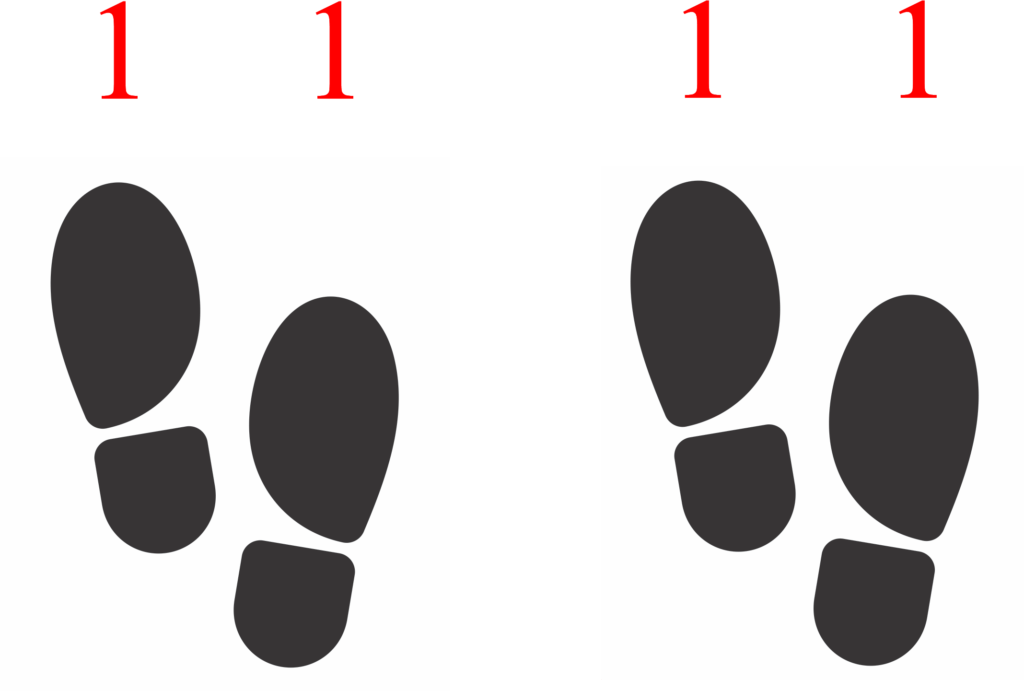
  • You can also physicalize the beat by rocking from one foot to the other.

For more information on teaching the steady beat:

How to Color Code Music to Optimize the Steady Beat - Footprints - Quarter Notes (Color)

How to Teach Music Students with Dyscalculia: What Other Issues Can Crop Up?

How to Graduate from the Color Coded Sheet Music - Part II - Girl Playing Flute - after they can sight-read what’s left for musicians to learn - What Does it Mean for Me to Interpret a Piece of Music - Music Therapy vs Music Lessons - BPM (Using the Metronome to Get the Music Beat) - What Does Intonation Mean and Why Is It Essential in Music

Final Thoughts

Takeaway points:

  1. Simply put, students with dyscalculia have issues with math.
  2. Like math, music requires sequence and order (it’s called rhythm), so music can pose challenges for students with dyscalculia. However, there are many games and strategies that will help your students master rhythm and the steady beat.
  3. In addition, some kids with dyscalculia will also struggle with notes, fingering, guitar tab, and putting their hands together on piano.

Have fun teaching!

Related Posts:

© 2025 Geoffrey Keith

Glossary

Whats the Secret of Practicing Arpeggios – Pianist

What’s the Secret of Practicing Arpeggios?

“What’s the secret of practicing arpeggios?” Arpeggios are both an important playing technique and a useful compositional device. They can add a flowing grace to your playing. Keep reading to learn more. Estimated reading time 3 minutes.

Read More

Basic Music Notation Explained in Less Than 4 Minutes

Does music notation seem to be one big mystery? Do you want to be able to read music? Music notation can sometimes seem counterintuitive. However, you too can learn to read music. This post will help give you a quick overview of how music notation works. Keep reading “Basic Music Notation Explained in Less Than 4 Minutes” to learn what it is and how it works. Estimated reading time 3 minutes.

Read More
Do I Really Have to Learn Music Theory to Learn How to Play Piano - Understanding Prosody in Your Songwriting - piano - Learn How to Play Beethoven’s Beautiful Fur Elise

Do I Really Have to Learn Music Theory to Learn How to Play Piano?

Do you want to give up on learning music theory? Does it seem pointless to you? Music theory can help with sight reading skills on the piano. It’ll be useful for improvisation and composition. It even helps with performance practice. If you still have an open mind, read “Do I Really Have to Learn Music Theory to Learn How to Play Piano?” to understand the ways it can help you to better play the instrument. Estimated reading time 4 minutes.

Read More