
Success Music Studio

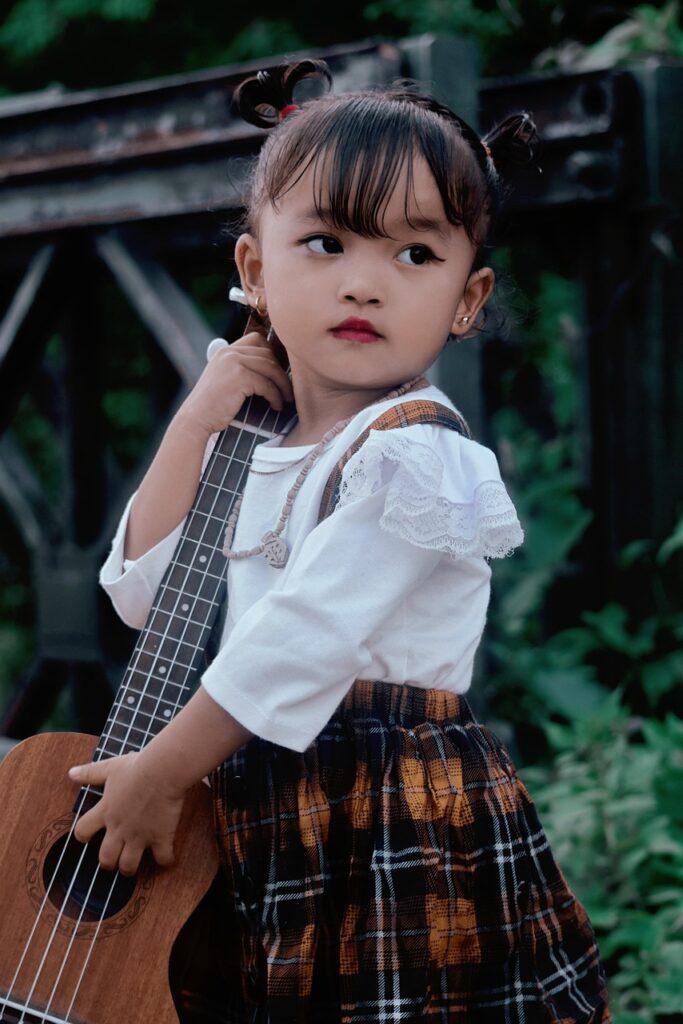
What’re Critical Fine Motor Skills for Special Needs Music - Girl with Ukulele

What’re Critical Fine Motor Skills for Special Needs Music

Facebook
Twitter

Estimated reading time 3 minutes

Table of Contents

Introduction

Do you want to know what fine motor skills are and how they impact special needs music lessons? Fine motor skills are small, precise movements and therefore are a critical component of musical instrument lessons. Gross motor skills – which focus on big, coordinated movements – are also important in music. However, most instruments require a high level of finger precision, which is why in today’s post we’ll mostly focus on activities to develop finger dexterity. Keep reading What’re Critical Fine Motor Skills for Special Needs Music to learn how to increase finger dexterity in your special needs students.

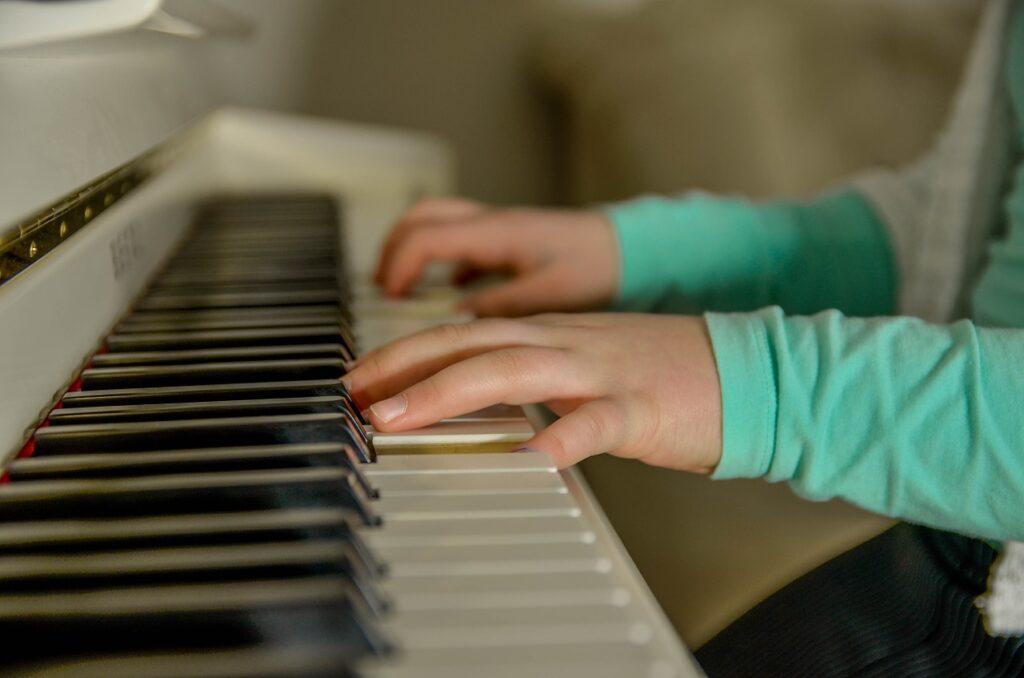
Playing the Piano with Color Coded Rhythm, Fingering, and Notes - Piano Student - How to Play Piano (Kid’s Color Coded Piano Hand Placement)

What’re Critical Fine Motor Skills for Special Needs Music Students: What Are Precision vs Power Fingers?

Learning an instrument will help improve finger dexterity:

  • Therefore, some special needs students will benefit from music lessons as a motor skills activity.
  • However, other special needs students will need additional fine and gross motor skills activities to help them to be ready for music lessons.
  • This is especially true for Down syndrome students.

It’s important to realize that the hand is bisected into two types of fingers:

  • Your thumb, index, and middle fingers are optimized for tasks that need delicacy and precision (e.g., buttoning a shirt, pealing stickers, or tying shoelaces).
  • Conversely, the ring and pinky are your power fingers. When combined with the rest of the fingers, they help stabilize the hand and add power to your grip so you can do things like swinging a bat. However, they are weak and awkward when used independently.
  • Strings, woodwinds, brass, and piano all require the power fingers to act like precision fingers.

Most percussion instruments don’t require the same level of fine motor skills as the other three instrument families:

  • In addition, vocalists don’t have to worry about finger dexterity at all.
  • This means that both can be good options for special needs students.
  • However, if a student falls in love with an instrument that requires precision fingering, there are both fine and gross motor skills activities that you can do to help prepare the student to play their instrument of choice.
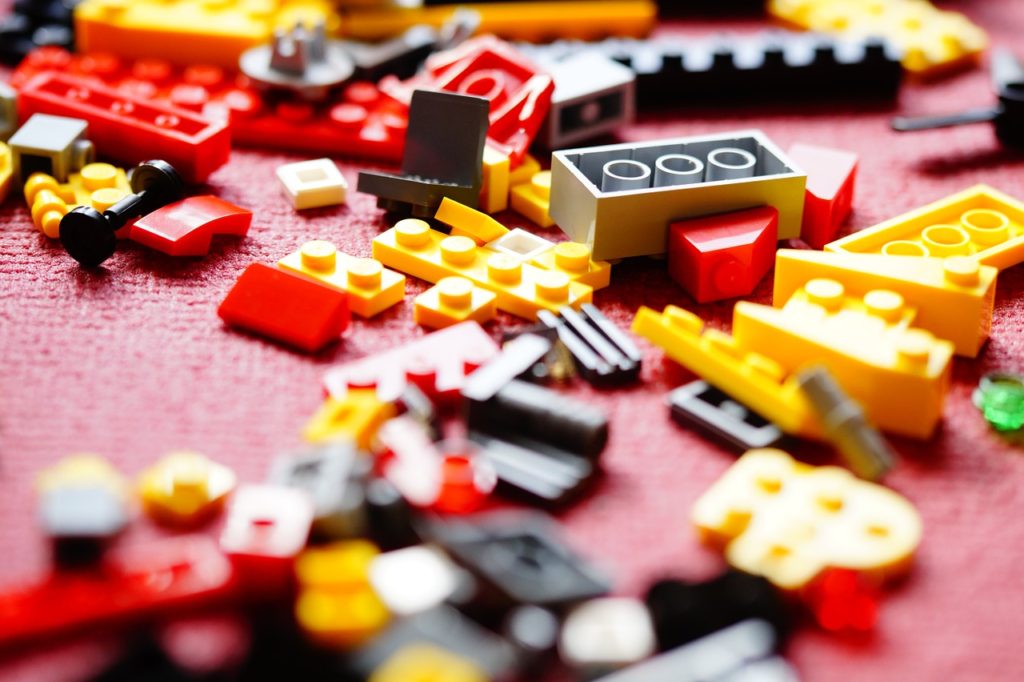
Geoff Keith Attends the 2022 ABLE Assembly - Lego Rhythm Manipulatives - Lego Pile

What’re Critical Fine Motor Skills for Special Needs Music Students: What Are Some Gross Motor Skills Activities?

For young students, dancing and musical movement are good gross motor skills activities. For example:

(Click each link to see an example video.)

Color Coded Eighth Note Clapping - Clapping and Conducting - What’s a Good Alternative to a Metronome for Practice Sessions - I’m Having a Hard Time Keeping a Steady Beat - The 5 Best Effortlessly Easy Metronome Practice Tips

What’re Critical Fine Motor Skills for Special Needs Music Students: What Are Some Fine Motor Skills Activities?

The trick to these activities is to make them into fun games:

  1. Type on a computer keyboard.
  2. Pick up coins using different finger combinations (e.g., thumbs/pointer, thumb/middle, etc.) and drop them in a cup.
  3. Play soccer with a superball using the index and middle fingers to kick the ball.
  4. Put on and take off a small sized rubber glove.
  5. Dig out a toy buried in therapy puddy.
  6. Play with Legos.
  7. Play shadow puppet games.
  8. Make the “a-okay” sign with the index and thumb touching.
  9. Touch the fingers of both hands together and make it look like they’re doing pushups.
  10. Tap each finger to the thumb on the same hand.
  11. Squeeze each finger with the other hand.
  12. Make the hand look like a bug creeping across a table.
  13. Sing the song Where Is Thumbkin while doing the hand motions.

As you can see, they don’t specifically have to be musical activities:

  • Try to keep things fun and light.
  • You can intermingle the non-musical games above with musical gross motor skills activities.
  • The non-musical activities are going to be an important step for your student on the path to attaining the skill needed to play a musical instrument.

Video: Where Is Thumbkin

Video: Finger Workout

Final Thoughts

Takeaway points:

  1. What’re fine motor skills? They’re small, precise movements that are a critical component of most special needs musical instrument lessons.
  2. You can help develop these skills through activities that train both the precision and power fingers to have greater dexterity.
  3. However, it’s also important to keep things fun and game-like.

Have fun teaching!

Related Posts:

© 2025 Geoffrey Keith

Can I Learn Sight-Singing if I Haven’t Learned an Instrument? - How Intervals Affect Singing in Tune - Female Singer with mic - Sing Perfectly in Tune All the Time with Touchstone - How Can I Tell When I’m Singing in Key

How Can I Tell When I’m Singing in Key?

Do you ever ask yourself, “How can I tell when I’m singing in key?” or “How do I know if I’m singing in tune?” If you happen to be one of those people who has an innate sense of pitch, count yourself lucky. For everybody else, take heart! Performing in key is a skill that you can learn, and the sing-along soundtracks will help. Read more to learn what you need to listen for to be able to sing in key. Estimated reading time 3 minutes.

Read More
harmony and melody tune differently - pianist singing - I'm Confused About These Stupid Vocal Ranges

Harmony and Melody Tune Differently

Have you ever felt embarrassed because someone said you sang or played out of tune? Does harmonizing seem like a puzzle you can’t solve? Knowledge is power. I will show you how harmony and melody tune differently, and how it impacts singing and playing in tune. Estimated reading time 4 minutes.

Read More
Tonic vs. Root in Music Theory: Are They the Same Thing? (Part 2) - Sheet Music and Pencil - How to Graduate from Color Coded Music Symbols - Musical Talent and Giftedness

Tonic vs. Root in Music Theory: Are They the Same Thing? (Part 2)

Are you confused about the difference between the root and the tonic in music theory? Some musicians treat the terms root and tonic as if they were interchangeable. However, they have different, but equally important roles in music theory. Click to learn the difference between the tonic vs. root in music theory. Estimated reading time 3 minutes.

Read More