Success Music Studio

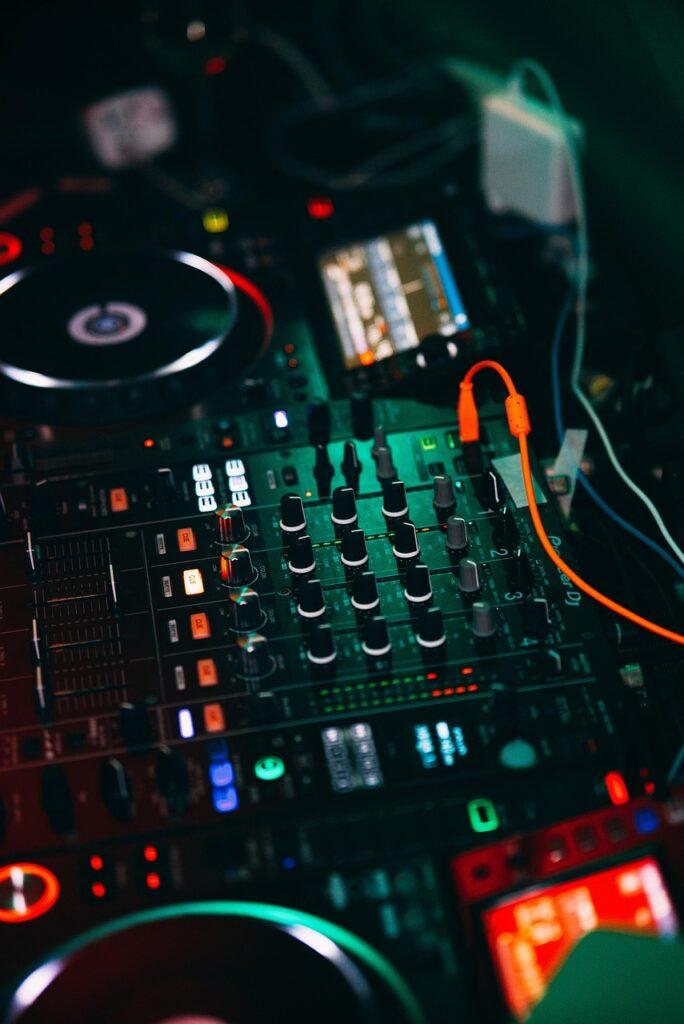
How to Sound Like a Pro Disc Jockey (DJ) - DJ Controller

How to Sound Like a Pro Disc Jockey (DJ)

Facebook
Pinterest
LinkedIn

Estimated reading time 4 minutes

Table of Contents

Introduction

Do you want to be a disc jockey? Do you need to know how to get a professional sound? The term disc jockey comes from the early days of radio when on air personalities used to play disc-shaped records. However, it’s come to mean a whole lot more. If you want to be a DJ, you’ll need a pro sound, and to get that you’ll need the right gear. Keep reading to learn how to sound like a pro disc jockey.

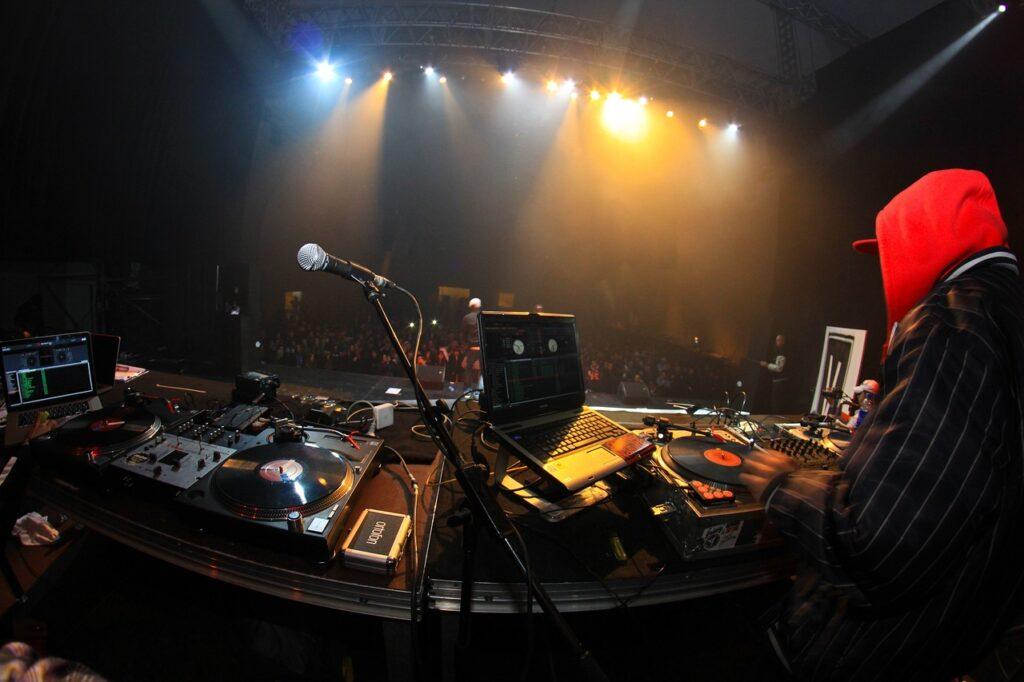
What Exactly Does Beat Mean in Hip Hop - DJ at a Concert

This post contains affiliate links, which means I may receive a small commission from purchases made through the links. I’ll only recommend products I use, use in lessons, or ones my students or colleagues have recommended.

How to Sound Like a Pro Disc Jockey: What Is a DJ?

What’s a Disc Jockey?

  • It can mean many things. For example, the term can apply to radio personalities.
  • It can apply to the people who work nightclub sound boards to create mixes for the club patrons to dance to.
  • Some DJs have equipment that they own and bring to parties, such as weddings. They don’t usually create dance mixes. Instead, they work from playlists.
  • Also, you have people who create hip hop beats that MCs rap over, which basically makes the DJ a collage artist whose medium is sound.
  • All these DJs, except for radio personalities, must understand how to use pro audio gear.
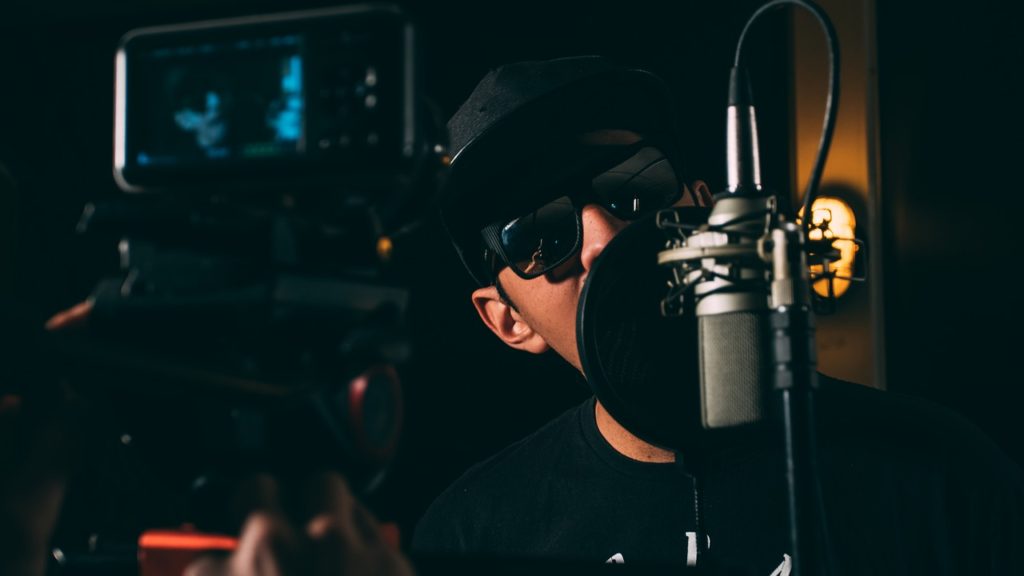
Measuring a Song’s Success - Man Rapping - What Exactly Does Beat Mean in Hip Hop?

How to Sound Like a Pro Disc Jockey: What Gear Do I Need?

What gear you need, or need to be familiar with, depends on the type of DJ you are.

Nightclubs

  • You need to be familiar with how a mixing board works. (This digital audio workstation link leads to a post that gives you the basics of your main mixer controls and how to use them.)
  • You’ll need to know how proper gain staging works and how EQ and compression work. (See the pro audio links below.)
  • Plus, you’ll need pro-quality headphones so you can have seamless beatmatching and cueing.
Headphones

Weddings and Parties

  • Like with nightclubs, you’ll need to understand how your mixer works.
  • However, you’ll need to have your own mixer or DJ software (such as Serato DJ and Rekordbox) and understand how a DJ player works.
  • Also, you’ll need a PA system.

Hip Hop

  • If you create Hip Hop mixes, you’ll need the skills and gear of the first two categories as you’ll often play at clubs and parties.
  • However, you’ll also be creating original mixes that you can record and sell.
  • This means that you need to understand live mixing: where you’ll be doing a mono mix and use little to no reverb. However, you’ll still have to effectively use EQ and compression. You’ll also need to understand how a DJ player and software works.
  • In addition, you’ll need to know how to mix studio tracks, where you’ll now pan instruments and apply reverb. (See the pro audio links below.)
  • For studio mixes a DAW is a must.
Digital audio workstation

This post specifically focuses on how to create hip hop beats.

These posts will give you tips on how to effectively use pro audio gear.

Mobile users: for best results viewing the videos, rotate your screen 90o to the right.

Video: Using Pro Tools (DAW)
Video: How to Create Hip Hop Beats with Drum Loops and Samples

How to Sound Like a Pro Disc Jockey: Your Auditory Health

DJs at night clubs and parties often have the volume cranked up.

  • In fact, it’s not uncommon to have the sound hit 110 to 120 decibels.
  • Volumes ranging from 90 to 110 dB are dangerous if you’re exposed to it for longer than 30 minutes.
  • 120 dB is immediately damaging.

To protect your (and your audience’s) hearing health, keep the volume around 70 dB.

For more information:

Recommended reading

How to Mix Using a Digital Audio Workstation (DAW) - DAW Recording Studio

Final Thoughts

Takeaway points:

  1. You need to know what type of DJ you want to be so you can know what kind of gear you need to have.
  2. Make sure all your gear is pro quality.
  3. Learn how to use your gear for the best possible sound. The links to the pro audio posts will help.

Have fun!

How to Write Quartertone Music that Sounds Amazing - Keyboard Player

How to Write Quartertone Music that Sounds Amazing

Are you frustrated that you can’t make your quartertone music sound good? It’s notoriously hard to write music for this scale. Keep reading “How to Write Quartertone Music that Sounds Amazing” to learn how to make it work. Estimated reading time 4 minutes.

Read More
Shatter the Perfectionism Chains in Music Lessons - Blue Abstract Sheet Music

Shatter the Perfectionism Chains in Music Lessons

Are you a music teacher? Do you have a student who struggles with obsessive perfectionism? While having a high standard is a good thing, obsessive perfectionism can be debilitating. Keep reading to learn how to shatter the perfectionism chains in music lessons. Estimated reading time 3 minutes.

Read More


How to Color Code Music to Optimize the Steady Beat - Drummer Figurine

How to Color Code Music to Optimize the Steady Beat

Do you have a student who has a problem keeping the steady beat? Does your child struggle with rhythmic concepts? Color coding combined with physicalizing the beat makes for a powerful teaching aid. Keep reading “How to Color Code Music to Optimize the Steady Beat” to learn how it works. Estimated reading time 2 minutes.

Read More
Color Coded Eighth Note Clapping - Clapping Hands Cartoon - Color Code Rhythm - I’m Having a Hard Time Keeping a Steady Beat - Singing Rhythm - How to Color Code Music to Optimize the Steady Beat - The 5 Best Effortlessly Easy Metronome Practice Tips - How to Teach Music Students with Dyscalculia

Color Coded Eighth Note Clapping

Does reading eighth note rhythm notation give you fits? (Or do your students struggle with eighth notes?) Many musicians have trouble reading rhythm, especially ADD, ASD, LD, and special needs students. Read more to learn color coded eighth note clapping. Estimated reading time 3 minutes.

Read More