Success Music Studio

How to Use Kinesthetic Learning in Music Lessons - Music Students

How to Use Kinesthetic Learning in Music Lessons

Facebook
Pinterest
LinkedIn

Estimated reading time 3 minutes

Table of Contents

Introduction

Do you need to know what kinesthetic learning is? Do you want to be able to integrate it into your music lessons? Kinesthetic learning uses physical activity to improve the learning experience. When done right, it’ll make your lessons more fun, engaging, and effective. Keep reading to learn how to use kinesthetic learning in music lessons.

Color Coded Quarter Rest Clapping - Clapping Hands - BPM (Using the Metronome to Get the Music Beat)

This post contains affiliate links, which means I may receive a small commission from purchases made through the links. I’ll only recommend products I use, use in lessons, or ones my students or colleagues have recommended.

How to Use Kinesthetic Learning in Music Lessons: Who Does It Benefit?

Who is a kinesthetic learner?

  • Kinesthetic learners will learn better when they can handle objects that show them what you’re trying to teach them.
  • They’ll excel when you teach using hands-on activities, especially when using manipulatives.
  • Also, it helps students retain information when you demonstrate the information in terms of real-world applications in a scripted, story-like fashion.

How does this help my students to learn?

  • This helps keep your kinesthetic learners engaged and on task.
  • When you teach to your students’ strengths, they’ll have better focus and attention.
  • Since kinesthetic learning is inherently physical, it’ll also aid with the gross and fine motor skills that are so important in instrumental lessons.
Prodigy Meaning (Examples of Special Talent in Music) [Video] - Children Playing Music - Sing the Charming Song London Bridge Is Falling Down

How to Use Kinesthetic Learning in Music Lessons: How Does It Work?

Here are some kinesthetic teaching tips.

Keep Things Active

  1. Do hand jives.
  2. Dance to music, which is an important steady beat precursor.
  3. Sing songs that have hand motions.
  4. Incorporate games that have movement.
  5. Have students count and point at the notes.
  6. Have your student echo back your melodies and rhythms.
  7. Use a pointer to help rhythmically guide your student’s eyes across the page.

Use Musical Manipulatives

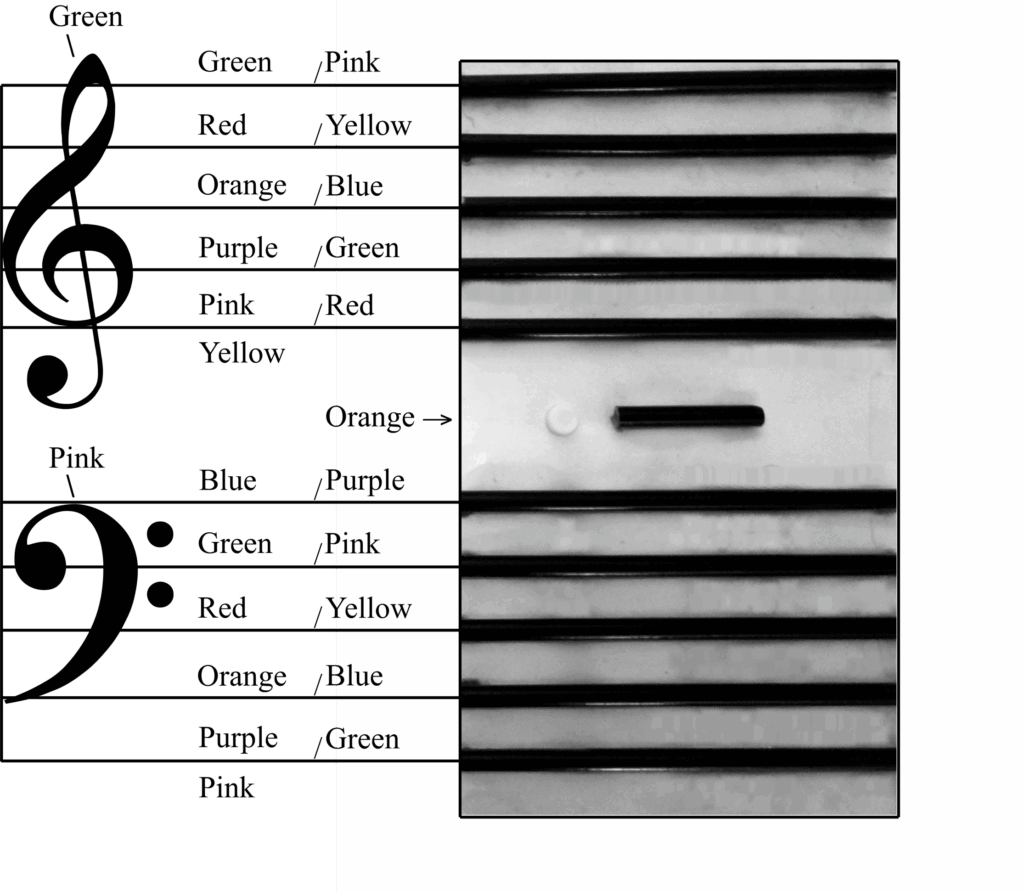
  1. The grand staff below has raised lines that students can feel, placing the plastic note on the lines and in the spaces. Notice that this grand staff incorporates color coding.
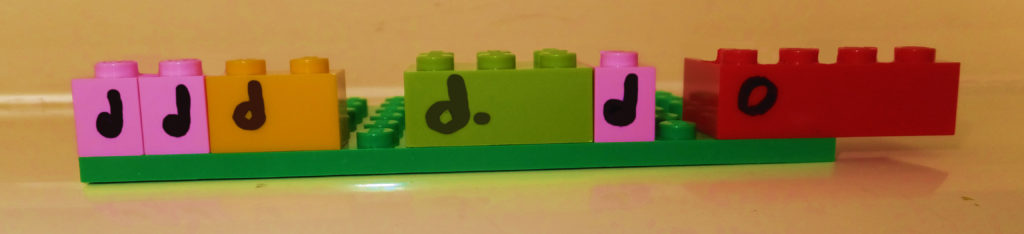
  2. With Lego rhythm manipulatives students count the number of studs to physically experience the number of beats in a note. After that, you can count and clap the Lego’s rhythms. To make Lego rhythm manipulatives, all you need are Legos and a Sharpie pen.
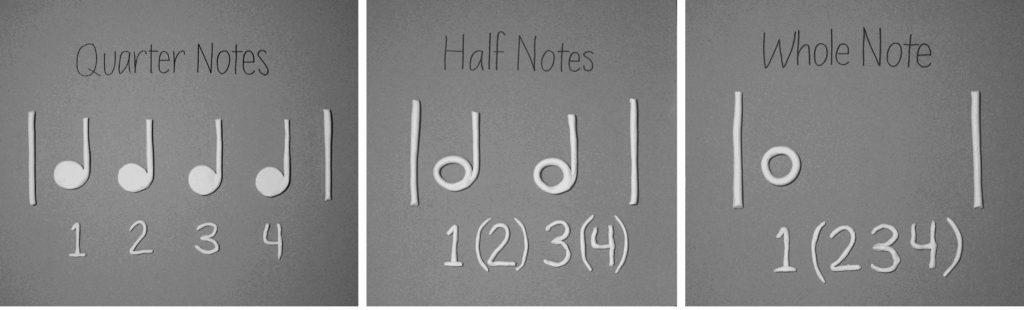
  3. The note blocks allow students to physically experience the difference in appearance between quarter notes (filled in note heads), half notes (hollow note heads), and whole notes (no stems). Once you’ve defined the shape of the notes and named them, you can talk about how many beats each note gets (see Lego rhythm manipulatives).

Mobile users: for best results reading the examples, rotate your screen 90o to the right.

Raised Grand Staff
Lego Rhythm Manipulatives
Lego Rhythm Manipulatives - Lego - Rhythmic Example 3

For more information:

Note Block Manipulatives
How to Use Kinesthetic Learning in Music Lessons - Note Blocks

How to Use Kinesthetic Learning in Music Lessons: Include Hands-On Activities

How do you include hands-on work in lessons?
  • This can be as simple as doing hands-on, or even hand-over-hand, instruction during instrumental lessons.
  • Or it can be an opportunity to explore unfamiliar instruments.
  • Electronic keyboards are excellent because they have so many sounds to play with. This fosters improvisatory creativity.
  • On string instruments, you can explore string length, string tension, and string mass, and how they affect pitch.
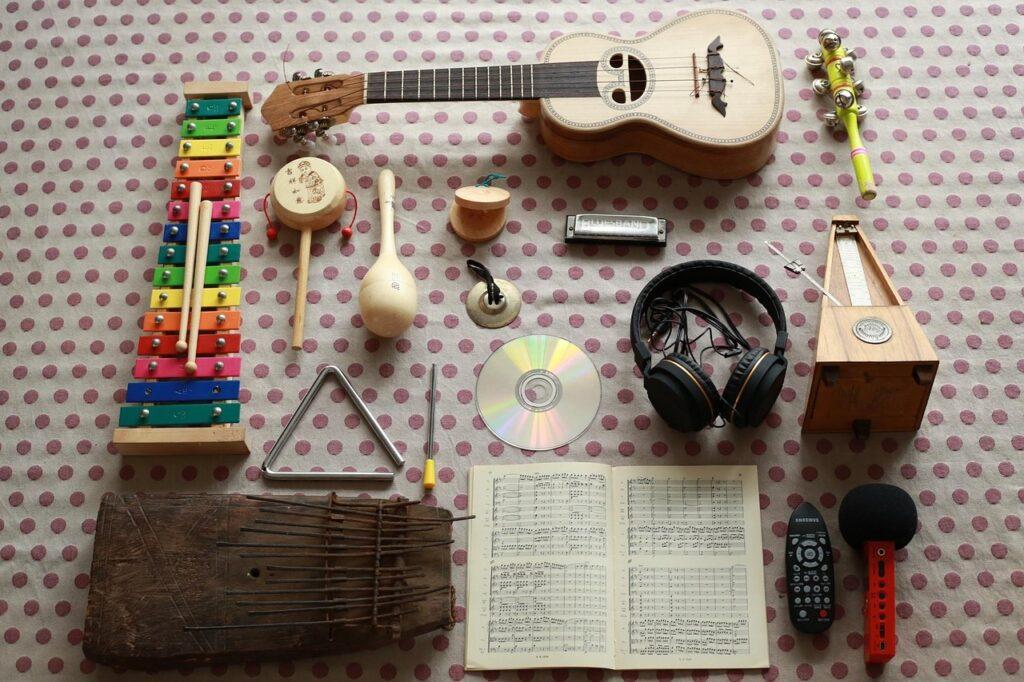
  • Alternatively, you can have students physically explore different hand percussion instruments, or you can have students discover “found” instruments within the room.

Boomwhackers are the quintessential hands-on instrument. This book even incorporates color coded notes:

Long before it became trendy to have differentiated learning in the music classroom, Carl Orff was already teaching through “knowing” and “doing”.
How to Set Up a Music Teacher’s Percussion Bag - Xylophone, Triangle, Maraca, Castanet, Finger Cymbal, Jingle Stick

Final Thoughts

Takeaway points:

  1. Kinesthetic learners will learn better when they can handle objects that show them what you’re trying to teach them.
  2. Make sure you have plenty of active games, songs, and dances on hand.
  3. Manipulatives work great. When creating manipulatives, try to think about how you can make what you’re trying to teach into a physical activity.

Have fun teaching!

Ear Training Exercises for Harmonizing - Woman Singing

Ear Training Exercises for Harmonizing in Tune

Want to be able to sing like your favorite vocal group? Today we will get to the heart of our ear training exercises. Singing with the sing-along sound tracks fosters a cappella level vocal tuning. Also, the post talks about vocal air flow. Estimated reading time 3 minutes.

Read More

Sing in Tune Like a Rock Star - rock band on stage.jpg

Sing in Tune Like a Rock Star

How do rock and pop vocalists sing differently from your average joe singers? There must be something different they do, otherwise fans wouldn’t pay millions of dollars to buy their merchandise. Read more to learn how to sing in tune like a rock star. Estimated reading time 4 minutes.

Read More
Singing Rhythm Syllables in 12-8 Time - Heart and Flower on Sheet Music - What Do People Mean by the Term Interpretation in Classical Music

Singing Rhythm Syllables in 12-8 Time

Does 12-8 time signature make your eyes cross? Confused about how rhythm syllables work in compound meters? The sing-along soundtrack below will help! Read more to learn about singing rhythm syllables in 12-8 time. Estimated reading time 3 minutes.

Read More