
Success Music Studio

What Does Decibel Mean (In Less than 3 Minutes) - Audio Meter

What Does Decibel Mean? (In Less than 3 Minutes)

Facebook
Twitter

Estimated reading time 2 minutes

Table of Contents

Introduction

Do you need to know what the word decibel (dB) means? Do you want a decibel chart so that you can know what noise levels are safe? Decibels are used in sound recording, radio, and live concert reinforcement. Keep reading What Does Decibel Mean? (In Less than 3 Minutes) to learn what it is and how it works.

Singing 7th Chords in Tune - Recording Studio - Please Explain Vowel Modification to Me Like I'm a 5 Year Old

What Does Decibel Mean: What Is It?

Decibels measure the sound pressure level:

  • In other words, it’s a scale that measures how loud things are.
  • Since it’s logarithmic, the scale gets exponentially louder the bigger the numbers get. However, this works because our ears hear things logarithmically (not just for loudness, but also for pitch).
  • For example, if you increase your volume by 10 dB, you’ll have increased the power by 10 times. However, it will only sound around twice as loud to your ears.
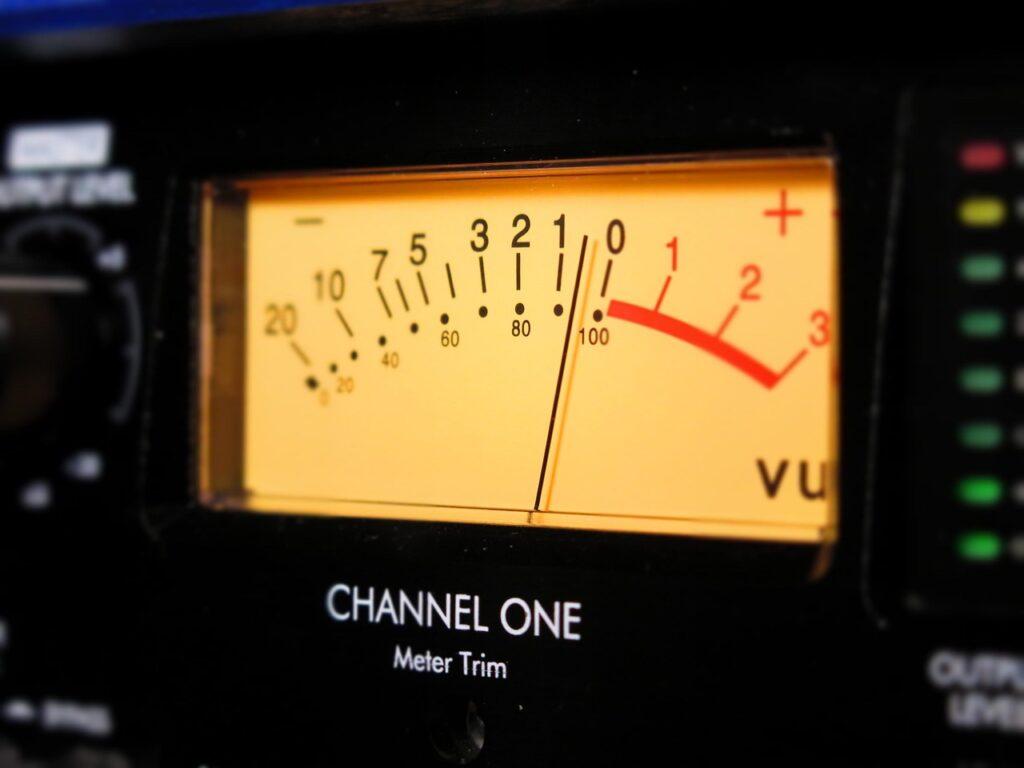
What Does Decibel Mean (In Less than 3 Minutes) - Decibel Meter (Cropped)

What Does Decibel Mean: How Loud Is It? (Decibel Chart)

Decibel charts usually compare dB levels to familiar sounds to give people reference points.

  • 0 dB is the threshold of your ability to hear things. Below this is silence.
  • Your typical conversation is about 60 dB.
  • A jet plane is about 120 dB, which is why workers on a runway need to wear ear protection.

Decibel Chart

  • 0 = Silence
  • 10 = Rustling leaves
  • 20 = Ticking watch
  • 30 = A whisper
  • 40 = Light rain
  • 50 = Medium rain
  • 60 = Air conditioner
  • 70 = Washing machine
  • 80 = Alarm clock
  • 90 = Hair dryer
  • 100 = Lawn mower
  • 110 = Night club
  • 120 = Concert

Because the noise level at nightclubs and concerts is so high, musicians and audience members need to wear hearing protection when attending these events!

Video: Using a dB Meter to Calibrate Your Home Theatre

What Does Decibel Mean: What Are Safe Levels?

What are safe noise levels?

  • This is important information for everyone, but especially for musicians who are exposed to loud sounds on a regular basis.
  • 70 dB and below are safe sound pressure levels.
  • Above this level it can possibly damage your hearing, depending on how long you’re exposed to the noise.

What are the loudness ranges?

  • 40 dB and below are quiet sounds.
  • 50 to 70 are medium loud noises.
  • 70 to 90 are loud sounds.
  • Noise in the 90 to 110 range will be dangerous for periods longer than 30 minutes.
  • 120 and above are painful and instantly damaging.

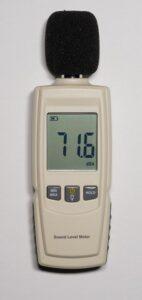
Links to SPL (sound pressure level) meters:

Final Thoughts

Takeaway points:

  1. Decibels measure the sound pressure level.
  2. A noise that is increased by 10 dB will sound around twice as loud to your ears.
  3. Decibel charts usually compare dB to familiar sounds to give people reference points.
  4. 70 dB and below are safe sound pressure levels.
  5. Because the noise level at nightclubs and concerts is so high, musicians and audience members need to wear hearing protection when attending these events!

Related Posts

© 2025 Geoffrey Keith

singing rhythm syllables in 3/4 time - woman singing.jpg

Singing Rhythm Syllables in 3-4 Time

Have you gotten the hang of reading rhythm in 4-4 time and want to get a handle on 3-4 time too? 3-4 has a much different feel than 4-4 and expands the types of music you can perform. Read more to learn about singing rhythm syllables in 3-4 time. Estimated reading time 3 minutes.

Read More
Why Doesnt My Hands-Separate Piano Practice Help with Hands-Together Playing - Grand Piano - Help Me! How Do I Improve My Touch on Piano?

Why Doesn’t My Hands-Separate Piano Practice Help with Hands-Together Playing?

Do you get frustrated when your hands-separate playing doesn’t seem to help with playing piano with both hands? Find out what determines how hard it’ll be to play with both hands and what you can do about it. Click to answer the question, “Why doesn’t my hands-separate piano practice help with hands-together playing?” Estimated reading time 4 minutes.

Read More

Why is Classical Music Interpreted Differently from Pop Music - Ludwig van Beethoven Bust - Beethoven (Why Did He Keep Composing After Deafness) - Singing Beethoven’s Beautiful Ode to Joy - Learn How to Play Beethoven’s Beautiful Fur Elise

Learn How to Play Beethoven’s Beautiful Fur Elise

Do you want to play Fur Elise? Do you need help with fingering? If you’re going to learn any classical piano piece, this is the one. It’s a crowd pleaser that’s a lot of fun to play. Click to learn how to play Beethoven’s beautiful Fur Elise. Estimated reading time 5 minutes.

Read More
supplemented equal temperament minor keys - two curved keyboards.jpg

How Supplemented Equal Temperament Minor Keys Work

Frustrated with your out of tune synth chords? Do you want your brass, woodwind, and string programs to sound better? It’s not only the program you select which controls how your synth sounds, the tuning has an impact as well. I created Supplemented Equal Temperament (SET) to produce chords that sound better in tune than equal temperament (the piano’s tuning). Read more to learn how SET minor keys work. Estimated reading time 5 minutes.

Read More