

Success Music Studio

1 in 5 students have a learning disability

How to Become a Good Music Teacher

Facebook
Pinterest
LinkedIn

Estimated reading time 3 minutes

Table of Contents

Introduction

Do you want to be a good music teacher? It’s more than just being patient or being a good role model. There are five skills that make a good music teacher. Keep reading How to Become a Good Music Teacher to learn what the skills are.

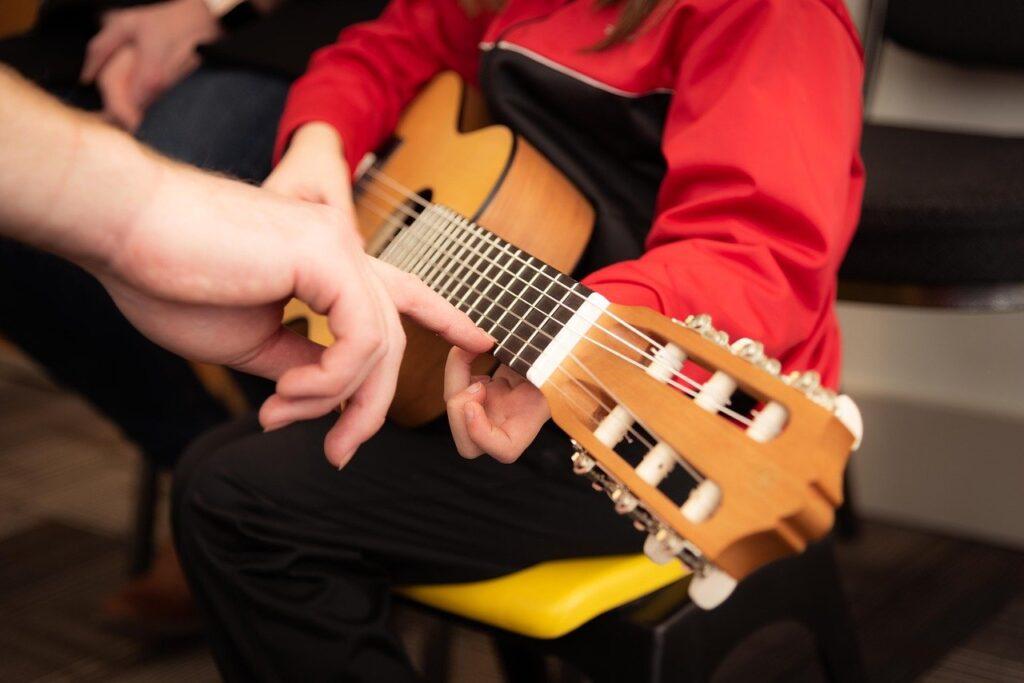
Can I Become a Music Teacher if I Have Special Needs - Teacher Teaching Young Guitar Student - What’s the Best Lesson You’ve Had with Your Music Teacher? - What Is the Precise Meaning of Scaffolding in Teaching - Meet Special Needs Music Expert Geoff Keith at Lexsepta 2025 - What’s Pervasive Developmental Disorder and Its Impact on Music?

This post contains affiliate links, which means I may receive a small commission from purchases made through the links. I’ll only recommend products I use, use in lessons, or ones my students or colleagues have recommended.

How to Become a Good Music Teacher: Know Your Stuff

What makes a good, or even great, teacher? UCLA professor Ron Gallimore states:

Great teachers focus on what the student is saying or doing… and are able, by being so focused and by their deep knowledge of the subject matter, to see and recognize the… student who’s reaching toward mastery and then connect to them with a targeted message. (qtd in The Talent Code 177)

Experience is a key factor.

  • You must know your subject inside out, so you can teach the material in many different ways.
  • In other words, learn your stuff so well that you can approach a music topic from many different angles, which is important for teaching the countless types of learners that you’ll encounter.
  • In fact, some of the greatest teachers are in their 60s and 70s, because they’ve spent their lives learning about the subject they love and how to teach it.

However, it’s entirely possible to become a good teacher before you become a senior citizen. Keep reading to find out how.

Ways Around the Difficulty of Playing the Piano Due to Short Fingers and Small Hands - Boy Playing Piano - What’s the Best Lesson You’ve Had with Your Music Teacher - How Do Musicians Find Enough Time to Practice Their Instruments - Is the Suzuki Music Methodology Bad for Learning Piano - Meet Special Needs Music Expert Geoff Keith at Lexsepta 2025

How to Become a Good Music Teacher: Keep Your Eyes Open

You must be observant.

  • Watch your students and teach them what they need in the moment, giving them the information that will help them accurately execute the actions required by the music.
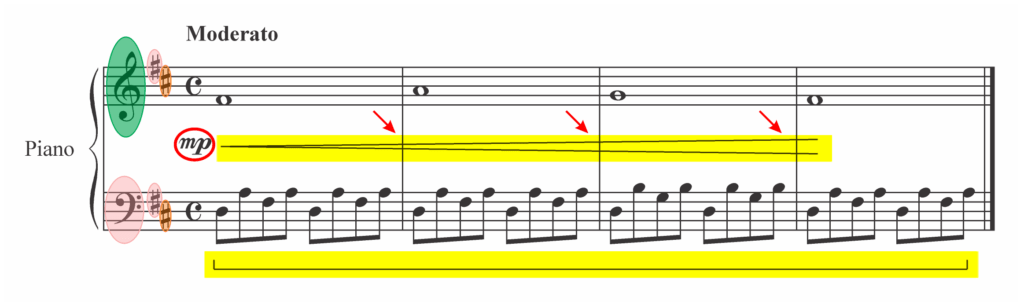
  • For example, if a student peaks too soon or too late on a crescendo, mark points in the score where the music should get louder.
  • Then, model the teaching point by playing it on the instrument.

Push your students as hard as you can without pushing them over the edge. You can push some students harder than others, while others still can’t be pushed at all.

Mobile users: for best results reading the music, rotate your screen 90o to the right.

How to Color the Music Score to Successfully Focus Special Needs and LD Students on Features of the Sheet Music - example of applying highlighter to pedal and dyanimcs - What Purpose Do Accidentals Serve in Reading Sheet Music

A lot of teaching is trial and error.

  • Why? Because each student is different.
  • Therefore, if one teaching strategy doesn’t stick, then switch to the next, and the next, and the next until you find the one that works for your student.
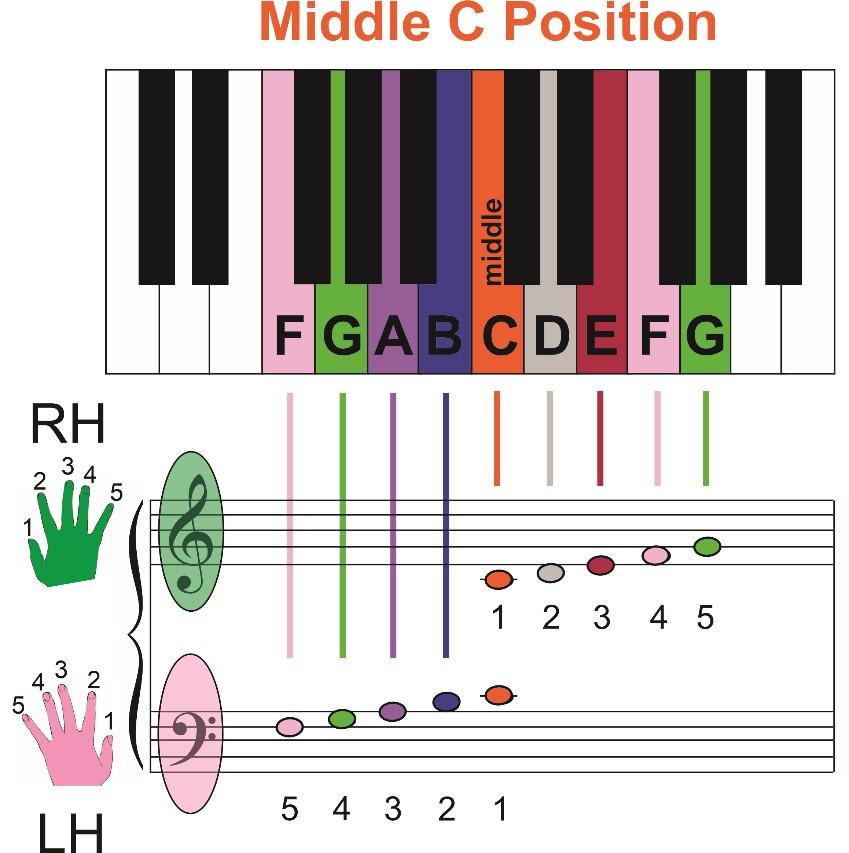
  • For example, if a piano student has problems reading notes using clef mnemonics, try talking about how the grand staff is like a big 11-line staff, or color code the music, or use contour lines.

In a classroom, where you have multiple students, this will take the form of differentiated learning. This allows you to both teach and assess from multiple angles.

12 Easy Piano Songs for Young Beginners - Middle C Position - How to Play Piano (Kid’s Color Coded Piano Hand Placement)

How to Become a Good Music Teacher: Be Honest and Entertaining

Teachers are conveyors of truth.

  • All the information you’re teaching, to the best of your ability, must be accurate and true.
  • However, if you’re critiquing a student, saying the truth doesn’t mean you have to be harsh.
  • You should always strive to build up your student, but not at the expense of sacrificing an honest assessment of what skills the student needs to work on.

For example, you can use phrases like “we need to work on [technique]…” or “let’s tighten it up…”

There’s nothing worse than a boring teacher

  • You must teach in a way that captures the attention of your students.
  • You can crack jokes and tell entertaining stories.
  • Also, you should use pictures, charts, and graphics because a week later your students will remember 10% of what you said, but 60% of the graphics you used.
  • You must vary the tone of your voice and the speed of your delivery.
  • If you teach using a monotone voice, you’ll put your students to sleep.
The following links will show you music lesson software that can help you prepare music training exercises as well as help you keep organized.
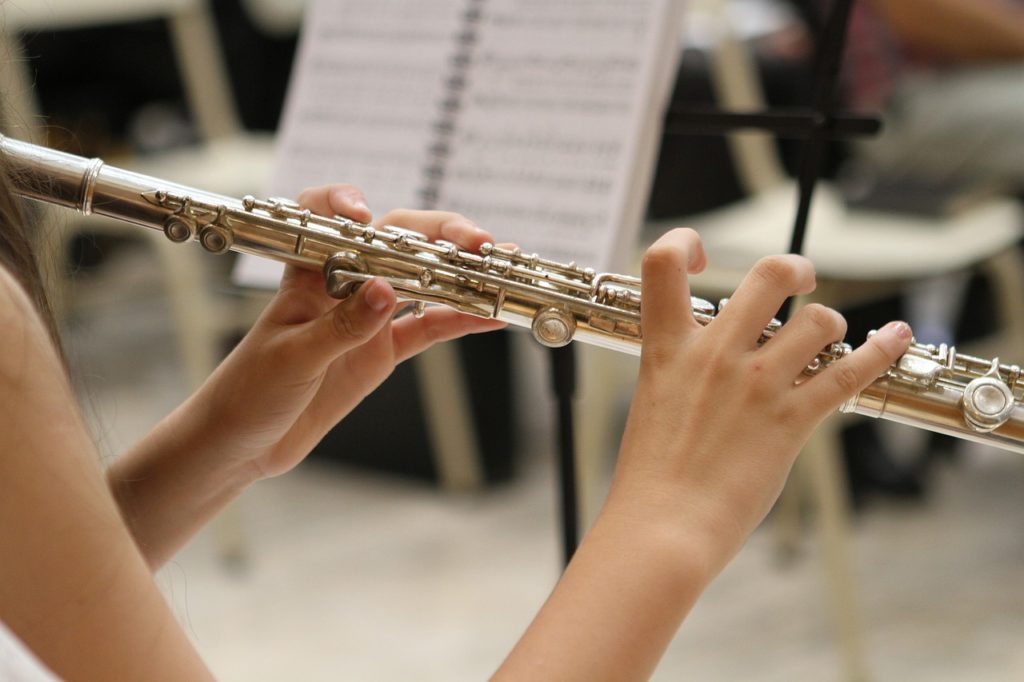
How to Graduate from the Color Coded Sheet Music - Part II - Girl Playing Flute - after they can sight-read what’s left for musicians to learn - What Does it Mean for Me to Interpret a Piece of Music - Music Therapy vs Music Lessons - BPM (Using the Metronome to Get the Music Beat) - What Does Intonation Mean and Why Is It Essential in Music

Final Thoughts

Takeaway points:

  1. If one teaching strategy doesn’t stick, then switch to the next, and the next, and the next until you find the one that works for your student.
  2. Use pictures, charts, and graphics because a week later your students will remember 10% of what you said, but 60% of the graphics you used.
  3. Model the teaching point by playing it on the instrument.

Have fun teaching!

How to Inject the Power of Distortion into Music - Pro Audio Gear

How to Inject the Power of Distortion into Music

Do you want to know what distortion is? Do you need to know how it’s used in music. The most obvious use of distortion is as an effect for guitar. However, there’s another, and more subtle, use when you’re recording music. Click “How to Inject the Power of Distortion into Music” to learn what it is and how it works. Estimated reading time 4 minutes.

Read More
How to Explain an Octave to an Absolute Beginner Musician - Man Playing Piano

How to Explain an Octave to an Absolute Beginner Musician

Are you confused about what an octave is? Or are you a music teacher with a student that doesn’t understand how they work? Octaves are one of the most fundamental music theory concepts. When teaching music students, it helps to demonstrate them on a keyboard instrument, so I’ve created a keyboard diagram you can reference. Keep reading “How to Explain an Octave to an Absolute Beginner Musician?” to dive into the theory. Estimated reading time 2 minutes.

Read More
Enjoy the Bold Song Battle Hymn of the Republic - Union Soldier

Enjoy the Bold Song: Battle Hymn of the Republic

Do you want to enjoy the bold song “Battle Hymn of the Republic?” In this article, you’ll get three essentials: 1) a video of the song, 2) the complete words to the song, and 3) free easy-to-read lead sheet style sheet music using shape notes, including a sing along soundtrack. Keep reading to learn more. Estimated reading time 2 minutes.

Read More
How Common are Mistakes While Practicing and Playing Guitar: Smokey Guitar - 10 Amazing Elite Virtuoso Guitarists

How Common are Mistakes While Practicing and Playing Guitar?

Do you worry about making mistakes when you perform? Do you want to be able to fix errors quickly during your practice time? Everyone slips up, at least occasionally. Don’t worry about it. Errors have an important role to play in the process of learning. Click to answer the question, “How common are mistakes while practicing and playing guitar?” Estimated reading time 3 minutes.

Read More