


Success Music Studio

How to Inject the Power of Distortion into Music - Pro Audio Gear

How to Inject the Power of Distortion into Music

Facebook
Pinterest
LinkedIn

Estimated reading time 4 minutes

Table of Contents

Introduction

Do you want to know what distortion is? Do you need to know how it’s used in music? The most obvious use of distortion is as an effect for guitar. However, there’s another, and more subtle, use when you’re recording music. Keep reading How to Inject the Power of Distortion into Music to learn what it is and how it works.

This article uses musical terms. For definitions, see the Glossary at the end of the post.

A How to Guide for Incredibly Cool Guitar Distortion - Effects Unit - Hot Tube Amps Versus Cool Recording Studio Modelers

This post contains affiliate links, which means I may receive a small commission from purchases made through the links. I’ll only recommend products I use, use in lessons, or ones my students or colleagues have recommended.

How to Inject the Power of Distortion into Music: What Is It?

What is distortion?

  • It happens when an audio signal exceeds the headroom of a device which then causes clipping which creates a fuzz sound.
  • Distortion can range from mild (e.g., as used with pro audio gear) to extreme (e.g., guitar stomp boxes).

What’re the different types of distortion?

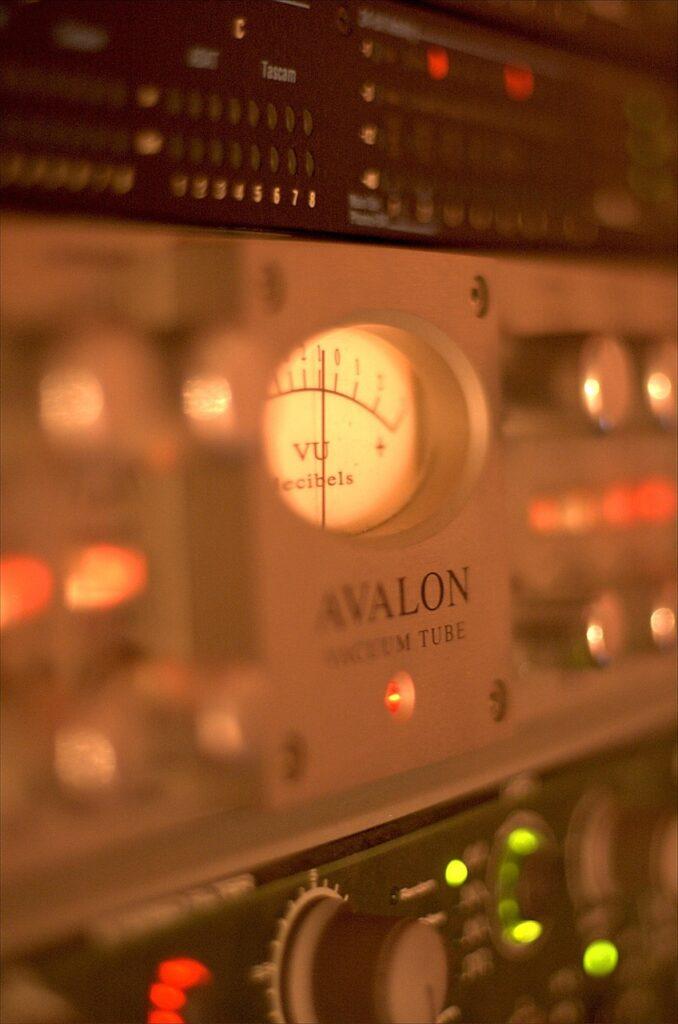
  • Tube distortion: This type of clipping produces a warm, musical sound that emphasizes the odd number harmonic overtones. Recording gear in the 1960s all had tubes.
  • Transistor distortion: This type of clipping sounds harsh because it emphasizes the even number harmonic overtones.
  • Digital clipping: When you exceed the headroom on a digital recorder, the signal inverts so that it creates unnatural sounding artifacts and so should be avoided. It should not be confused with the digital guitar distortion effect you get with amp modeling.
What Does Decibel Mean (In Less than 3 Minutes) - Audio Meter

How to Inject the Power of Distortion into Music: How Do I Use it with Guitar?

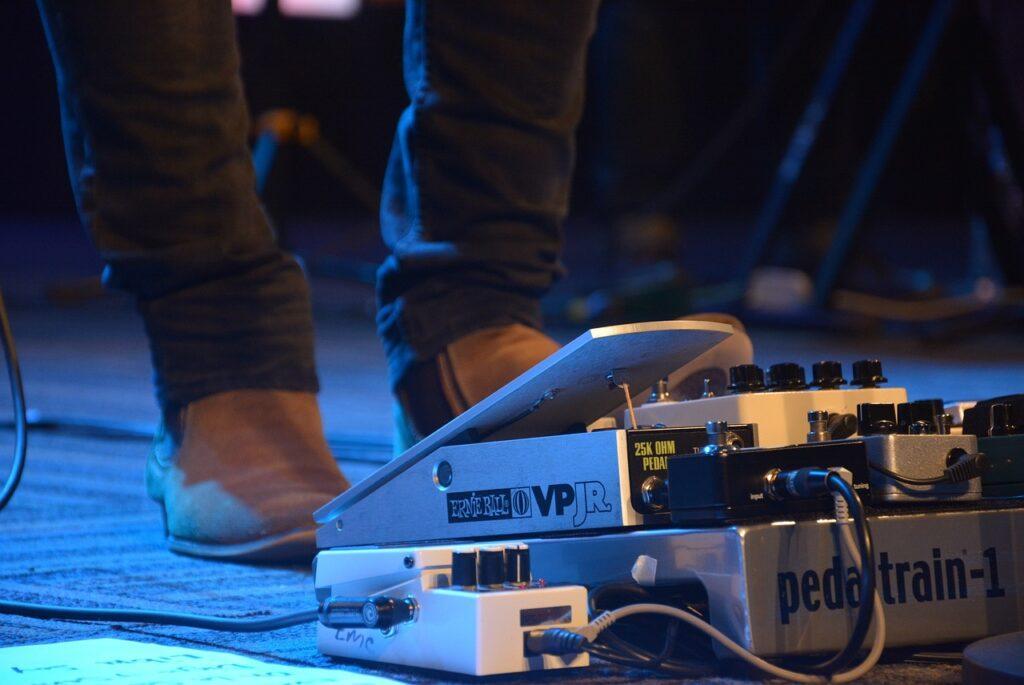
There’s a range of distortions you can get from guitar stomp box pedals.

  • For example, blues music has mild clipping, which sounds like the amp is just turned up too loud.
  • Conversely, heavy metal has a heavy, crunchy sound that is an integral part of the identity of the genre.
  • Most rock guitar styles will be something in between, which is why you have a wide variety of guitar fuzz pedals.

Having said that, there are many styles that use a clean guitar sound.

For more information on how to get a good guitar sound

How Do Guitar Harmonics Work - Intonation and Supplemented Equal Temperament - Guitarist - Tips for How to Stay Calm and Cool Before a Concert - How Many of You Want to Know How to Tune with Guitar Harmonics

How to Inject the Power of Distortion into Music: How Do I Use it in Recording?

Each type of technology has its upside.

  • The big advantage of tubes is that they produce warm and musical clipping.
  • The big advantage of transistors (i.e., solid state semiconductors used to amplify a signal) is that they produce a clean, clear sound.
  • The big advantage to digital recording is that it’s very flexible, allowing you to transform the sound in useful ways.

Likewise, each type of technology has its downside.

  • The big disadvantage of tubes is that they run hot and are heavy.
  • The big disadvantage of transistors is that they produce harsh clipping.
  • The big disadvantage of digital recording is that it can sound cold and clinical.

The secret is to mix technologies.

  • For example, at a live performance, you can use tube preamps running into a digital mixing board going to solid state power amps.
  • The preamps add warmth to the other two technologies by adding just a little distortion while the solid state amps avoid unwanted clipping.
  • However, if you get a noticeable fuzz sound, you’re running your preamps too hot.
  • Likewise, you can inject distortion into the mix by using tube preamps when recording instruments using a digital audio workstation (DAW).
  • Also, tubes are used in a lot of other pro audio gear: compressors, EQ, mixers, mics, vocal processors, and channel strips.

Normally, you’ll avoid noticeable distortion when recording most instruments.

  • You’ll do this by using limiters and compressors to control the volume of the audio signal.
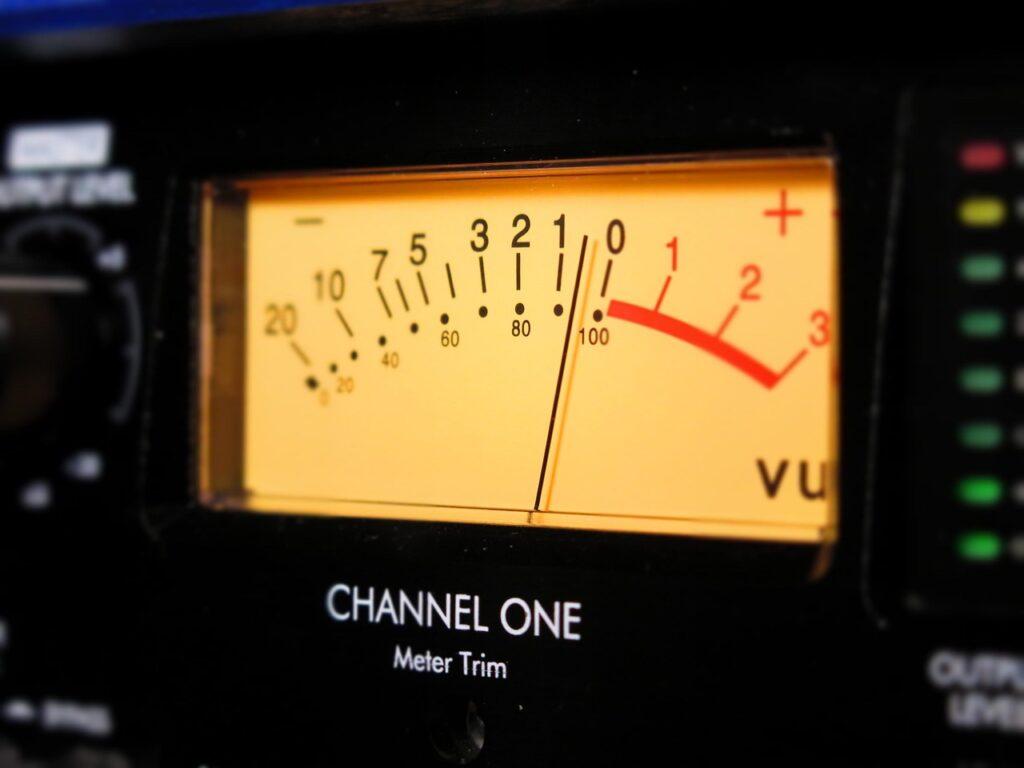
  • Also, you’ll need to keep your eyes on the level meters and attenuate the signal when necessary.
  • Especially when recording onto a digital recording device, it’s a good idea to set a hard limiter to avoid digital clipping.

Mobile users: for best results viewing the video, rotate your screen 90o to the right.

Video: What Is Distortion?

Here Is Some Popular Music Gear.

Guitar distortion “stomp box” pedals

Pro audio equipment

Final Thoughts

Takeaway points:

  1. Distortion is when an audio signal exceeds the headroom of a device which causes clipping, creating a fuzz sound.
  2. It can range from mild (e.g., pro audio gear) to extreme (e.g., guitar stomp boxes).
  3. You can inject it into the mix by using tube preamps when recording instruments using a digital audio workstation.
  4. The preamps add warmth to transistor and digital technologies by adding just a little distortion while the solid state amps avoid unwanted clipping.
  5. You do this by using limiters and compressors to control the volume of the signal.

Have fun playing and recording!

Glossary

How to Teach Music to Neurodivergent Students - Girl with Guitar

How to Teach Music to Neurodivergent Students

Are you a teacher with neurodiverse students? Do you need suggestions for how to best teach them? Neurodivergent and neurodiverse are non-medical terms that refer to people with non-traditional ways of thinking and learning (e.g., ADHD, ASD, dyslexia, etc.). It attempts to give dignity to individuals by looking at the whole person and avoids looking at them as a problem that needs to be fixed. Having said that, neurodiverse students will often need special teaching methods to have success in music. Keep reading “How to Teach Music to Neurodivergent Students” to learn more. Estimated reading time 4 minutes.

Read More

Singing 7th Chords in Tune - Singer with Piano - prosody in your songwriting

Singing 7th Chords in Tune

Do you have a hard time singing 7th chords in tune? Most vocalists do. Don’t worry, the sing-along song tracks can help! Read more to learn how. Estimated reading time 3 minutes.

Read More
learn rhyme and reason in songwriting - note pad and pencil - Do I Need Talent to Write Music and Compose Lyrics - Alliteration Meaning - Examples of Alliteration in Poetry and Songs

Learn Rhyme and Reason in Songwriting

Tired of writing cliché rhymes in your songs? Want to know more about rhyming? Rhyming in songs seems straightforward. However, a lot more craftsmanship needs to go into it than it seems. “Learn Rhyme and Reason in Songwriting” will start you down the path toward your goal. Estimated reading time 4 minutes.

Read More
How to Write Authentic Jesus Songs - Three Crosses

How to Write Authentic Jesus Songs

Do you love God and want to glorify His name? Do you need help learning how to write songs? Contemporary Christian Music (CCM) is a niche market that takes some specialized songwriting skills. Click to learn how to write authentic Jesus songs. Estimated reading time 3 minutes.

Read More