Success Music Studio

Powerful Popular MIDI (Musical Instrument Digital Interface) - MIDI DAW

Powerful Popular MIDI (Musical Instrument Digital Interface)

Facebook
Twitter

Estimated reading time 2 minutes

Table of Contents

Introduction

Have you heard about MIDI and need to know what it is? Do you want to know how it can help you create music? MIDI is short for Musical Instrument Digital Interface. It’s an industry-wide open-source keyboard design protocol proposed by Sequential Circuits in the 1980s, and it’s still relevant today. Keep reading Powerful Popular MIDI (Musical Instrument Digital Interface) to find out what it is, and what it can do for you.

This article uses musical terms. For definitions, see the Glossary at the end of the post.

Intonation and Supplemented Equal Temperament - Synth - On the Electric Keyboard Can You Play Dynamics - Why Do Just Intonation Keys Have Different Aural Characteristics

What’s Musical Instrument Digital Interface #1: What Is MIDI?

MIDI is used in a wide variety of apps, programs, music gear, and performance related devices:

  • MIDI is unusual because it has stayed relevant for so long. Also, it’s unusual because an otherwise very competitive and proprietary industry put the good of musicians first.
  • How did it do that? MIDI allows all your gear and apps to communicate with each other regardless of what company you bought it from…
  • … and the really stunning thing is that’s it’s entirely backwards compatible. This means that a synth from 1983 will be able to control the sounds from a virtual sound module from 2025. That’s a span of over 40 years!
What Is a Good Instrument for a Dyslexic Child to Learn - Music Store

What’s Musical Instrument Digital Interface #2: Sound Modules and Controllers

MIDI can work with a wide range of devices:

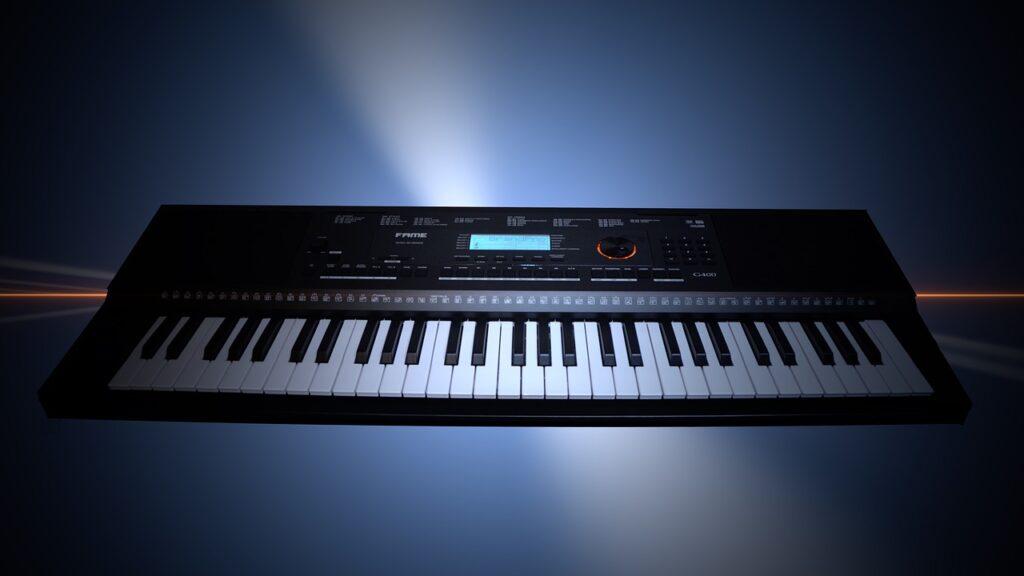
  • Two of the most common are sound modules (which are basically synths without a keyboard) and controllers.
  • How do you play the sounds in a sound module if it has no keyboard?
  • You can do it using a variety of performance controllers.

Performance controllers can include:

  • Keyboard (the most common type)
  • Guitar
  • Violin
  • Wind
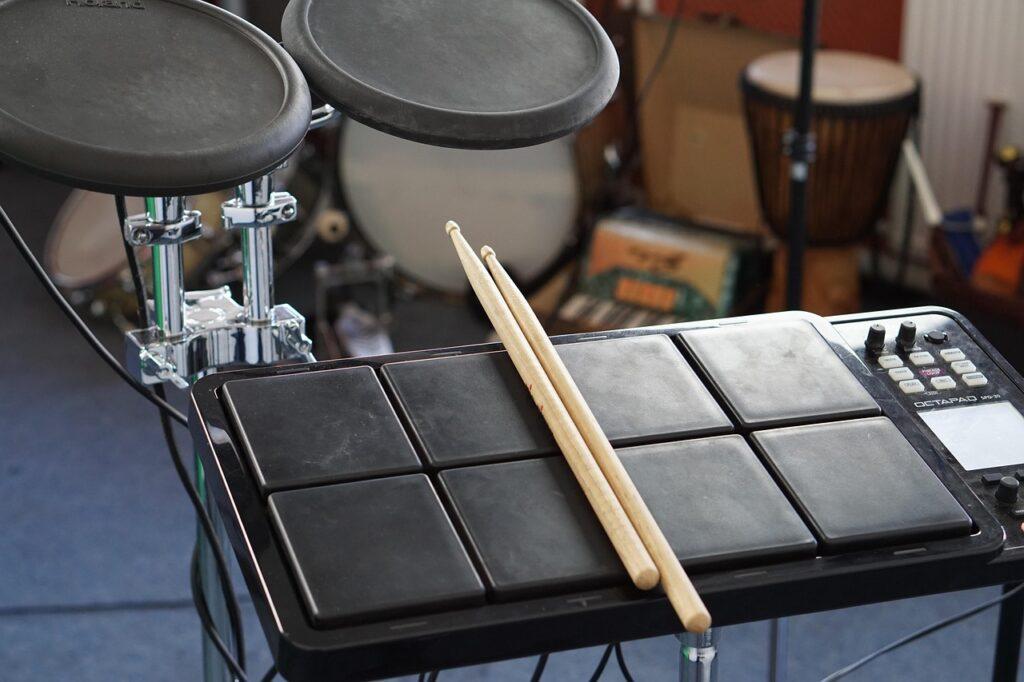
  • Drum pads
  • Touchscreen
Powerful Popular MIDI (Musical Instrument Digital Interface) - Electronic Drum Pad

What’s Musical Instrument Digital Interface #3: Sequencing and DAWs

Also, MIDI works with sequencing software, which is like a recording studio for synthesizers. However, a sequencer doesn’t record sound, instead it records data:

  • What note you played
  • When you played it
  • How hard you hit it
  • How long you held it for
  • What sound you used

It also records aftertouch, pitch bend, and control change messages. Because it records digital information rather than recording sound, it makes editing tracks very flexible.

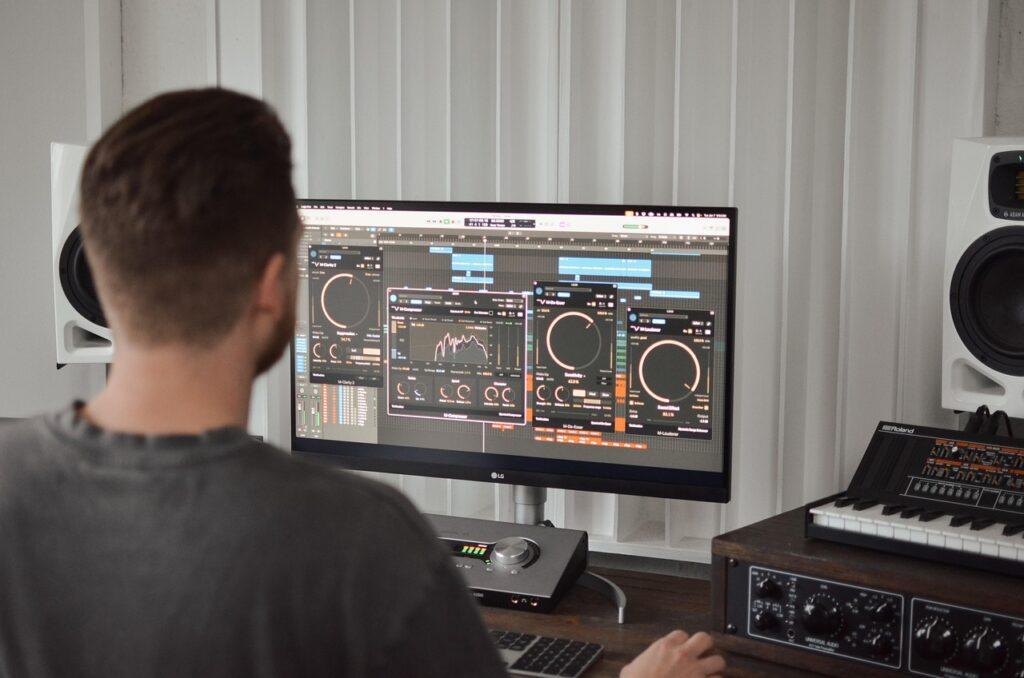
These days, sequencers are typically integrated into digital audio workstation (DAW) software:

  • That way you can record audio and/or create sequences using a wide range of softsynths.
  • Thus, it helps to remove the barriers between you and your creativity.
  • It also helps with the pro-audio side of things, because it can control a soundboard’s automation, such as: faders, pan pots, EQ, sound effects, and a whole lot more.

Another advantage of MIDI is that you can synchronize different devices:

  • For example, at a live concert, you could use MIDI time code to sync up the lightboard, smoke machine, and pyrotechnics.
  • Similarly, in the recording studio, you can sync up live tracks with sequences.
  • You do this by setting up a click track for the vocalists and instrumentalists to help them keep time with each other and with the sequenced parts.

This is especially important when the audio tracks have been recorded in different locations and at different times, allowing for internet collaborations.

Mobile users: for best results viewing the video, rotate your screen 90o to the right.

Video: The Future of MIDI

Final Thoughts

Takeaway points:

  1. MIDI allows your musical gear (controllers, sound modules, programs, and apps) to communicate with each other.
  2. Despite being 40+ years old, it’s still backwards compatible with vintage equipment.
  3. Over the years, it has expanded to include a staggering number of non-keyboard devices, including the ability to sync with video.

Have fun writing!

Related Posts

Glossary

What Precisely Did Bach Mean by Well-Tempered Clavier - Harpsichord

What Precisely Did Bach Mean by Well-Tempered Clavier

Do you like Johann Sebastian Bach’s “Well-Tempered Clavier” (WTC) but wonder what the “well-tempered” in the title means? Bach advocated for the well-temperaments which are circular tuning systems that allow keyboardists to play in any key without restrictions, similar to equal temperament. Thus, WTC was written to showcase well-temperaments. Keep reading “What Precisely Did Bach Mean by Well-Tempered Clavier” to learn how it works. Estimated reading time 4 minutes.

Read More

How Do I Switch from Chromatic Shaped Notes to Standard Notation - Choral Music - Choir Meaning & Examples with Videos, Pictures, & Soundtracks - I'm Confused About These Stupid Vocal Ranges

How Do I Switch from Chromatic Shaped Notes to Standard Notation – Part 3

Do you want to learn how to transition from shape notes to standard notation? Have you ever wondered when you should use the special solfege syllables for sharp and flat notes? Standard notation gives you clues on when to use the diatonic solfege syllables versus the chromatic syllables. Read more to learn the answer to the question, “How do I switch from chromatic shaped notes to standard notation?” Estimated reading time 2 minutes.

Read More
Sing Silent Night with Shape Note Solfege - Sheet Music

The Beautiful Silent Night Carol [Videos]

Do you want to sing Silent Night? In this post, you’ll get the essentials: 1) three videos, 2) the full lyrics, and 3) easy-to-read shape note sheet music with a sing along song track. Keep reading The Beautiful Silent Night Carol [Videos] to learn more. Estimated reading time 3 minutes.

Read More

Learn How To Get A Killer Sound For Your Band - supplemented equal temperament minor keys - synth, guitar, and lead singer - Is Playing the Piano a Suitable Activity for Autistic People

Learn How to Get a Killer Sound for Your Band

Do you want your band to sound better? Have you ever been frustrated that your guitar or keyboard sounds out of tune when you play chords? Learn how to get a killer sound for your band by retuning your keyboards and guitars using Supplemented Equal Temperament. Supplemented Equal Temperament works with equal tempered instruments. It also works with variable pitch instruments such as voices, violins, and winds. Estimated reading time 5 minutes.

Read More