

Success Music Studio

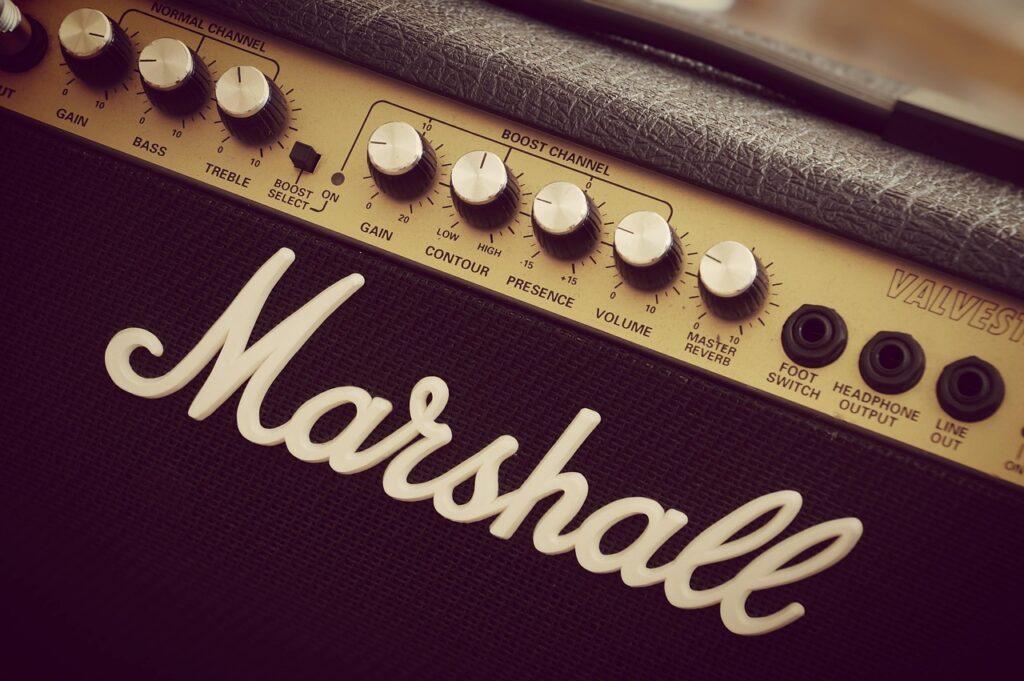
Hot Tube Amps Versus Cool Recording Studio Modelers - Marshall Amp

Hot Tube Amps Versus Cool Recording Studio Modelers

Facebook
Twitter

Estimated reading time 3 minutes

Table of Contents

Introduction

Have you been looking at gear and want to know whether tube amps or amp modelers are the better option for your guitar sound? Tube amps are old school and amp modelers are state of the art. However, each has its own advantages and disadvantages. Keep reading Hot Tube Amps Versus Cool Recording Studio Modelers to learn the benefits of each.

This article uses musical terms. For definitions, see the Glossary at the end of the post.

What Is a Good Instrument for a Dyslexic Child to Learn - Music Store

Tube Amps Versus Studio Modelers: Pro Audio

As I said before, tubes are old school – so much so that hardly any electronic equipment still uses them:

  • In fact, guitar amps and pro audio gear are mostly the items that still use them.
  • Why? Because tubes create a warm natural distortion as opposed to transistors, which have much harsher distortion that emphasizes the even numbered harmonics.
  • However, when semiconductors were invented, they started to supplant the older technology, because they have a very clean sound.
  • Why then does a lot of current pro audio equipment have tubes incorporated into them?
  • When music production started to transition to digital recording musicians felt their tracks lacked warmth.

 It was around that time that tubes started to be built into high end mics, equalizers, compressors, and preamplifiers to help them have a warmer sound.

Singing Lip Vowels - writing well crafted songs - condenser mic with pop screen - Do You Need Help Learning How to Harmonize - Singing Lip Vowels - writing well crafted songs - condenser mic with pop screen - Do You Need Help Learning How to Harmonize - Anyone Can Learn to Sing, Including You

Tube Amps Versus Studio Modelers: Classic Amps

Tube amp distortion is incredibly cool:

  • Guitarists value vacuum tubes for their warm, violin-like sound.
  • When you turn the gain up, the tubes clip, adding even numbered harmonic overtones to your guitar amp output.
  • When you take that distortion and add compression, EQ, and other effects, it creates a powerful sound.

However, it’s not just the sound, but also the sustain that makes tube distortion attractive:

  • Distortion makes it easier to play.
  • The sustain you get with distortion allows you more time to do string bends and vibrato.
  • It also makes hammer-ons, pull-offs, and trills easier to execute.

However, most of the advantages listed above are also present in the modelers, including the fact that you can get decent quality distortion from reasonably priced modelers.

What advantages do tubes have over modelers?

  • With digital effects, you’re sometimes limited in how you can set up your signal path.
  • For example, do you put your compression and EQ before your chorus or vice versa? These decisions will make a difference.
  • With a classic rig, you can experiment with your signal path and find new and exciting sounds.
  • Modelers also quantize your knob control values, so that if you quickly adjust them on the fly, you can get the dreaded “zipper” noise.
  • Plus, there’s the whole coolness factor of vintage stacks. (Such as the classic heavy metal wall of Marshall, Fender, or Mesa/Boogie amps.)

What’s the downside to tubes?

  • They need to be warmed up for optimum sound.
  • They run hot, which is why you don’t want to put your amp at the bottom of your rack in a recording studio. (Also, it’s why they have a relatively short life span.)
  • In addition, they use a lot of electricity, they can have supply issues, and they make your gear really heavy.
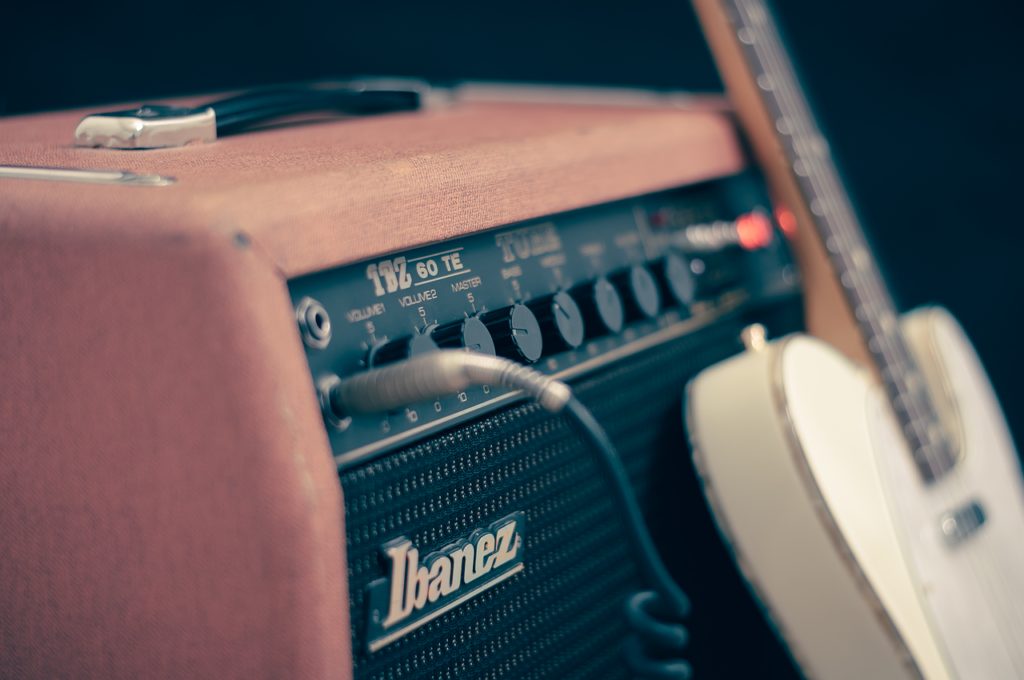
How to Tune the Blues Rock Open D Sound Using Harmonics - Picture of a Telecaster and an Ibanez Amp - A How to Guide for Incredibly Cool Guitar Distortion - Hot Tube Amps Versus Cool Recording Studio Modelers

Tube Amps Versus Studio Modelers: Amp Modelers

Modelers digitally reproduce the sound of different classics amps:

  • This means that you can have a wide range of amp sounds to choose from.
  • They can model amp heads, speaker cabinets, and sound effects.
  • High end modelers can be virtually indistinguishable from their tube counterparts.
  • Also, because the models exist within the digital domain, they make for a compact, lightweight package.
  • This gives them unrivaled ease of use for both live performance and home recording. (In both cases you can directly inject them into the soundboard saving yourself a lot of bulk to cart around.)
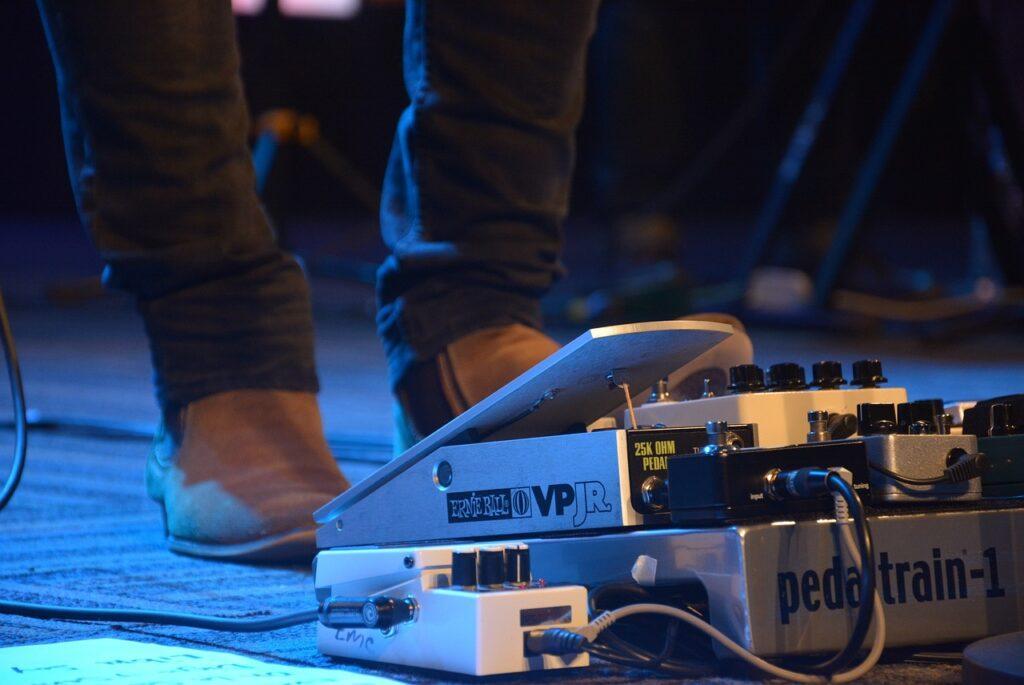
A How to Guide for Incredibly Cool Guitar Distortion - Effects Unit - Hot Tube Amps Versus Cool Recording Studio Modelers

Final Thoughts

Takeaway points:

  1. Modelers offer an unrivaled ease of use for both live performance and home recording.
  2. Even though modeling has gotten better over the years, there’s still a strong market for tube amplifiers.
  3. When all is said and done, it’s a personal choice, so you need to get out there and try different amps and modeler SFX units to see which works best for you.

Have fun playing!

Related Posts

© 2025 Geoffrey Keith

Glossary

singing major and minor harmonies in tune -singer

Singing Major and Minor Harmonies in Tune

Do you find minor harmonies harder to tune than major? Frustrated that you don’t sound as good as other singers? How well you tune impacts how good you sound, including the strength of your vocal tone. Read more to learn about singing major and minor harmonies in tune. Estimated reading time 5 minutes.

Read More


What’re the Basics of an Accompaniment in a Song - Keyboard Player

What’re the Basics of an Accompaniment in a Song?

Do you want to know what a song accompaniment is? Do you want to know the basics for writing them? An accompaniment is an arrangement for the backing instruments that support your song’s principal melody. Keep reading “What’re the Basics of an Accompaniment in a Song?” to learn more about what it is and how it works. Estimated reading time 3 minutes.

Read More