



Success Music Studio

How to Transform a Poem into a Powerful Song - Pen, Paper, and Coffee

How to Transform a Poem into a Powerful Song

Facebook
Pinterest
LinkedIn

Estimated reading time 3 minutes

Table of Contents

Introduction

Do you want to know how to transform your poem into a song? Do you need help learning how to write a melody? Setting a poem to music is an incredibly cool way to take your poem to the next level. Keep reading How to Transform a Poem into a Powerful Song to learn how to set your text to music.

What's Assonance and What’s the Best Way to Use it in Writing - Person Typing on a Computer - How to Write Powerful Love Song Lyrics

This post contains affiliate links, which means I may receive a small commission from purchases made through the links. I’ll only recommend products I use, use in lessons, or ones my students or colleagues have recommended.

How to Transform a Poem into a Powerful Song: How Do I Pick the Right Poem?

Back when I was the director of the Boston Songwriters Workshop, we used to have poets come in hoping to find musicians who could set their poems to music.

  • However, poems are not the same as lyrics, because songs have a balance between the words and the music.
  • Though poems have musical elements in them, often poets write very dense text that don’t leave room for the music to have its say.
  • So, if you want to set one of your poems to music, it’s generally a good idea to pick one that doesn’t have a high word density.

Also, it’ll help if there’s a section that can be converted into a chorus that contains the title of the song.

Intonation and Supplemented Equal Temperament - Recording Studio - Improvising vs Composing Music - How Do I Write a Song That Actually Sounds Good - How to Mix Using a Digital Audio Workstation (DAW)

How to Transform a Poem into a Powerful Song: How Do I Start Writing the Melody?

Both songs and poems have rhythm, so that’s the best place to start.

  • Take an audio recorder and start rhythmically chanting your poem into it.
  • That will be the foundation on which you build your melody.
  • Once you have your rhythm, you can start exploring your note choices.
Audio recorders

For more information on pulling a melody from your poem:

How to Transform a Poem into a Powerful Song: What’s the Next Step in Crafting My Melody?

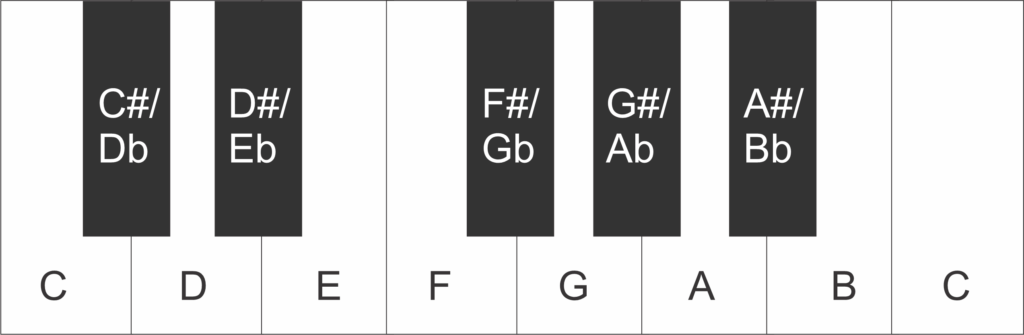
Mobile users: for best results reading the examples, rotate your screen 90o to the right.

Do I Really Have to Learn Music Theory to Learn How to Play Piano - Why Do Minor Keys Sound Sad to Me - Color Code Key Signatures - Keyboard Accidentals - What is a Parallel Mode and How Does it Work - What Purpose Do Accidentals Serve in Reading Sheet Music - Reading Music (A Quick Guide to How to Read Music) - How Can I Learn the Basics of Music Theory - What Exactly Do I Do with the Circle of Fifths - An Easy How to Guide to Understanding Triads - 50 Essential Music Symbols Explained in Less Than 5 Minutes - What Exactly Do I Do with The Circle of Fifths - Circle of Fifths - How to Learn Music Theory with a Learning Disability - How to Effectively Use Music Theory to Transpose Music

To access an online keyboard: click here.

If you started to get melodic ideas as you chanted your text, that’s a bonus.

  • This means that you’re well on your way to creating your song’s melody.
  • It’s also good, because your melody will probably be more inspired.
  • That in turn will make it more fun and engaging.

However, if you didn’t have a melody pop into your head, you need to take this next step in the melody writing process.

  • Under the keyboard diagram is a link to an online piano.
  • When you get to the piano website, start noodling around on the keyboard while rhythmically singing your text.
  • Try to find good, catchy note combinations, and when you create something good, record that too.

If you don’t know much about music, it’s best to stick to the white keys.

For more information on writing melodies:

However, as you grow in your writing, you’ll need to understand how scales and chords work.

If you want to try writing song lyrics from scratch, this next link looks at the songwriting process.

Alternatively, you could collaborate with a songwriter who knows music.

Video: Writing Catchy Melodies

Final Thoughts

Takeaway points:

  1. Both songs and poems have rhythm, so that’s the best place to start.
  2. Start noodling around with your rhythm and text. Try to find good, catchy note combinations.
  3. Alternatively, you could collaborate with a songwriter who knows music.

Have fun writing!

How Do I Switch from Singing Shaped Notes to Standard Notation - Boys Choir - How Do I Switch from Minor Key Shaped Notes to Standard Notation - Singing Shape Notes Solfege Ionian Melodies - What Exactly Is a Chord and What Does the Term Harmony Mean - What Exactly Is a Chord and What Does the Term Harmony Mean

How Do I Switch from Singing Shaped Notes to Standard Notation – Part 1

“How do I switch from singing shaped notes to standard notation?” Because they’re easy to read, shape notes will always be a good choice for struggling readers, and it makes a great introduction to solfege too. However, the limited shape note repertoire means that shape note singers may want to learn to read standard notation as well. Click to learn how to transition from shaped notes to standard notation. Estimated reading time 3 minutes.

Read More


How to Write Heavenly Worship Songs - Hands Raised in Worship and Bible

How to Write Heavenly Worship Songs

Do you want to know how to write heavenly worship songs? Do you need help learning how to craft both good lyrics and music? Writing praise and worship songs that have uplifting music and lyrics is both an art and a ministry. Click to learn how to strike that balance. Estimated reading time 4 minutes.

Read More
Question - How Do I Get Better at Sight Singing - Male Singer - What Exactly Is a Ballad and How Do You Write One? - How to Have Fun Singing Karaoke Songs

Question, How Do I Get Better at Sight Singing?

“What purpose do accidentals serve in reading sheet music?” Sharps, flats, and naturals (collectively called accidentals) grew out of a problem that needed to be fixed in the mediaeval music notation. The music theorists of the time slapped their fix onto the preexisting notation system, and that fix is still with us to this day. However, having confused generations of budding musicians, the results of the fix leave a lot to be desired. Click to answer the question, “What purpose do accidentals serve in reading sheet music?” Estimated reading time 3 minutes.

Read More