

Success Music Studio

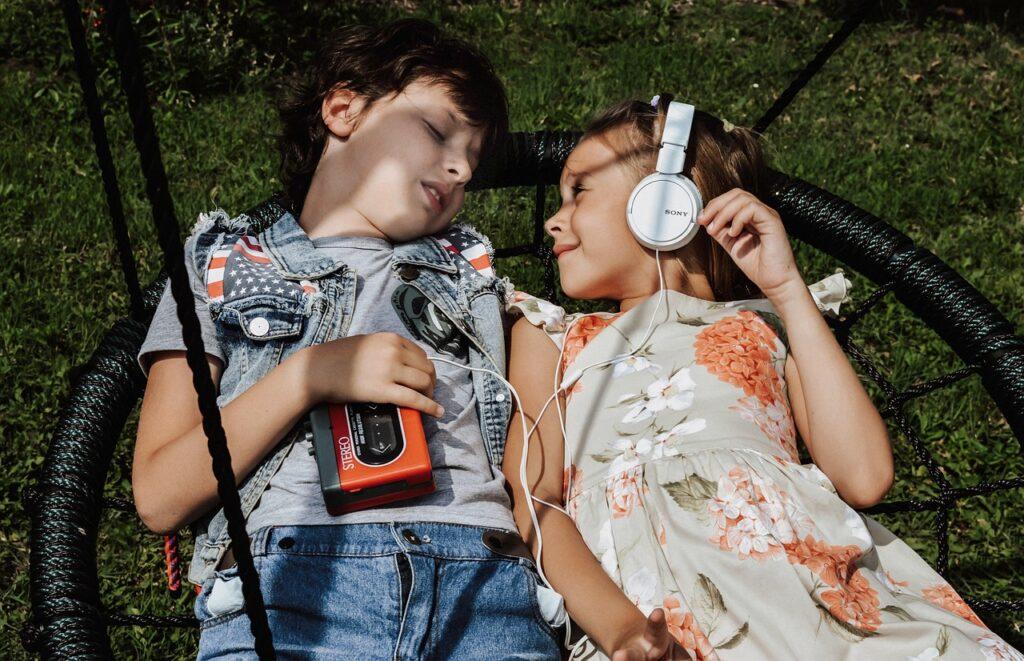
How to Write Cool Kids’ Songs - Kids Listening to Music

How to Write Cool Kids’ Songs

Facebook
Pinterest
LinkedIn

Estimated reading time 3 minutes

Table of Contents

Introduction

Do you need advice on how to write cool kids’ songs? Writing music for children is a fun way to motivate, teach, and entertain them. Having said that, writing for kids is similar to writing for adults but with a few differences. Keep reading to learn how to write kids’ songs.

Ways Around the Difficulty of Playing the Piano Due to Short Fingers and Small Hands - Boy Playing Piano - What’s the Best Lesson You’ve Had with Your Music Teacher - How Do Musicians Find Enough Time to Practice Their Instruments - Is the Suzuki Music Methodology Bad for Learning Piano - Meet Special Needs Music Expert Geoff Keith at Lexsepta 2025

This post contains affiliate links, which means I may receive a small commission from purchases made through the links. I’ll only recommend products I use, use in lessons, or ones my students or colleagues have recommended.

How to Write Kids’ Songs: Get Feedback

“How do I make sure my songs are effective?”

There are a few ways that you can get feedback on your songwriting to help you improve.

  • Get involved with a local songwriter’s group where they critique each other’s songs.
  • Post questions to online social media forums such as a Facebook or Reddit songwriting group.
  • Volunteer to play at your local library so you can see how kids react to your songs.

When testing your music on children, look for these signs.

  • Do they sing with you?
  • Do they dance or otherwise move to the music?
  • Can they follow along with the hand motions (if there are any)?
  • Does it make them smile?
  • Does it make them laugh?

If you see these things happen, you’re on the right track.

Musical Talent and Giftedness - Kid Playing a Ukulele

How to Write Kids’ Songs: How Do I Write the Lyrics?

When writing kids’ songs, repetition and simplicity are important.

  • First, know the vocabulary of your target age range. Fifth graders will have a vastly different grasp of language than seven-year-olds.
  • Choose easy words and use memorable word choices.
  • Boost the memorability of your lyrics by focusing on word repetition.

Make the lyrics silly and fun and use simple subjects for preschoolers.

Example subjects:

  • Taking turns
  • Letters and numbers
  • Colors and shapes
  • Seasons and holidays
  • Potty training
  • Days of the week
  • Months of the year
  • Animals, fish, and birds (including farm, zoo, wild, and pets) (See the video below)
  • Everyday activities (e.g., getting dressed, eating, taking a bath, etc.)
Video: The Goldfish (Let's Go Swimming)

Older kids have different wants, likes, and needs.

Lyric subjects for elementary-aged kids can include:

  • Sports, games, and play
  • Holidays and vacations
  • Parodies and mild potty humor
  • Lyrics that deal with strong emotions
  • Educational (e.g., math, science, history, writing, etc.)
  • Lyrics that build self-concept and self-esteem.
  • Silly subjects (e.g., a cucumber looking for his lost hairbrush) (See the video below)
  • Songs that build moral character (i.e., truthfulness, sharing, kindness, fairness, etc.)

By the time kids hit middle school, they often start transitioning to pop and rock radio.

Video: The Hairbrush

For more information on crafting your lyrics

How to Write Kids’ Songs: How Do I Write the Music?

Writing music for kids’ songs is much like writing pop music.

  • You need a catchy melody, cool chords, and toe tapping rhythm.
  • Fun and engaging arrangements.
  • All that stuff.

However, children’s music emphasizes different things from music for teens and adults.

  • Go for upbeat and happy melodies that encourage participation.
  • Try to make it as catchy and memorable as possible so that the kids can sing along.
  • Use straightforward chord choices that emphasize major harmonies.
  • Write music that encourages hand motions and other body movement (i.e., clapping, tapping, dancing, marching, stomping, etc.). (See the video below.)
  • Call-and-response works well in kids’ songs, making them particularly easy for children to remember.
  • Incorporate nonsense sounds (vocables, humming, whistling, etc.)
  • The rhythm for kids’ song melodies can be surprisingly complex. Having said that, you should simplify the rhythm if your test audience doesn’t respond well.

Basically, you do anything you can to engage the kids.

Video: Head, Shoulders, Knees, and Toes

For more information on how to write music

These books give you a deep dive into songwriting.

What Is the Precise Meaning of Scaffolding in Teaching - Girl Playing Guitar

Final Thoughts

Takeaway points:

  1. Know the vocabulary of your target age range.
  2. Write music that encourages hand motions and other body movement (i.e., clapping, tapping, dancing, marching, stomping, etc.).
  3. Volunteer to play at your local library so you can see how kids react to your songs.

Have fun!

Singing Tongue Vowels - Male Singer

Singing Tongue Vowels

Do you have a hard time singing with a strong vocal tone? Do you want to be able to sing in tune? Controlling how you sing vowels will help you get a stronger tone and give you the tools to sing in tune. We'll focus on tongue vowels today, because you'll find tongue vowels easier to produce than lip vowels. Read more to learn about singing tongue vowels. Estimated reading time 5 minutes.

Read More
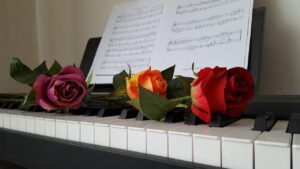
How to Read Piano Sheet Music for Beginners - Piano with Sheet Music and Roses

How to Read Piano Sheet Music for Beginners

Are you a beginner pianist and want to know how to read piano sheet music? Or are you a parent and want to figure out if your child is ready to play piano? This post covers the basics of how to read piano sheet music. In addition, it has links to practical examples so you can get an idea of what it’s like to play and read piano music. Keep reading “How to Read Piano Sheet Music for Beginners” to embark on your musical voyage. Estimated reading time 5 minutes.

Read More
Top 5 Best Songs for Professional Wedding Singers - Bride

Top 5 Best Songs for Professional Wedding Singers

Do you want to sing at weddings? Do you need help developing your repertoire? A wedding is a special time for a couple because it’s the beginning of building a life together. If you do your job right, you help build memories that will last for the rest of their lives. Click to learn the top 5 best songs for professional wedding singers and learn about the resources for learning even more songs. Estimated reading time 3 minutes.

Read More