




Success Music Studio

What’s the Key Difference Between Soprano and Mezzo Soprano?

Facebook
Pinterest
LinkedIn

Estimated reading time 2 minutes

Table of Contents

Introduction

“What’s the key difference between soprano and mezzo?” Though superficially these two voice types seem very similar. You only need to take a closer look to notice the key differences between singers like Celine Dion and Taylor Swift. Keep reading to learn how this affects singers like you.

This article uses musical terms. For definitions, see the Glossary at the end of the post.

What're the Key Differences Between Contralto and Alto Voice - Young Woman with Guitar Singing

This post contains affiliate links, which means I may receive a small commission from purchases made through the links. I’ll only recommend products I use, use in lessons, or ones my students or colleagues have recommended.

The Difference Between Soprano and Mezzo: What Parts Do They Sing in Chorus?

“What’s the key difference between soprano and mezzo?” The big difference between them is in their range:

  • Mezzo sopranos are the female equivalent of baritones in that they generally can go lower than sopranos, higher than altos, and have a wider range than either of the other two.
  • Vocal ranges can be categorized into high voices and low voices.
  • Therefore, sopranos (women) and tenors (men) are high voices and altos (women) and basses (men) are low voices.

So, where do mezzos fit in the scheme of things?

  • They usually have the range to sing either soprano or alto parts.
  • Though if they do sing the higher part, they’ll normally take soprano II.
  • However, a mezzo has a naturally low voice range and will often sing with the altos.

This affects what keys work best for your voice:

  • Why? Because the best keys for high voices are different from the best ones for low voices.
  • For example, my wife is a mezzo, and I’m a tenor.
  • When we sing together, I must pick a compromise key that sort of works for both of us.

In other words, I have to transpose the song so that we’ll both at least sound okay.

For more information on transposing:

The Difference Between Soprano and Mezzo: What’s Their Range and Voice Quality?

How does this affect your tone and range?

  • Sopranos have a conservative vocal range of C4 to G5. (C4, or middle C, is the 4th C from the left on a piano.)
  • While mezzos have a conservative vocal range of A3 to F5. (Though most singers can exceed these conservative ranges.)
  • In addition, sopranos have a brighter tone while mezzos sound a bit mellower.

Listen to the following videos to hear how each voice type sounds.

Famous Sopranos:

  • Celine Dion
  • Maria Callas
  • Whitney Houston

Video: Soprano Celine Dion

Famous Mezzos:

  • Amy Grant
  • Taylor Swift
  • Cecilia Bartoli

Video: Mezzo Taylor Swift

The Difference Between Soprano and Mezzo: What Is a Coloratura?

  • Originally, coloratura referred to a style of music that had a lot of embellishments, runs, and trills.
  • Sopranos with the ability to sing in this style were called coloraturas, and later the term coloratura was applied to singers who could perform vocal gymnastics regardless of the style.
  • Probably the most famous coloratura is Maria Callas, who left an indelible mark on 20th century opera.

Go back and compare Maria Callas with Celine Dion and Taylor Swift. How do they sound similar and how do they sound different?

Video: Coloratura Maria Callas

How to Record Vocals for a Professional Sound - Condenser Mic with Pop Screen - How to Figure Out Your Voice Type - How to Record a Professional Quality Podcast
Taking it to the next level!

Final Thoughts

Takeaway points:

  1. Sopranos are high voices and mezzos are low.
  2. This will affect the range, tone quality, and what keys are easy to sing for each voice type.
  3. Coloraturas have high singing voices and a virtuosic singing style.

For more information on vocal ranges:

Have fun singing!

Related Posts:

© 2024 Geoffrey Keith

Newsletter Signup

Join me for in-person or online lessons today!

Back to the Singing in Tune category blogs page

Back to the Successful Music Student Blogs page

Glossary

Do I Need Talent to Write Music and Compose Lyrics - Glowing Piano

Do I Need Talent to Write Music and Compose Lyrics?

Do you need talent to write music and compose lyrics for a song? Or can you get by using music theory and compositional techniques? We’ll talk about that and a whole lot more in today’s post. Click to answer the question, “Do I need talent to write music and compose lyrics for a song?” Estimated reading time 4 minutes.

Read More

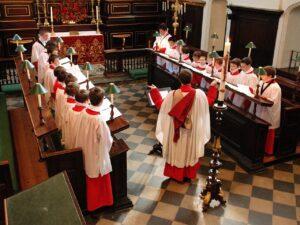
Choir Meaning and Examples with Videos, Pictures, and Soundtracks - English Boys Choir

Choir Meaning & Examples with Videos, Pictures, & Soundtracks

Do you want to know the meaning of the word choir? In this post, you’ll learn how a choir works, including video and soundtrack examples of choir and chorus music. Keep reading “Choir Meaning & Examples with Videos, Pictures, & Soundtracks” to learn more. Estimated reading time 3 minutes.

Read More

Can I Become a Music Teacher if I Have Special Needs - Cello

Can I Become a Music Teacher if I Have Special Needs?

“Can I become a music teacher if I have special needs?” Having special needs doesn’t automatically bar you from teaching. In fact, if you want to teach special needs students, you have an edge as a teacher. Click to find out how you can become a special needs music teacher. Estimated reading time 3 minutes.

Read More

Is There a Difference in Difficulty for Singing Specific Vowels - Women Singing - Tips for People Who Can't Sing in Tune

Is There a Difference in Difficulty for Singing Specific Vowels?

Is there a difference in difficulty in singing specific vowels? Yes, some vowels will be easier to sing in tune, and others will be easier to sing with a strong tone. Click to understand why there is a difference in difficulty for singing specific vowels, and how to do something about it. Estimated reading time 5 minutes.

Read More