Music
Music
Where Did the Word for Music Come From?
The Western term for music comes from the Greeks. The ancient Greeks thought that the arts were inspired by a collection of nine gods called the Muses.
This is understandable, because when a songwriter creates a song, it can feel as if it has come from an outside source. However, it has really come from the intuitive part of the songwriter’s brain.
The idea in mythology was that the Muses channeled creative ideas to singers and instrumental performers, and they in turn created their art.
On the other hand, some cultures lack an equivalent word for music. For instance, in some parts of the world the word for singing remains the same as the word for praying.
Music in the Non-Western World
For most of the world’s history, songs have been about more than just entertainment. It helped pull people together and bind them as a community. It would be hard to imagine a church service, sporting event, or school rally without songs.
Songs have often had important roles in life cycle events: births, deaths, seasonal songs, coming of age, work songs, and holidays.
Music in the Western World
Composers and songwriters sculpt sound into compositions. In Western culture, we usually view it as entertainment. This mostly likely results from the structure of free market societies, which always looks for ways to monetize products and services.
The Music Archive includes posts on different ways of learning to sing, play instruments, and compose. However, the list below focuses on songwriting posts.
Songwriting Posts on Melody and Harmony Composition:
See the posts below for full descriptions.
– Geoffrey Keith
© 2022 Geoffrey Keith
Back to the Successful Music Student Blogs page
Are you a musician or want to be one? Are you looking for new and fun ways to interact with the “Successful Music Student” blog? I’m excited to announce that I’ve officially launched my Instagram page, which has the same name as my blog. Click to learn how it works and what it has to offer. Estimated reading time 2 minutes.
Success Music Studio’s Expert Advice Is Now on Instagram Read More »
Do you want to know what the panic factor of music is? Do you need help dealing with performance pressure? The stress of an upcoming performance can have both positive and negative impacts. This is why there’s no substitute for playing in front of people, because you’ll never see the positives or learn how to deal with the negatives if you never try. What is the panic factor of music? Click to learn more. Estimated reading time 3 minutes
What Is the Panic Factor of Music? Read More »
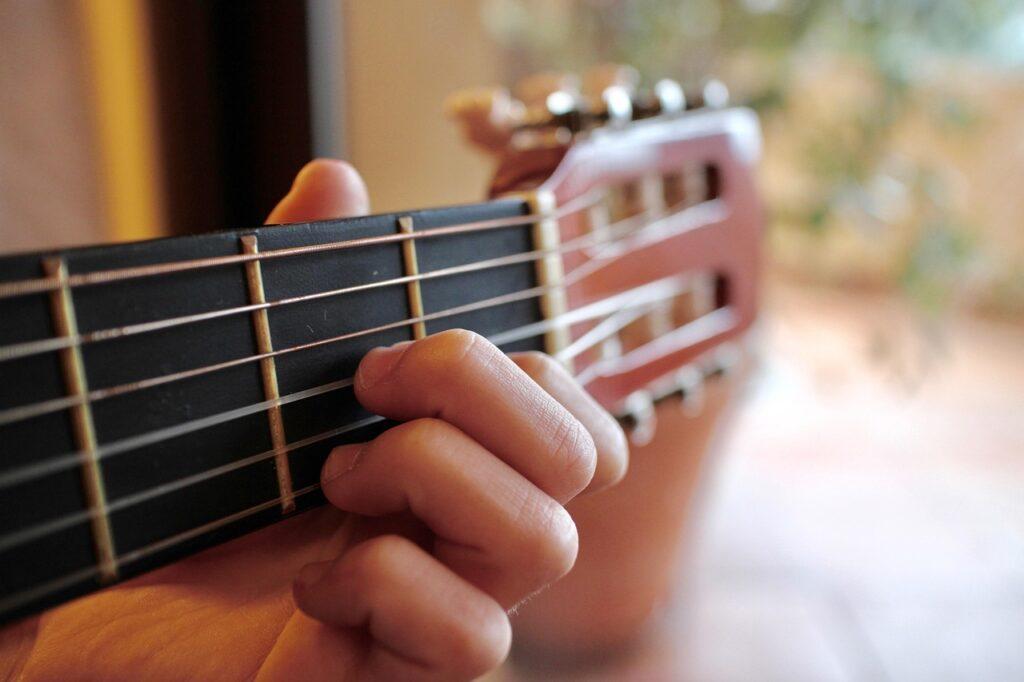
Does your guitar sound dead and feel rough when you play it? Do you need help learning how to replace your strings? Being able to replace your guitar strings is an easy skill to learn that will save you time and money so you won’t have to bring your instrument to a music store. Plus, putting on a new set will make your guitar sound and play better. Click an “Easy Guide for Learning How to Replace Guitar Strings” to learn how to do it. Estimated reading time 3 minutes.
Easy Guide for Learning How to Replace Guitar Strings Read More »
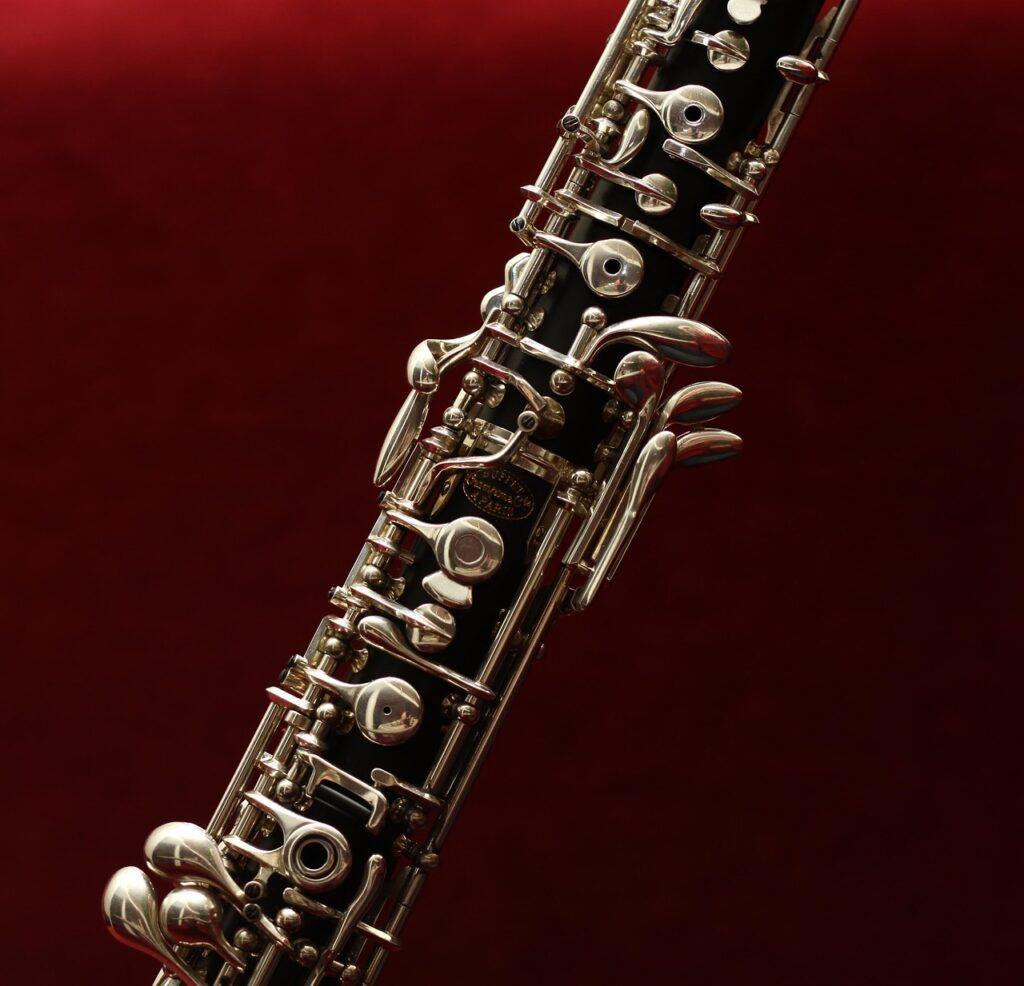
Do you need help with playing your oboe in tune? Mastering oboe intonation is one of the most challenging components of learning the instrument. However, once you’ve tweaked your intonation, it’ll make your instrument sound fantastic. Click to learn how to play your oboe in tune. Estimated reading time 4 minutes.
How to Play Your $@&% Oboe in Tune Read More »
Do you need to know what family chords are and how they work? It doesn’t matter if you’re writing songs, or playing piano, guitar, or accordion, understanding how harmonies relate to each other within a key is your first step toward unlocking the secret of how music works. Click to learn how to best use family chords to expand your mastery of music. Estimated reading time 4 minutes.
How to Best Use Family Chords Read More »
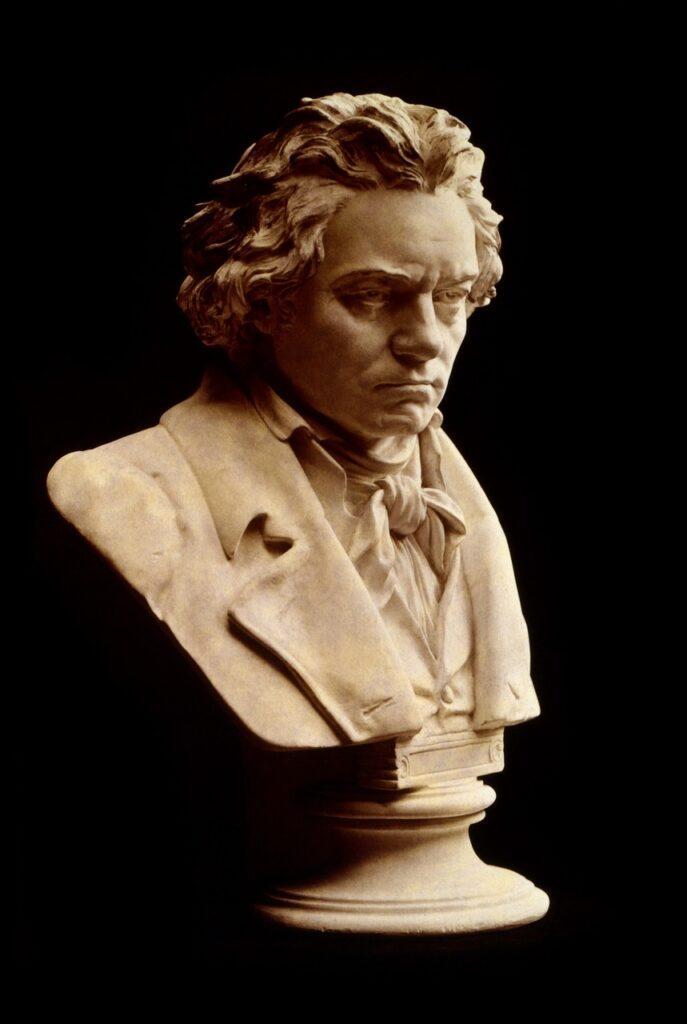
Do you want to play Fur Elise? Do you need help with fingering? If you’re going to learn any classical piano piece, this is the one. It’s a crowd pleaser that’s a lot of fun to play. Click to learn how to play Beethoven’s beautiful Fur Elise. Estimated reading time 5 minutes.
Learn How to Play Beethoven’s Beautiful Fur Elise Read More »
Is English a second language for you? Do you want advice on how to write songs in English? Are you a world music artist and want to transition into a pop music career? If you want to write Western pop, you must understand pop music styles and have good English vocabulary and grammar skills. Click to learn how to write beautiful songs in English. Estimated reading time 3 minutes.
How to Write Beautiful Songs in English Read More »
Do you want to know what that funny looking thing is to the left side of the music staff? Do you need to know how clefs work when reading music? When a singer or instrumentalist sees a clef, it helps them find the notes on the staff. Therefore, it’s an essential symbol for interpreting the score. Click on “What’s a Clef and How to Use It?” to understand what it is and how it works. Estimated reading time 3 minutes.
What’s a Clef and How to Use It? Read More »
Do you need to memorize your music? Do you want help understanding the different ways to effectively memorize pieces? Not everyone thinks the same way, so the trick is to learn the best way for *you* to memorize your music. Click to learn how to best memorize your music. Estimated reading time 4 minutes.
How to Best Memorize Your Music Read More »
Do you want to know how to write poignant sad songs? Sad song lyrics have an unrivalled ability to affect our emotions, stirring our hearts and offering comfort when times are tough. Click to learn how to write beautiful sad songs. Estimated reading time 3 minutes.
How to Write Beautiful Sad Songs Read More »