














Success Music Studio

Singing Rhythm Syllables in 2-4 Time - Music in Red Bow - after they can sight-read what’s left for musicians to learn - Deck the Halls (Lyrics and Song) - Joy to the World (Song, Words, and Piano)

Singing Rhythm Syllables in 2-4 Time

Facebook
Twitter

Estimated reading time 4 minutes

Table of Contents

Introduction

Do you have a hard time reading rhythm in time signatures other than 4-4?  2-4 gets used a lot in marches, so you also often find it used in patriotic songs, making it worth learning. Read more to learn about singing rhythm syllables in 2-4 time.

This post uses musical terms. For definitions, see the Glossary at the end of the article.

Singing Rhythm Syllables in 2-4 Time: Today’s Song

We’ll be using a tongue in cheek version of the alphabet song for the example today. First published in Boston in 1834, The Schoolmaster has different lyrics and rhythm than the original version of the song. This means you have to pay attention in this song when singing the rhythm syllables in 2-4 time.

The Schoolmaster lyrics:

A B C D E F G

H I J K L M N O P

Q R S T U W V

Q R S T U W V

X & Y & Z Oh dear me!

I cannot say my A B C

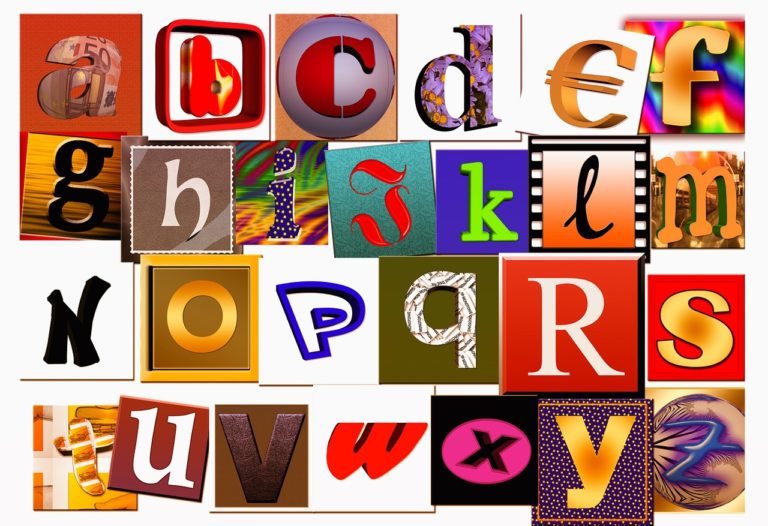
Singing Rhythm Syllables in 2-4 Time - Letters

The Rhythm Chart and Singing Rhythm Syllables in 2-4 Time

  1. Before you begin singing rhythm syllables in 2-4 time, we need to review the rhythmic syllables.
  2. The chart below shows: the symbol, value, and the rhythm syllable associated with each rhythm value.
  3. How are 4-4 and 2-4 different? 4-4 has four Tah’s per bar, whereas 2-4 has only two.

For a talk about how the syllables Ti and Ki work together to perform sixteenth notes:

If you want to hear how the rhythmic syllables sound, watch the video below.

Singing Rhythm Syllables in 2-4 Time - Clapping

Mobile users: for best results reading the music, tilt your screen 90o to the right.

Rhythm Chart

Singing Sixteenth Note Rhythmic Syllables - Rhythmic Syllables (Sixteenth Note)
Singing Sixteenth Note Rhythmic Syllables- Rhythmic Syllables (Eighth Note) - Singing Rhythm Syllables in 9-8 Time
Singing Sixteenth Note Rhythmic Syllables - Rhythmic Syllables (Quarter Note) - Singing Rhythm Syllables in 9-8 Time

Rhythm Syllables Video

The Alphabet Song and Singing Rhythm Syllables in 2-4 Time

Singing Rhythm Syllables in 2-4 Time - ABCs alternate version line 1
Singing Rhythm Syllables in 2-4 Time - ABCs alternate version line 2
Singing Rhythm Syllables in 2-4 Time - ABCs alternate version line 3
Singing Rhythm Syllables in 2-4 Time - ABCs alternate version line 4
Singing Rhythm Syllables in 2-4 Time - ABCs alternate version line 5
Singing Rhythm Syllables in 2-4 Time - ABCs alternate version line 6

The Alphabet Song (The Schoolmaster):

  • As mentioned earlier, The Schoolmaster version of The Alphabet Song will be today’s example for singing rhythm syllables in 2-4 time.
  • First, try chanting the rhythmic syllables, which appear above each line in the sheet music examples. Next, perform the melody using the solfege syllables, which appear below each line in the score.
  • Make sure to breathe at the end of each phrase. If you don’t breathe, your note can sink, making you go out of tune.
  • The sing-along song track creates a sound model for rhythm in 2-4 time. I chose the song’s tuning to foster good melodic intonation. Listen to the distances between the pitches. This will reinforce your mental pitch template for melodic tuning.
  • Also, I have included a video of The ABC Song for your viewing pleasure.

The ABC Song Video

Singing Rhythm Syllables in 2-4 Time: Quiz

Try the quiz once you’ve gotten The Alphabet Song down. Sing the rhythm syllables in 2-4 time, then try the solfege syllables (not included).

Singing Rhythm Syllables in 2-4 Time - Quiz line 1
Singing Rhythm Syllables in 2-4 Time - Quiz line 2
Singing Rhythm Syllables in 2-4 Time - Quiz line 3
Singing Rhythm Syllables in 2-4 Time - Female Singer - Singing Rhythm Syllables in 9-8 Time - Perfect Pitch: Discover the Truth [Plus Absolute Pitch Test]

Concluding Thoughts on Singing Rhythm Syllables in 2-4 Time

I suggest you practice every day singing rhythm syllables in 2-4 time along with the song track. This will build your comfort level with the new time signature.

Shape notes will help anyone to read music better, because it creates a multisensory learning experience. However, shape notes are particularly helpful for autistic, ADD, LD, and special needs vocalists.

© 2022 Geoffrey Keith

Newsletter Signup

Join me for in-person or online lessons today!

Back to Shape Notes and Solfege category blogs page

Back to the Successful Music Student Blogs page

Glossary

Anyone Can Learn to Sing, Including You - Woman Singing into a Firey Mic - What's The Basic Difference Between Falsetto and Chest Voice

Anyone Can Learn to Sing, Including You

Anyone can learn to sing, including you. An old Zimbabwe proverb says, “If you can walk, you can dance. If you can talk, you can sing.” So, if you can talk, why don’t you give singing a try? Read more to find out how it works. Estimated reading time 3 minutes.

Read More

Why Do Minor Keys Sound Sad to Me - Sad Emoji - How to Write Beautiful Sad Songs

Why Do Minor Keys Sound Sad to Me?

Have you ever wondered, “Why do minor keys sound sad and major keys sound happy?” Has this phenomenon been hardwired into us, or does culture impact how we perceive scales? In fact, it’s a little bit of both. Read more to learn how this works. Estimated reading time 3 minutes.

Read More

How to Tune Country Blues Guitar - Blues Performance - What Is Your Definition of a Good Musician - Discover Which Notes Are Authentic Blue Notes

How to Tune Country Blues Guitar

Want to get the authentic sound of country blues guitar? Frustrated that your guitar sounds different from your favorite blues artist? The guitar’s tuning impacts the sound. Read more to learn how to tune country blues guitar to achieve an authentic blues sound. Estimated reading time 7 minutes.

Read More
What’s a Melody (and How to Write Strong Ones) - Woman with Headphones

What’s a Melody (and How to Write Strong Ones)

Do you want to learn how to write a melody? A melody is a series of notes that sound in rhythmic sequence. In a song, it’s the musical part that the lead vocalist sings. It’s the main focus of the music, because it’s what sells the song. Keep reading “What’s a Melody (and How to Write Strong Ones)” to learn what it is and how it works. Estimated reading time 3 minutes.

Read More