



Success Music Studio

The Special Needs and Learning Disability Label Dilemma - Label

The Special Needs and Learning Disability Label Dilemma

Facebook
Pinterest
LinkedIn

Estimated reading time 4 minutes

Table of Contents

Introduction

Do you feel uncomfortable with special needs labels? Do you like one label but hate another? Terms like special needs and learning disabilities are critical for gaining access to support services. However, they can come with some big downsides. Keep reading to learn about the special needs and learning disability label dilemma.

How Easy Is it to Teach a Down Syndrome Child an Instrument - Man

This post contains affiliate links, which means I may receive a small commission from purchases made through the links. I’ll only recommend products I use, use in lessons, or ones my students or colleagues have recommended.

The Special Needs and Learning Disability Label Dilemma: The Pros and Cons

One problem with labels is that they can accidentally stigmatize a person through negative stereotypes.

  • This can affect a student’s self-concept and self-esteem.
  • In addition, it can affect how teachers and peers view the student.
  • This can in turn make it so that people will get only a narrow view of the individual, missing key strengths and struggles that don’t fit the label’s profile.

On the other hand, if the student doesn’t have a label, it can limit access to legal and academic accommodations and resources.

  • For example, these can take the form of extra time on tests, extra tutoring in a resource room, and access to assistive technologies.
  • Also, they provide legal protections against teachers who won’t provide access to these resources because they don’t believe in things like learning disabilities.
  • In addition, adults who find out they have issues like ADHD or dyslexia often embrace these labels because it helps explain what is going on with them.
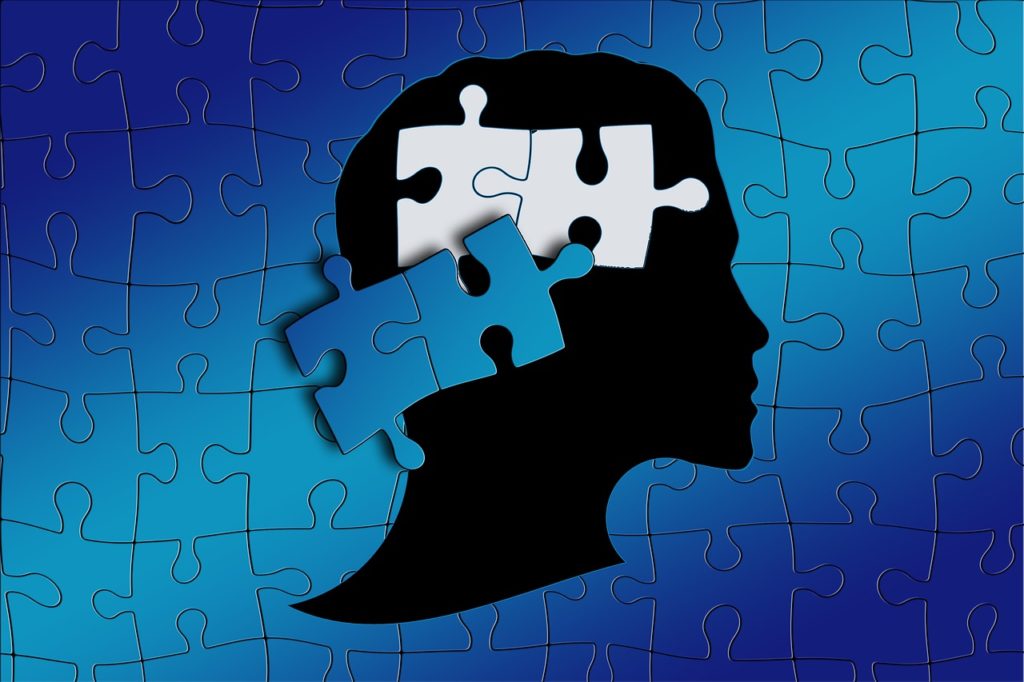
What is LD & ADD? - Picture of a Brain Puzzle - Positives to Dyslexia - Everything is Connected to Everything Else

The Special Needs and Learning Disability Label Dilemma: People Who Like the Term Special Needs

What are special needs? The Merriam-Webster Dictionary defined it as…

Special Needs: any of various difficulties (such as a physical, emotional, behavioral, or learning disability or impairment) that causes an individual to require additional or specialized services or accommodations (such as in education or recreation). Merriam-Webster Dictionary

Parents often like the term special needs.

  • Berklee College of Music professor Dr. Rhoda Bernard commented at the 2020 Able Assembly that parents had told her that they liked the term special needs better than the term learning disabilities.
  • While labels like special needs, learning disabilities, and dyslexia have become stigmatized, they’re still useful, if for no other reason than that it’s what parents have been searching for online as they look for options that will help their children.
  • This is one of the reasons I still use the term on my website, so that people can find the information they need about music special education.
Ways Around the Difficulty of Playing the Piano Due to Short Fingers and Small Hands - Boy Playing Piano - What’s the Best Lesson You’ve Had with Your Music Teacher - How Do Musicians Find Enough Time to Practice Their Instruments - Is the Suzuki Music Methodology Bad for Learning Piano - Meet Special Needs Music Expert Geoff Keith at Lexsepta 2025

The Special Needs and Learning Disability Label Dilemma: People Who Hate the Term Special Needs

However, adults who grew up with the label feel very negatively toward the special needs label.

Why do neurodivergent adults have such a strong negative reaction?

  • Part of the problem is that special needs is a wide catchall term – just about everyone with social or academic issues can fit under this umbrella.
  • However, it doesn’t really describe any particular physical or learning issue very well.
  • The other problem is that images from events like the Special Olympics can keep neurodivergent people, especially those with hidden disabilities, from identifying with the label.
  • So, when it’s applied to them, they think, “This isn’t me, so don’t you dare use it to describe me!”

The Special Needs and Learning Disability Label Dilemma: People Who Hate the Term Learning Disability

What is a learning disability? The Merriam-Webster Dictionary defined it as…

Learning Disability: any of various conditions (such as dyslexia or dysgraphia) that interfere with an individual’s ability to learn and so result in impaired functioning in language, reasoning, or academic skills (such as reading, writing, and mathematics) and that are thought to be caused by difficulties in processing and integrating information. Merriam-Webster Dictionary

The term disability isn’t universally loved.

  • Think about it. The term has a negative focus on what students can’t do and misses any strengths that the students may have. This is because the label learning disability only defines one aspect of a person and misses the big picture.
  • This can really damage a student’s self-concept and self-esteem.
  • For example, I knew someone who imagined his brain on crutches every time someone used the term learning disabled to describe him.
  • Also, I’ve known people with hidden disabilities who’ve experienced ableism because of the label.

Many parents also hate the word.

  • When I’ve talked to a student’s parent that the student might have dyslexia, the parent usually gets very upset, very quickly – ultimately pulling the child out of music lessons because if it.
  • It’s so bad that I’ve come to call dyslexia “the D word.”
  • It’s just that offensive.
Here are some resources that will help neurodivergent students to learn music.
What Are Some Elegant Examples of Polyphony - Score with Rose - The 5 Best Free Music Notation Apps

Final Thoughts

Takeaway points:

  1. While labels like special needs, learning disabilities, and dyslexia have become stigmatized, they’re still useful, if for no other reason than that it’s what parents have been searching for online as they look for options that will help their children.
  2. However, the simple truth is that any label a person grows up with may become toxic for them if their learning or socializing experience was difficult.
  3. This is probably why labels like neurodivergent and learning differences have been gaining traction in the neurodiverse community as alternative, neutral terms.
Measuring a Song’s Success - Man Rapping - What Exactly Does Beat Mean in Hip Hop?

What Exactly Does Beat Mean in Hip Hop?

“Maybe I'm old, but what is a beat or beats?” The word beat in Hip Hop doesn’t just refer to the rhythm tracks. Keep reading “What Exactly Does Beat Mean in Hip Hop?” to find out what it is and how it works. Estimated reading time 2 minutes.

Read More


Hot Tube Amps Versus Cool Recording Studio Modelers - Marshall Amp

Hot Tube Amps Versus Cool Recording Studio Modelers

Have you been looking at gear and want to know whether tube amps or amp modelers are the better option for your guitar sound? Tube amps are old school and amp modelers are state of the art. However, each has its own advantages and disadvantages. Keep reading “Hot Tube Amps Versus Cool Recording Studio Modelers” to learn the benefits of each. Estimated reading time 3 minutes.

Read More
How to Write Music Using Consonance and Dissonance - Piano and Flute

How to Write Music Using Consonance and Dissonance

Do you want to know what consonance and dissonance are? Do you need to know how they work in music? If you want to write incredibly cool music, you need to understand how consonance and dissonance function in melodies and harmonies. Keep reading “How to Write Music Using Consonance and Dissonance” to learn what they are and how they work. Estimated reading time 3 minutes.

Read More
Tune Like a Rock Star - Les Paul Guitar - A How to Guide for Incredibly Cool Guitar Distortion

How to Tune Like a Rock Star

How you tune affects how you sound. We look at how Keith Richards tunes his special open G tuning. The post includes video interviews with Keith Richards. Learn how to tune like a rock star! Estimated reading time 3 minutes.

Read More