




Success Music Studio

How to Sing Powerful Vowels and Consonants - Man with Guitar Singing

How to Sing Powerful Vowels and Consonants

Facebook
Twitter

Estimated reading time 2 minutes

Table of Contents

Introduction

Your performance isn’t just about hitting your notes. It’s also about performing with precision: so that your vowels are powerful and resonant, and your consonants are clean and crisp. This in turn will impact your ability to add emotion to your performance. Keep reading How to Sing Powerful Vowels and Consonants to learn more.

This article uses musical terms. For definitions, see the Glossary at the end of the post.

Sing in Tune Like a Rock Star - rock band on stage.jpg

How to Sing Powerful Vowels and Consonants #1: The Heart of Your Vocal Tone

Vowels are the foundation of your vocal tone:

  • They’re what you use to produce a powerful, resonant, sustained note.
  • In addition, vowels and tuning are two sides of the same coin. You adjust your vowels to enhance your tuning, but you can also tune up your harmonies to enhance your vocal tone (i.e., your vowels).
  • Therefore, you’ll sound more powerful the better your tuning and vocal tone is.

You have three main types of vowels:

  • You produce the first type by changing your tongue position and jaw height.
  • Similarly, you produce the second type by changing the shape of your lips.
  • Diphthongs simply blend the first two types together.

Also, you need to make sure to produce your vocal tone with a high soft pallet:

  • The soft pallet is the soft, fleshy area at the back of the roof of your mouth.
  • As you sing, you should have an open, but relaxed space at the back of your throat.
  • This will make everything sound better.

Finally, to get a good vocal tone you need to “sing into the mask”:

For more information:

Singing Schwa Vowels - Female Singer Performing

How to Sing Powerful Vowels and Consonants #2: The Skill of Intelligibility

Consonants give your lyrics definition and clarity:

  • If you don’t pay attention to consonants, your lyrics can become unintelligible.
  • This makes it harder on your listeners, because they’ll have to struggle to understand what you’re singing.
  • In addition, some consonants can create problems in the recording studio.

For example, you need to be careful when you’re recording songs with words with plosives (e.g., p and b) and sibilants (e.g., s, z, ch, sh, and j):

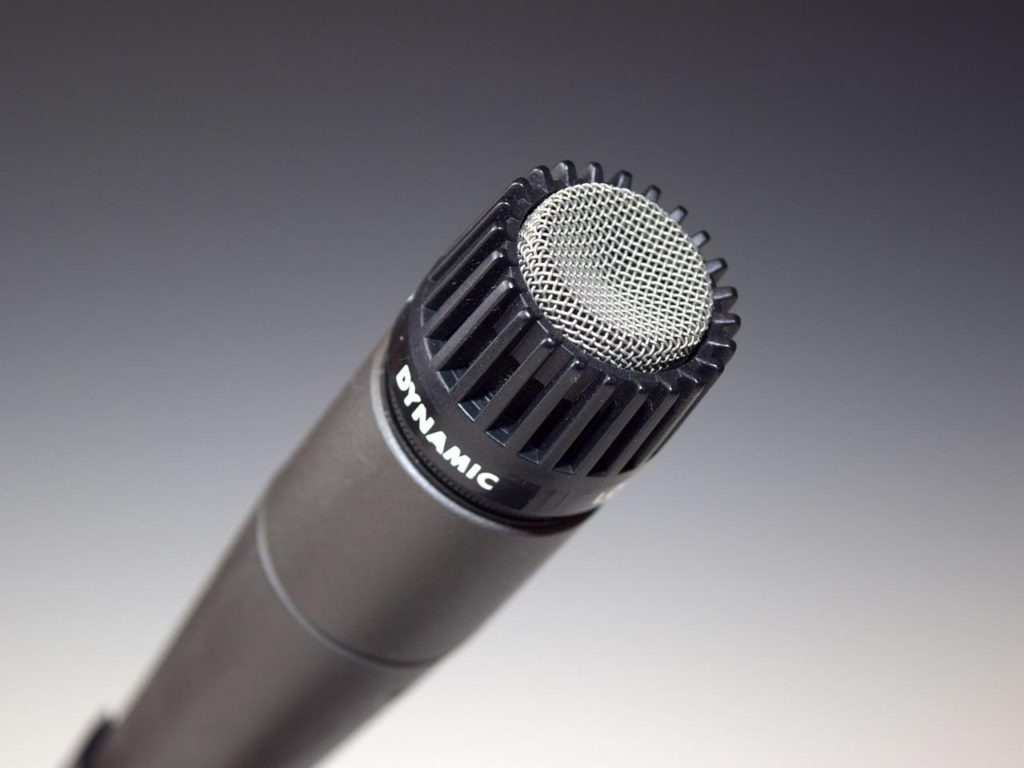
  • P and B can create pops when you record, necessitating good mic technique.
  • Namely, you need to project your air stream parallel across the front of the mic instead of directly into the mic. That technique avoids the popping sounds.
  • Likewise, S, Z, Sh, etc. can create hissing sounds, which you can remove using a device called a de-esser.

For more information on producing consonants:

Singing Schwa Vowels - SM 57 Microphone

How to Sing Powerful Vowels and Consonants #3: The Power in Your Singing

You won’t be able to produce powerful, resonant notes without a supported tone:

  • The thoracic diaphragm is the big muscle below your lungs, as it expands, it pushes your belly out.
  • Therefore, when you take a breath, you need to expand your lungs from your tummy instead of from your shoulders.
  • This is why people say that you need to “sing from the gut,” because your power comes from your diaphragm.

For more information:

Final Thoughts

Takeaway points:

  1. Vowels are the foundation of your vocal tone.
  2. However, consonants add clarity to your lyrics.
  3. If you want to perform with power, you must sing from the diaphragm.

Have fun performing!

Related Posts:

© 2025 Geoffrey Keith

Glossary

What Does Dissonance Mean for Basic Seventh Chords - Sheet Music - How to Play Musical Tempos from Adagio to Allegro

What Does Dissonance Mean for Basic Seventh Chords?

Are you confused about how dissonant seventh chords work? Do you want to know how to make them sound incredibly good? Have you ever looked in a chord dictionary, seen a diagram of a crazy seventh chord, played it, and then wondered: "How am I going to use that thing?" That’s because dissonant harmony sounds tense and unstable. Keep reading “What Does Dissonance Mean for Basic Seventh Chords?” to learn how to make them sound smooth and satisfying. Estimated reading time 3 minutes.

Read More


Prodigy Meaning (Examples of Special Talent in Music) [Video] - Children Playing Music - Sing the Charming Song London Bridge Is Falling Down

What Does Prodigy Mean and Do They Have Elite Musical Talent?

Do you have a musical prodigy on your hands? Do you need information about how your musical child or student learns? Musical giftedness can emerge as early as one to two years old and usually appears before age six. It’s characterized by a rage to learn. Keep reading “What Does Prodigy Mean and Do They Have Elite Musical Talent?” to get examples of this shocking musical ability. Estimated reading time 5 minutes.

Read More

How to Sing Elegant Opera Arias - Opera Stage

How to Sing Elegant Opera Arias

Do you want to sing opera arias? Do you need help with your vocal technique and diction? To be an opera singer, you’ll need a blend of talent and technical skill. Click to learn how to sing elegant opera arias. Estimated reading time 4 minutes.

Read More