Success Music Studio

Why Can I Play Piano Hands Together but not Separately - Victorian Grand Piano - What Should I Look for in a “Piano Teacher Near Me

Why Can I Play Piano Hands Together but not Separately?

Facebook
Twitter

Estimated reading time 2 minutes

Table of Contents

Introduction: Why Can I Play Piano Hands Together but not Separately?

Do you ever find yourself asking, “Why can I play piano hands together but not separately?” Really, it depends on the type of music you play. Some pieces lend themselves to hands together work, while others will be better suited for learning hands separate. Read more to learn the factors that impact how you learn a new piece of music.

This article uses musical terms. For definitions, see the Glossary at the end of the post.

Should I Learn to Play the Piano One Hand at a Time or Simultaneously - Concert Pianist - Why Can I Play Piano Hands Together but not Separately - Can I Learn Singing on the Piano - Musical Talent and Giftedness - What Does the Exotic Sounding Word Bravo Mean at a Concert?

The Factors that Affect Playing Piano with Hands Together but not Separately

Mobile users: for best results, tilt your screen 90o to the right.

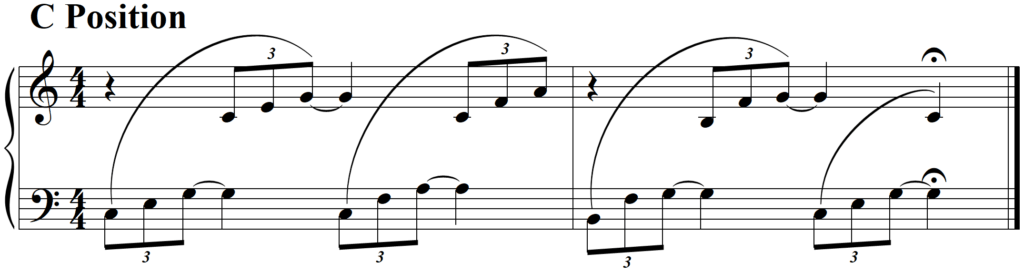
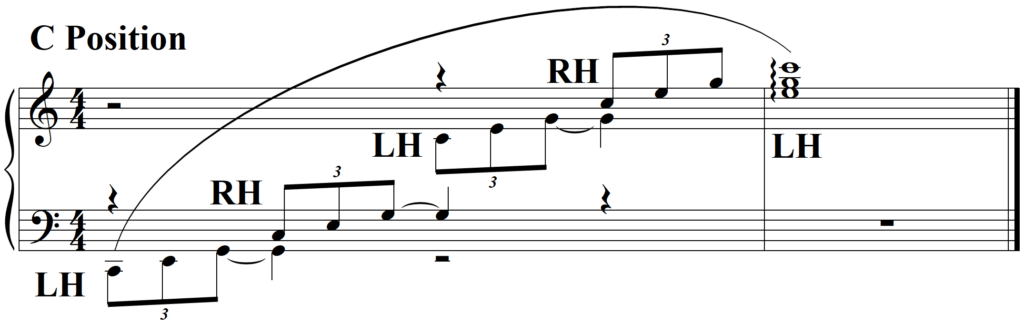
Arpeggios:

Why Can I Play Piano Hands Together but not Separately - Crossovers

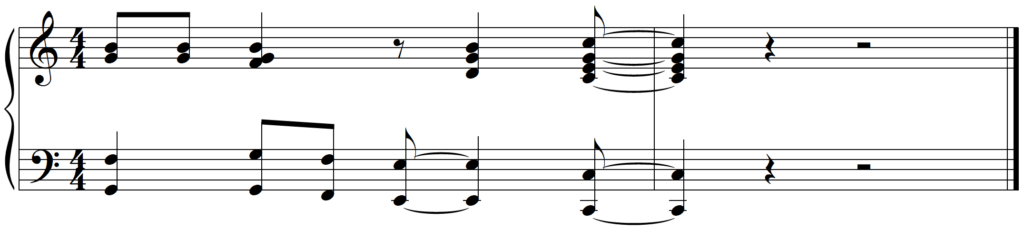
Crossovers:

“Why can I play piano hands together but not separately?” You have four factors that affect whether a piece will be easier to learn with hands together versus hands separate:

  1. First, think about whether the piece has arpeggios that span across both hands (example 1 above). With broken chords you play the notes of a chord melodically, rather than all the notes at the same time. When the arpeggios span across both hands, you’ll find it easier to play with hands together.
  2. Likewise, when you play RH/LH crossovers it’ll be simpler to learn them with hands combined (example 2 above).
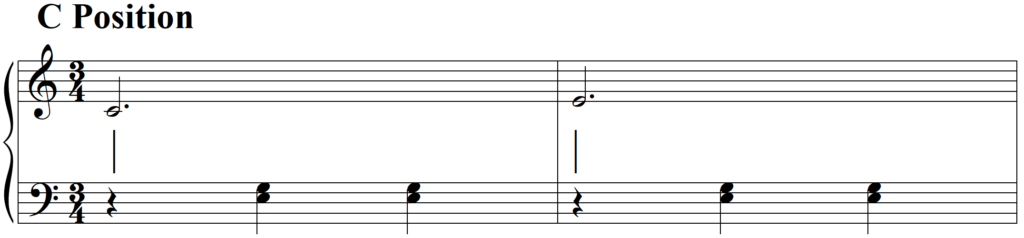
  3. If you have chord fragments when you play hands separate, the chords will sound better and make more sense when you put them together (example 3 below). (When you only have a piece of the chord in one hand, you’ve got a chord fragment.) For example, I have a student who’s been learning an arrangement of New York State of Mind, which uses complex jazz-blues chords. He struggled with playing hands separate. However, it went better when he put the hands together, because it sounded like the song, which also made it easier to play. Here’s a quick tip for this situation. It’ll be best to start with hands separate, but quickly transition to hands together.
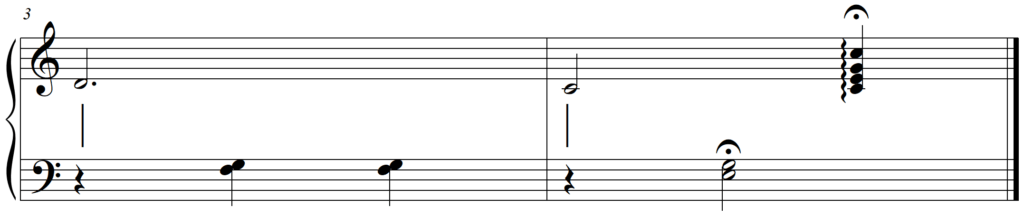
  4. Finally, does your score have the notes, intervals, and chords arranged so the hands don’t play at the same time? If so, it’ll be much simpler to play it with hands together. Since the hands never line up timewise, it’ll almost be like playing a single line (example 4 below).
Why Can I Play Piano Hands Together but not Separately - Seventh Chords

Complex Chords:

Why Can I Play Piano Hands Together but not Separately - Almost Like Playing a Single Line 1
Why Can I Play Piano Hands Together but not Separately - Almost Like Playing a Single Line 2

Almost Like Playing a Single Line:

Video: “New York State of Mind” Arrangement

Concluding Thoughts to “Why Can I Play Piano Hands Together but not Separately?”

“Why can I play piano hands together but not separately?” Most likely the piece lends itself to playing with both hands.

To review, you have four factors that contribute to easier hands together playing:

  1. Arpeggios that span across both hands
  2. RH/LH crossovers
  3. Chord fragments
  4. The notes and intervals don’t get played by both hands at the same time.

It’s important to start new songs with a flexible frame of mind, because the best way to approach them can vary. With practice and persistence, you’ll be able to master each new song.

Related Posts

© 2023 Geoffrey Keith

Newsletter Signup

Join me for in-person or online lessons today!

Back to the All-Purpose Music Tips and Topics category blogs page

Back to the Successful Music Student Blogs page

Glossary

Music Therapy vs Music Lessons - Violinist

Music Therapy vs Music Lessons

Do you have a special needs child who loves music? Are you confused about the difference between music therapy and music lessons? The goals for music therapy won’t be the same as for music lessons. Keep reading “Music Therapy vs Music Lessons” to help you decide which is best for your child. Estimated reading time 2 minutes.

Read More

Basic Arpeggios Explained in Less Than Three Minutes - Harp

Basic Arpeggios Explained in Less Than 3 Minutes

Are you clueless about arpeggios? An arpeggio, or broken chord, is a basic musical figuration that’s used in multiple musical genres and playing styles. It adds grace and elegance to your music, allowing you to achieve a lighter and more sophisticated sound. Keep reading “Basic Arpeggios Explained in Less Than 3 Minutes” to learn what they are and how they work. Estimated reading time 2 minutes.

Read More
How Do I Organize a Recital Concert - Woman at the Piano

How Do I Organize a Recital Concert?

Are you a music teacher? Are you organizing your first music recital? Whether you’re doing a classical recital, Christmas piano recital, a mini recital, or a chamber music recital, these musical recitals will all be organized basically the same way with just a few variations. Read more to answer the question, “How do I organize a recital concert?” Estimated reading time 4 minutes.

Read More
Hail the New Year with the Popular Old Lang Syne Song - Happy New Year

Hail the New Year with the Popular Old Lang Syne Song

Are you looking for the popular “Old Lang Syne” song? In this post, you’ll get the essentials: 1) a video of the song, 2) the lyrics, and 3) sheet music with easy-to-read shape notes and a sing along soundtrack. In addition, if you’re asking, “What in the world does the title ‘Old Land Syne’ mean?” I’ll answer that question as well. Keep reading “Hail the New Year with the Popular Old Lang Syne Song” to learn more. Estimated reading time 2 minutes.

Read More