Success Music Studio

How to Graduate from the Color Coded Music Score - Girl Playing Violin - What's the Difference Between Practice and Play on an Instrument? - How to Color Code the Elusive Alto Clef

What’s the Difference Between Practice and Play on an Instrument?

Facebook
Twitter

Estimated reading time 2 minutes

Table of Contents

What's the Difference Between Practice and Play on an Instrument #1: The Importance of Practice

Have you ever wondered what’s the difference between practicing and playing? Practicing will be an important part of your growth as a musician. However, do practicing and playing get the same results? Read more to learn, “What’s the difference between practice and play on an instrument?”

According to the New Grove Dictionary of Music and Musicians, studies have found that the best pianists and violinists needed 10,000 hours of practice to master their instruments (Vol 20, 555).  Not that you need 10,000 hours to start playing decently, but the example of the master musicians shows us the importance of practicing. However, does playing have as big a role in your improvement as practicing?

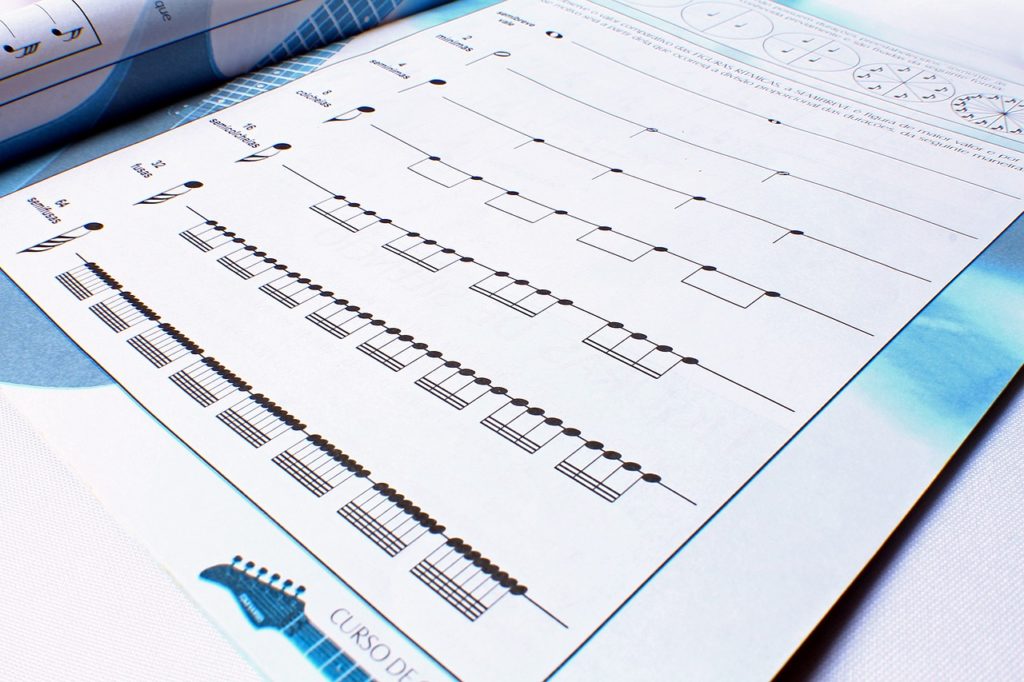
Color Code Rhythm - rhythm sheet music - What's the Difference Between Practice and Play on an Instrument?

What's the Difference Between Practice and Play on an Instrument #2: Interchangeable?

“What’s the difference between practice and play on an instrument?” An even better question would be, “Is there a difference between practicing and playing?”

  • Yes and no.
  • In a sense, practicing is playing. It’s fun to play songs, so it’s fun to practice.
  • The trick for music teachers will be to have students learn fun songs that they can play comfortably.

For my students, I do make a distinction between practicing and playing.

  • I tell them that practicing is when they play the songs I’ve assigned them.
  • Playing happens after they’ve finished practicing.
  • It can be playing a favorite song, improvising, or composing music.

Practicing may be playing, but playing won’t get the same results as practicing.

  • Playing doesn’t have the same systematic approach to acquiring musical skill as practicing.
  • Both practicing and playing will be important in your life as a musician.
  • But never skimp on practicing because that’ll be what helps you progress as a musician.
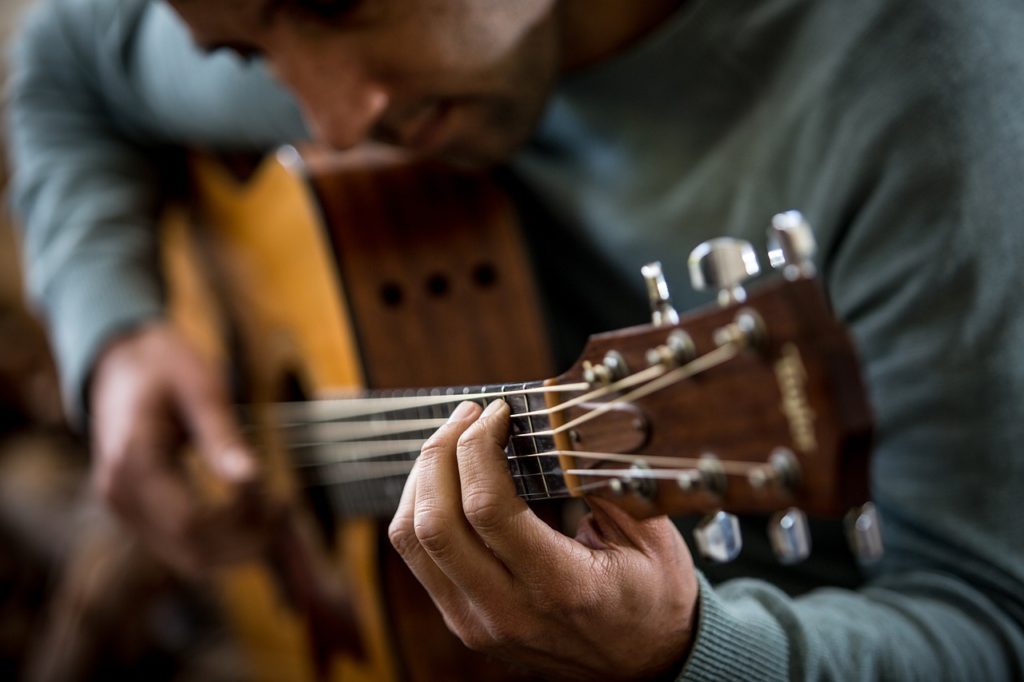
Dyou Want Some Music Tips and Tricks I've Learned Over the Years - Guitar Player - What's the Difference Between Practice and Play on an Instrument

What's the Difference Between Practice and Play on an Instrument #3: Summary

Here’s some final thoughts on, “What’s the difference between practice and play on an instrument?”

  1. Practicing is playing, and playing is fun.
  2. When you play, you play whatever you want – just for fun.
  3. Playing fun music gives you the incentive to practice because the fun songs will usually be harder songs.
  4. However, playing doesn’t replace organized practice sessions.
  5. You’ll need to practice, not just play, if you want to get better at your instrument.
  6. When you practice, you’ll play the stuff your music teacher (if you have one) tells you to.
  7. Also, you’ll play it how your music teacher tells you to.
  8. Therefore, practicing is playing, but playing isn’t always practicing.

Have fun!

Related Posts

© 2023 Geoffrey Keith

Newsletter Signup

Join me for in-person or online lessons today!

Back to the All-Purpose Music Tips and Topics category blogs page

Back to the Successful Music Student Blogs page

How Can I Write a Song Without an Instrument - Music Laptop - The 5 Best Free Music Notation Apps

How Can I Write a Song Without an Instrument?

“Can I write a song if I don’t play an instrument? If I have a melody and lyrics in my head, how can I create backing tracks for my song?” Good news! You too can write songs, even if you can’t play an instrument. Click to read, “How can I write a song without an instrument?” Estimated reading time 2 minutes.

Read More
The Gifted Dyslexic and Insight Learning - Notepad and Computer - What Exactly Is a Ballad and How Do You Write One?

The Gifted Dyslexic and Insight Learning (Part 4)

Have you ever wondered if you’re gifted and dyslexic? Or are you a parent of a child who’s gifted and dyslexic and want more information. Sometimes it can be difficult to recognize giftedness. Ronald Davis states, “This would commonly be recognized as daydreaming or simply not paying attention. The student is actually paying attention but has shifted to an imaginary world that is more interesting” (“The Gift of Learning” 38). How is this a sign of giftedness? Keep reading “The Gifted Dyslexic and Insight Learning” to learn about the last of our four dyslexic strengths. Estimated reading time 3 minutes.

Read More
Singing Rhythm Syllables in 2-4 Time - Female Singer - Singing Rhythm Syllables in 9-8 Time - Perfect Pitch: Discover the Truth [Plus Absolute Pitch Test]

Singing Rhythm Syllables in 9-8 Time

Do you have trouble performing compound meters, such as the 9-8 time signature? The post’s soundtrack will help you get the sound of 9-8 in your ear as you practice along with it. Read more to learn about singing rhythm syllables in 9-8 time. Estimated reading time 4 minutes.

Read More