









Success Music Studio

Singing Shape Note Solfege Aeolian Melodies - Music Book - How Do I Switch from Minor Key Shaped Notes to Standard Notation

Singing Shape Note Solfege Aeolian Melodies

Facebook
Twitter

Estimated reading time 2 minutes

Table of Contents

Introduction

Do you want to sing Eastern European folk melodies and mediaeval chants? Are you puzzled about how the aeolian mode works? Modes have been a feature of music from ancient times to today. Singing Shape Note Solfege Aeolian Melodies lets you explore the exotic sound of the aeolian mode.

We’ve covered these modes so far:

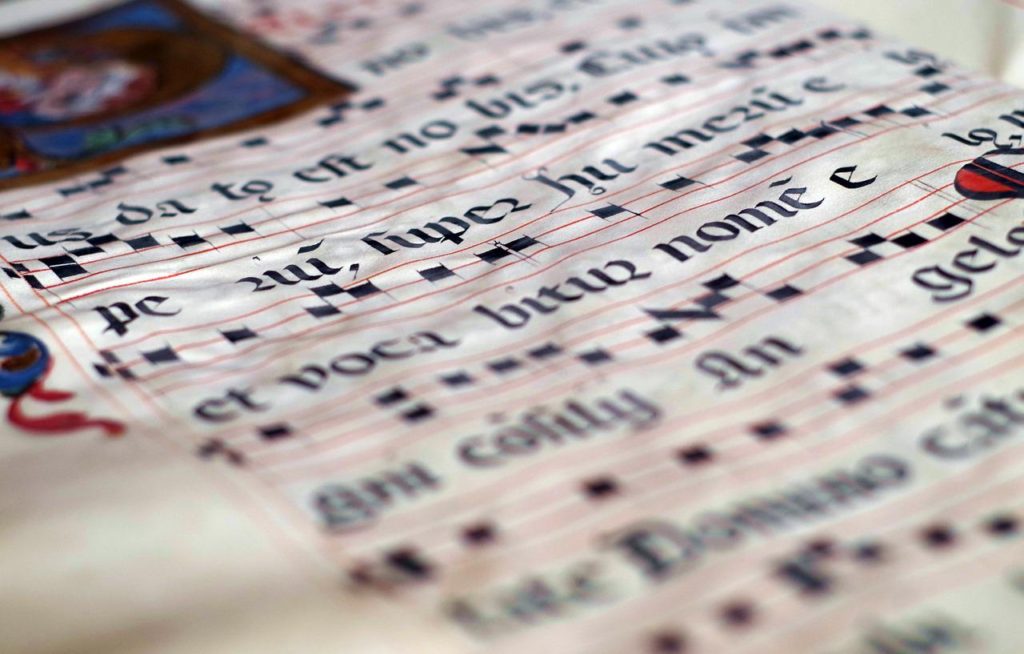
Singing Shape Note Solfege Dorian Melodies - Chant Manuscript - Singing Shape Note Solfege Aeolian Melodies - Discover Early Music Via Beautiful Medieval Gregorian Chants

The Modes and Singing Shape Note Solfege Aeolian Melodies

Mobile users: for best results reading the music, tilt your screen 90o to the right.

Singing Shape Note Minor - G Natural Minor

The G Aeolian Mode:

Sing with the G Aeolian Mode soundtrack to practice the aeolian scale before singing the shape note solfege aeolian melody in the next section.

The aeolian mode is commonly known as the natural minor scale.

  • However, modern Western songs rarely stay in only the natural minor.
  • Instead, present-day songs will mix in notes from the harmonic and melodic minor scales as well.
  • You’ll find the aeolian scale featured in the folk music of Eastern Europe, especially Russia.

For a discussion of how the modes work, click here.

For more info on shape notes:

Congaudeat Turba Fidelium and Singing Shape Note Solfege Aeolian Melodies

Singing Shape Note Solfege Aeolian Melodies - Congaudeat turba fidelium - line 1
Singing Shape Note Solfege Aeolian Melodies - Congaudeat turba fidelium - line 2
Singing Shape Note Solfege Aeolian Melodies - Congaudeat turba fidelium - line 3
Singing Shape Note Solfege Aeolian Melodies - Congaudeat turba fidelium - line 4

Congaudeat Turba Fidelium:

The chant used in Singing Shape Note Solfege Aeolian Melodies comes from The Crowley Coral Book, which in turn took the tune from an 11th century manuscript.

  • Remember to take a breath after each phrase, which helps prevent your pitch from going flat.
  • The sing-along soundtracks feature a carefully chosen tuning that supports accurate melodic intonation. It’s essential to include the soundtracks into your daily practice as they’ll aid the development of your brain’s pitch schemata.
  • The song tracks use synthetic voices rather than actual voices. Research has shown that this will help with the ability to identify and produce absolute pitch information. For more information, click here.
  • To enhance your learning experience, I’ve included a video of Congaudeat Turba Fidelium.

Once you can sing Congaudeat Turba Fidelium comfortably, you can try the quiz below.

Congaudeat Turba Fidelium Video

Singing Shape Note Solfege Aeolian Melodies: Quiz

Singing Shape Note Solfege Aeolian Melodies - Quiz - line 1
Singing Shape Note Solfege Aeolian Melodies - Quiz - line 2
How Do You Sing Eastern European Vocal Harmony in 2nds by Ear - Babushka Musicians - Singing Shape Note Solfege Aeolian Melodies

Finals Thoughts on Singing Shape Note Solfege Aeolian Melodies

Shape notes help all singers to improve their reading skills. Having said that, individuals with ADD, LD, ASD, and other special needs will particularly benefit from the multisensory approach.

Regardless of your learning style or skill level Singing Shape Note Solfege Aeolian Melodies will help you improve. Have fun singing!

© 2023 Geoffrey Keith

Newsletter Signup

Join me for in-person or online lessons today!

Back to Shape Notes and Solfege category blogs page

Back to the Successful Music Student Blogs page

Glossary

Question - How Do I Get Better at Sight Singing - Male Singer - What Exactly Is a Ballad and How Do You Write One? - How to Have Fun Singing Karaoke Songs

Question, How Do I Get Better at Sight Singing?

“What purpose do accidentals serve in reading sheet music?” Sharps, flats, and naturals (collectively called accidentals) grew out of a problem that needed to be fixed in the mediaeval music notation. The music theorists of the time slapped their fix onto the preexisting notation system, and that fix is still with us to this day. However, having confused generations of budding musicians, the results of the fix leave a lot to be desired. Click to answer the question, “What purpose do accidentals serve in reading sheet music?” Estimated reading time 3 minutes.

Read More


Singing in Tune with Vowels - Light Painting - songwriting templates - Need Advice for Teaching a First Year High School Jazz Pianist

Singing in Tune with Vowels

Want to have better vocal tone? Want to sing in tune? Singing is all about the vowels. Vowels have a central role in singing, because the vowels impact your tone. Also, they impact how you tune when you harmonize. This happens when sound passes through the formants - the resonant folds in the vocal tract. The formants filter your voice’s harmonic overtones, which influences your harmonic intonation. Read more to learn about singing in tune with vowels. Estimated reading time 6 minutes.

Read More
I’m Confused About What Precisely D.S. al Coda Means - Rose and Sheet Music

I’m Confused About What Precisely D.S. al Coda Means

“I’m confused about what precisely D.S. al Coda means.” This marking is part of a class of music notation called “signs of repetition.” Some of the more advanced signs of repetition can be confusing, including this one. Keep reading to find out how it works. Estimated reading time 2 minutes.

Read More
Harmony is Tone Color - Xylophone - Tips for Synthesizing an African Balafon Style Xylophone Sound

Tips for Synthesizing an African Balafon Style Xylophone Sound

Do you have a hard time recreating on the synth the xylophone sounds from your favorite world music? Do you want to know how to tune the African balafon? The tuning and tone color of an instrument are closely tied together. Keep reading to get info and tips for synthesizing an African balafon style xylophone sound. Estimated reading time 4 minutes.

Read More