




















Success Music Studio

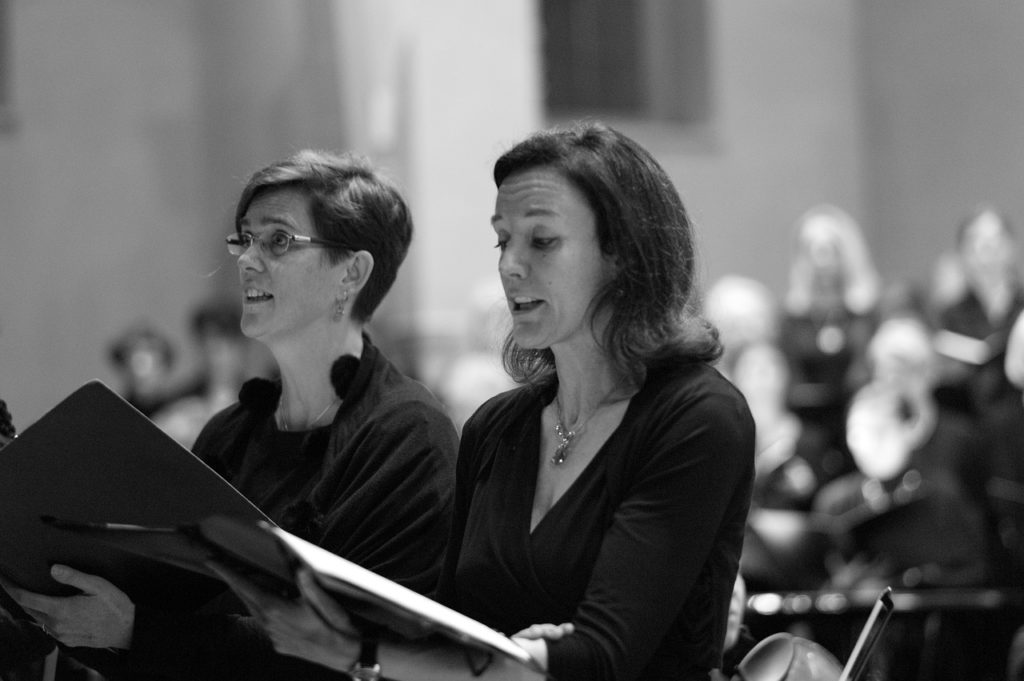
shape note singing lesson - women singers reading music

Shape Note Singing Lesson

Facebook
Twitter

Estimated reading time 3 minutes

Table of Contents

Introduction

Want to be able to sight sing melodies? Shape notes makes reading easier. Read more for your shape note singing lesson.

  • Last post, we sang scales and songs in the keys of C, Db, D, and Eb. The more keys you know, the better your will sight sing.
  • Therefore, in this post, we will explore the keys of E, F, Gb, and G for both scales and songs.
  • As we sing, listen (on the sing-along song tracks) for how the relationships between the notes remain the same yet the whole melody sounds higher.
  • The song tracks use synthetic voices rather than actual voices. Research has shown that this will help with the ability to identify and produce absolute pitch information. For more information, read Why Use a Synth Voice Instead of Real Voices.

This article uses musical terms. For definitions, see the Glossary at the end of the post.

Shape Note Singing Lesson - Sheet Music Birds

Shape Note Singing Lesson: Review

For a detailed discussion of sight singing with shape notes and solfege read:

Breathing, Phrase Structure, and the Shape Note Singing Lesson

Mobile users: for best results reading the music, tilt your screen 90o to the right.

Shape Note Singing Lesson - Joy to the World (Words) line 1
Shape Note Singing Lesson - Joy to the World (Words) line 2

Joy to the World:

  • We will use “Joy to the World” as our solfege song for today. This song also creates the chance to talk about breathing and phrase structure.
  • Look at the music example above. The symbol that looks like an apostrophe tells us to take a breath.
  • As a rule, singers breathe at phrase endings. In other words, you breathe when you see the punctuation in the text. Since breaking up the text phrases makes the lyrics harder to understand, you should try to avoid it if you can.
  • However, exceptions exist, because sometimes you need to breathe more often and other times less.
  • Regardless, you need to breathe fairly often. If you run out of breath, your pitch will sink, making you go out of tune. Also, it makes your vocal tone sound bad. Therefore, you need to carefully map out the points in a song where you will sneak a breath.
  • After you have sung the short “Joy to the World” phrases, for fun you can sing the full song. The video has the lyrics.

Scales and Melodies for the Shape Note Singing Lesson

Scales

Shape Note Singing Lesson in E Major line 1
Shape Note Singing Lesson in E Major line 2

E Major Moveable Do Shape Notes:

Shape Note Singing Lesson in F Major line 1
Shape Note Singing Lesson in F Major line 2

F Major Moveable Do Shape Notes:

Shape Note Singing Lesson in Gb Major line 1
Shape Note Singing Lesson in Gb Major line 2

Gb Major Moveable Do Shape Notes:

Shape Note Singing Lesson in G Major line 1
Shape Note Singing Lesson in G Major line 2

G Major Moveable Do Shape Notes:

Joy to the World

Shape Note Singing Lesson - Joy to the World in E Major line 1
Shape Note Singing Lesson - Joy to the World in E Major line 2

E Major Joy to the World:

Shape Note Singing Lesson - Joy to the World in F Major line 1
Shape Note Singing Lesson - Joy to the World in F Major line 2

F Major Joy to the World:

Shape Note Singing Lesson - Joy to the World in Gb Major line 1
Shape Note Singing Lesson - Joy to the World in Gb Major line 2

Gb Major Joy to the World:

Shape Note Singing Lesson - Joy to the World in G Major line 1
Shape Note Singing Lesson - Joy to the World in G Major line 2

G Major Joy to the World:

Shape Note Singing Lesson Quiz

Shape Note Singing Lesson Test line1
Shape Note Singing Lesson Test line 2

Joy to the World Video

Conclusion

Shape notes help anyone to sight sing better. However, they remain a particularly powerful multisensory teaching tool for helping LD, ADD, autistic, and other special needs students learn music.

The more you match the sounds of the solfege with the note shapes, the better your sight singing will become. Therefore, daily practice with the sound files in the shape note singing lessons will help you master the solfege.

© 2021 Geoffrey Keith

Newsletter Signup

Join me for in-person or online lessons today!

Back to Shape Notes and Solfege category blogs page

Back to the Successful Music Student Blogs page

Glossary

Active Versus Passive Voice How to Write Them - Man Typing on Phone

Active Versus Passive Voice: How to Write Them

Are you confused about what’s the difference between active and passive voice? Do you need help writing them? You need to understand their advantages and disadvantages if you want your prose, poems, and songs to sound tight and be easy to listen to and read. Click “Active Versus Passive Voice: How to Write Them” to learn what they are and how they work. Estimated reading time 3 minutes.

Read More

1 in 5 students have a learning disability

How to Become a Good Music Teacher

Do you want to be a good music teacher? It’s more than just being patient or being a good role model. There are five skills that make a good music teacher. Click “How to Become a Good Music Teacher” to learn what the skills are. Estimated reading time 3 minutes.

Read More
What Exactly Is Attenuation for Home Recording Studios - Sound Studio

What Exactly Is Attenuation for Home Recording Studios

Do you want to know what the word attenuation means? Do you need to know what the attenuation control on your soundboard does? If you want the songs and demos you produce in your home recording studio to sound good, you need to understand how your gear works. This includes volume-related equipment such as limiters, compressors, and your soundboard’s various gain and attenuation controls. Keep reading “What Exactly Is Attenuation for Home Recording Studios” to find out what attenuation is and how it works in sound recording. Estimated reading time 4 minutes.

Read More