
Success Music Studio

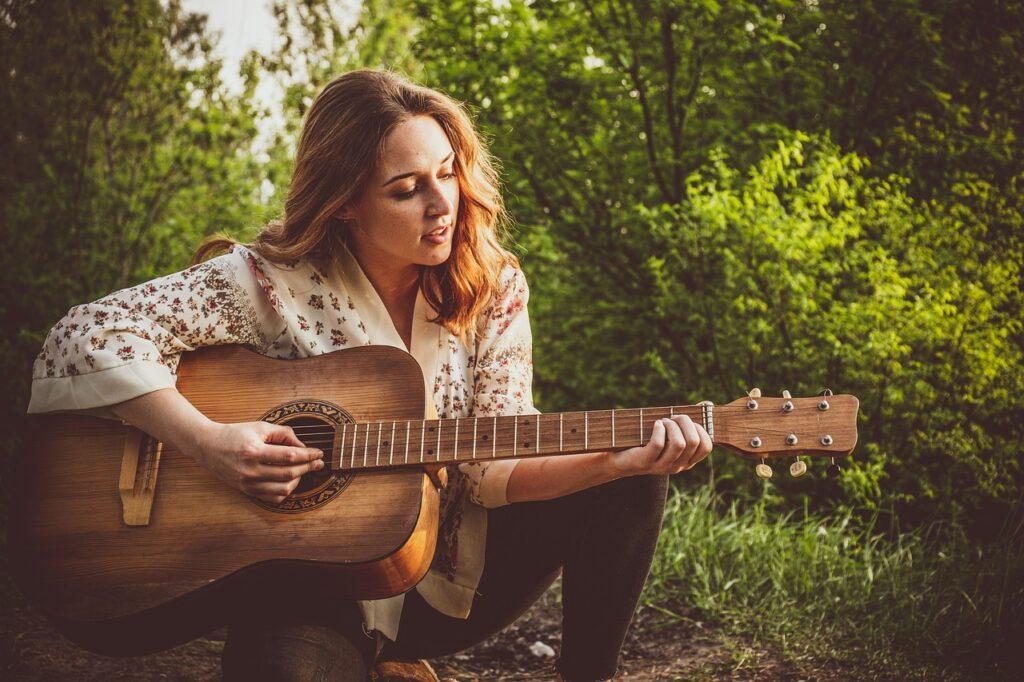
What're the Key Differences Between Contralto and Alto Voice - Young Woman with Guitar Singing

What’re the Key Differences Between Contralto and Alto Voice?

Facebook
Pinterest
LinkedIn

Estimated reading time 2 minutes

Table of Contents

Introduction

“What’s the difference between an alto and a true contralto?” While they may seem to be superficially similar, they have their own individual ranges and vocal tone qualities. Keep reading to find out what’re the key differences between contralto and alto voice.

This article uses musical terms. For definitions, see the Glossary at the end of the post.

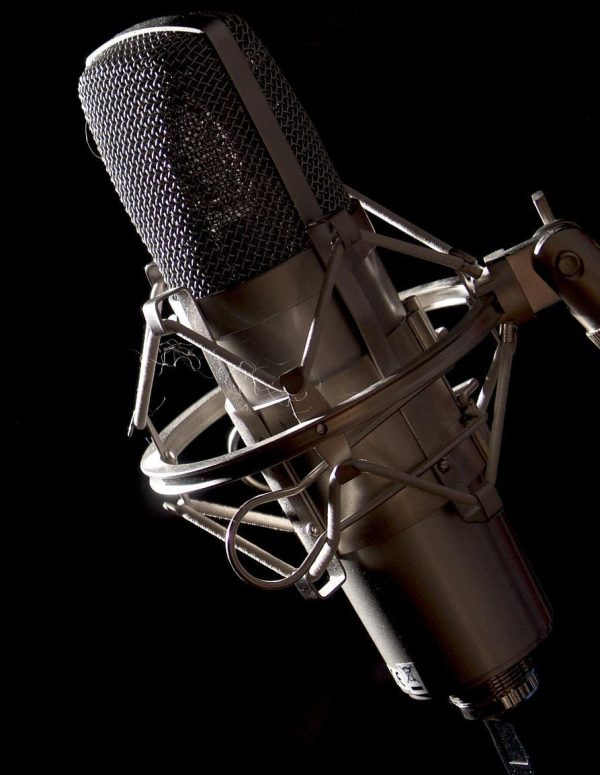
Where Do I Start if I Want to Be Able to Sing A Cappella - Microphone - What’re the Key Differences Between Contralto and Alto Voice? - An Easy How to Guide for Singing Diphthongs in English

This post contains affiliate links, which means I may receive a small commission from purchases made through the links. I’ll only recommend products I use, use in lessons, or ones my students or colleagues have recommended.

The Key Differences Between Contralto and Alto Voice: What’s an Alto Voice?

In classical music, both terms are used synonymously. For example, The New Harvard Dictionary of Music has this definition:

Alto [It.]. (1) A low female voice, also called contralto… (32)

However, in contemporary usage, they mean different things.

So, let’s look at altos first:

  • In SATB writing they perform the part between the sopranos and the tenors.
  • They have a conservative tessitura of G3 to C5 (see the Find Your Vocal Range in 1 Minute video).
  • In vocal ensembles, they’ll usually sing harmonies that support the overall sound while focusing on vocal blend.

Famous Altos:

  • Bonnie Raitt
  • Gladys Knight
  • Norah Jones

Video: Norah Jones

The Key Differences Between Contralto and Alto Voice: What’s a Contralto Voice?

True contraltos are the women who can sing the low notes:

  • It’s a rare vocal range, with only about five percent of women fitting this voice type.
  • They have a conservative range from F3 to B4 (see the Find Your Vocal Range in 1 Minute video), though many women can sing lower than that.
  • Also, the singing sweet spot is lower for them.

In addition, they can be a good fit for many different styles of music. The New Grove Dictionary of Music and Musicians states:

The versatility of such singers can be indicated by naming only three:

    • Ethel Waters: who moved from vaudeville and musical comedy to evangelical touring.
    • Ella Fitzgerald: whose extraordinary voice reached down to d and who competed with jazz instrumentalists in her “scat-singing” improvisations.
    • Marlene Dietrich: whose films roles made special use of her sultry and husky singing. (6:372)

Famous Contraltos:

  • Cher
  • Toni Braxton
  • Marian Anderson

Video: Cher

The Key Differences Between Contralto and Alto Voice: How Do They Differ?

Despite having somewhat similar ranges:

  • Altos can sing in the higher mezzo soprano range or in the traditionally lower range that they use in choir, while true contraltos will have a fuller, darker sound when going for the low notes.
  • Also, contraltos can go low enough that they can be mistaken for tenors.
  • Normally, these singers are found in solo performance settings.

Video: Find Your Vocal Range in 1 Minute

Want to sing like these ladies? These mics will help!

Final Thoughts

Takeaway points:

  1. Altos normally sing harmonies that support the overall sound of a vocal ensemble while focusing on vocal blend.
  2. True contraltos can go low enough that they often get mistaken for tenors, and their voices usually are found in solo performance settings.
  3. It’s a rare vocal range and tone quality, with only about five percent of women fitting this voice type.

Have fun singing!

Glossary

ASD - Girl Playing a Guitar - Once Sheet Music is All Digital, Why Not Always Colour-Code Notes - What Do You Think of the Chord Buddy for Special Needs Guitarists

What Do You Think of the Chord Buddy for Special Needs Guitarists?

“What do you think of the Chord Buddy for special needs guitarists?” I first heard about using the Chord Buddy with special needs students from Sarah Fard at the 2019 Able Assembly. However, I’ve found it works better for some students than for others. Read more to find out who benefits. Estimated reading time 3 minutes.

Read More

How to Explain an Octave to an Absolute Beginner Musician - Man Playing Piano

How to Explain an Octave to an Absolute Beginner Musician

Are you confused about what an octave is? Or are you a music teacher with a student that doesn’t understand how they work? Octaves are one of the most fundamental music theory concepts. When teaching music students, it helps to demonstrate them on a keyboard instrument, so I’ve created a keyboard diagram you can reference. Keep reading “How to Explain an Octave to an Absolute Beginner Musician?” to dive into the theory. Estimated reading time 2 minutes.

Read More

How to Overcome the Fear of Performing in Front of an Audience - Concert Pianist - Tips for Playing a Different Dynamic in Each Hand on Piano - What Are Some Elegant Examples of Polyphony?

Tips for Playing a Different Dynamic in Each Hand on Piano

Does playing a different dynamic in each hand on piano seem like it’d be impossible to do? Would you like help figuring out how it works? A lot of people have trouble playing a different dynamic in each hand. However, the trick is to treat as them connected - not as separate dynamics. Read more to learn the tips for playing a different dynamic in each hand on piano. Estimated reading time 3 minutes.

Read More
Whats the Secret of Practicing Arpeggios – Pianist

What’s the Secret of Practicing Arpeggios?

“What’s the secret of practicing arpeggios?” Arpeggios are both an important playing technique and a useful compositional device. They can add a flowing grace to your playing. Keep reading to learn more. Estimated reading time 3 minutes.

Read More