




Success Music Studio

play like a rock star with open G tuning - black beauty Les Paul Guitar - What Do You Think of the Chord Buddy for Special Needs Guitarists - The 7 Best Iconic Riffs That Make People Want to Play Guitar

Play Like a Rock Star with Open G Tuning

Facebook
Twitter

Estimated reading time 3 minutes

Table of Contents

Introduction to How to Play Like a Rock Star with Open G Tuning

Have you had a hard time getting the sound of your favorite rock guitarist? Have you ever felt frustrated that the guitar sounds out of tune? In the post, Tune Like a Rock Star, we talked about how Keith Richards tunes his guitar without holding down any frets. Today, you will play one of the guitar styles that works well with this special open tuning. Read more to learn how to play like a rock star with open G tuning.

This article uses technical musical terms. For definitions, see the Glossary at the end of the post.

80s Hard Rock Guitar (lead and rhythm):

Tuning-up with Harmonics and How to Play Like a Rock Star with Open G Tuning

Mobile users: for best results reading the tab, tilt your screen 90o to the right.

Tune Like a Rock Star - Open G Tuning with Harmonics line 1
Tune Like a Rock Star - Open G Tuning with Harmonics line 2
Tune Like a Rock Star - Open G Tuning with Harmonics line 3

Tune the 5th string using this track:

The first step in learning how to play like a rock star with open G tuning is to tune your guitar. Tune the fifth string (the second thickest string) to the first track. The track sounds the note G. Then, use the above tablature (tab) to tune the rest of the strings to open G.

Need more detail that this? Read How to Tune the Classic Rock Open G Sound Using Harmonics where I walk you through tuning open G. It also explains how tab works.

2112’s guitar tuning - electric-guitar - Can Somebody Explain Why Power Chords Sound Powerful?

1980s Rock Style

Electronic Tuners vs. Harmonics and How to Play Like a Rock Star with Open G Tuning

As you learn how to play like a rock star with open G tuning, you will realize that the major chords in the tuning sound awesome with distortion. The next track demonstrates a major chord (with distortion) tuned to equal temperament (using a standard electronic tuner). The third track shows the same chord (with distortion) tuned using harmonics.

Listen to both tracks. You can hear that the harmonics-based-tuning sounds smoother that the equal tempered version. In fact, the equal tempered version sort of sounds like the acoustic equivalent of curdled milk.

Equal tempered major chord (distortion):

Major chord tuned with harmonics (distortion):

How to Play Like a Rock Star with Open G Tuning: 8os Hard Rock Guitar

Styles with sustained and repeated major chords work well in open G tuning (tuned with harmonics). This means that many 80’s pop and rock styles work with open G, particularly hard rock and heavy metal. The first tab example demonstrates how to play the rhythm guitar part in the 80s Hard Rock Guitar track. It is similar to riffs by Kiss, AC/DC, and Pat Benatar.

When you listen to the track, you might think, “What’s the big deal! I’ve heard a lot of music that sounds like this.” That is exactly the point.

You can hear when comparing tracks 2 and 3 how the tuning affects the tone of the guitar. Many professional guitarists tune their guitars to make some chords sound better than others. I have just shown you an important part of getting this classic rock sound.

Your strings, pickups, effects, and amp settings all have an impact on the guitar’s sound as well. Nevertheless, the guitar’s tuning remains an important part of the guitar’s sound that usually gets overlooked and is a significant factor for playing like a rock star with the open G tuning.

80s Hard Rock Guitar

80s Hard Rock Guitar (lead and rhythm):

To learn how to play the trill at the beginning of this track:

How to Play Like a Rock Star with Open G Tuning: Soloing

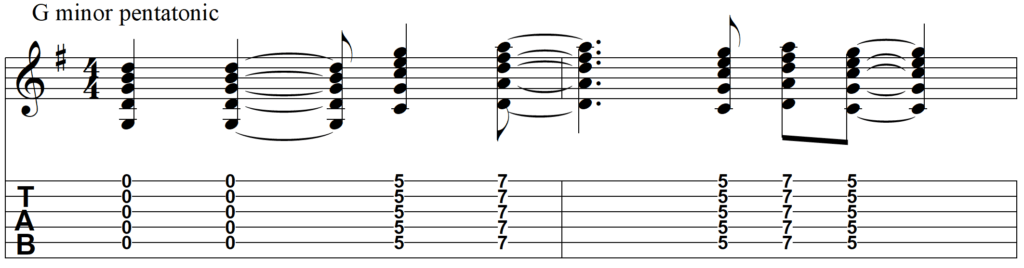
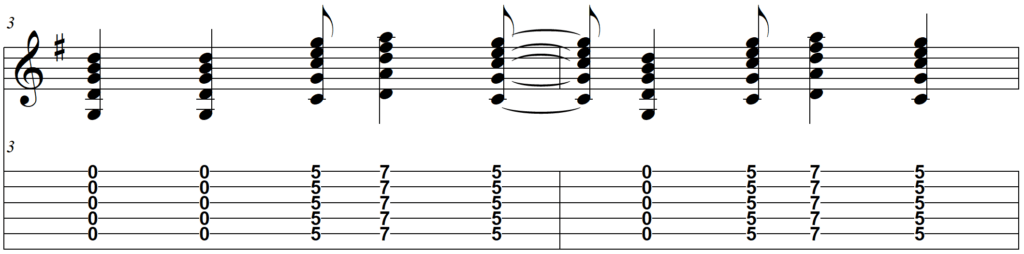
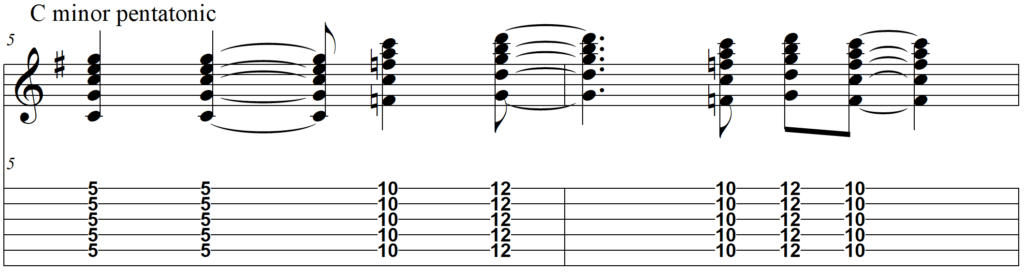
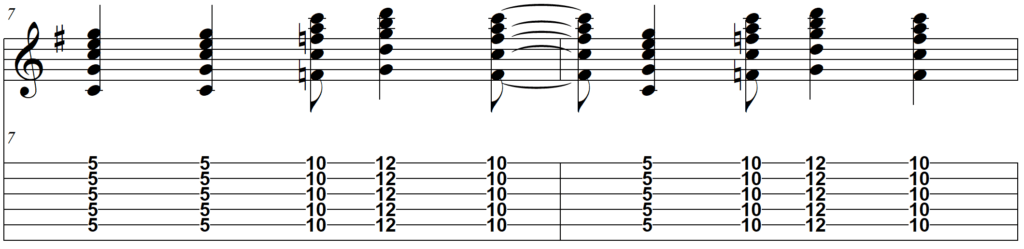
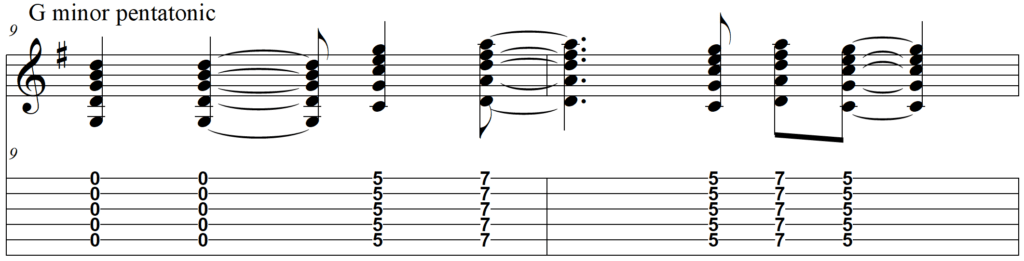
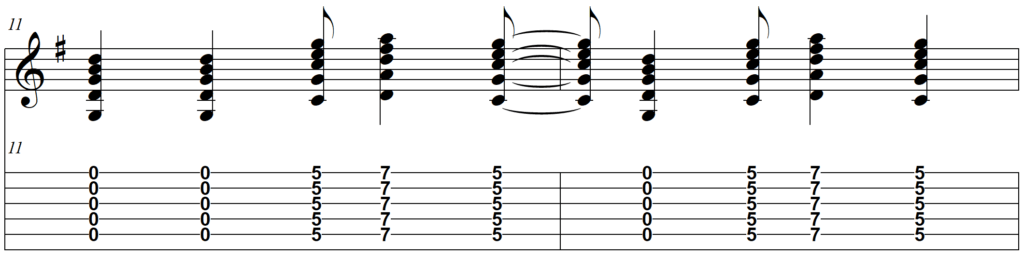
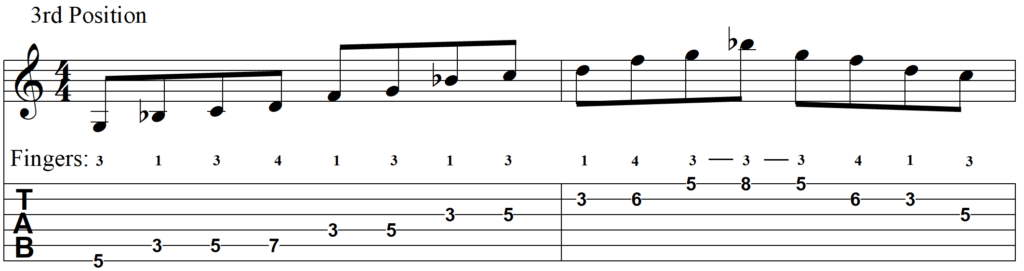
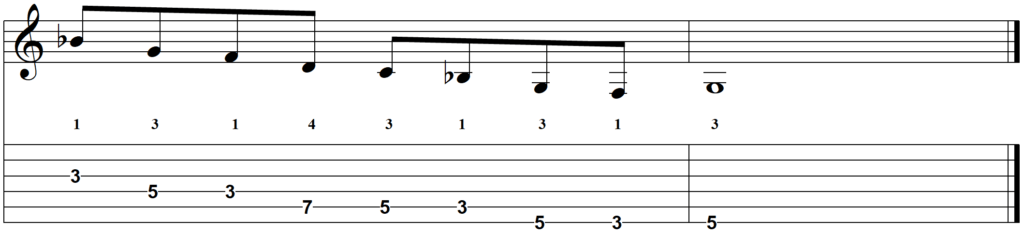
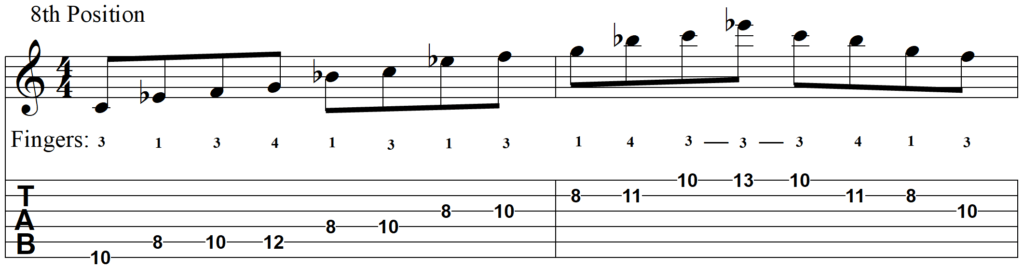
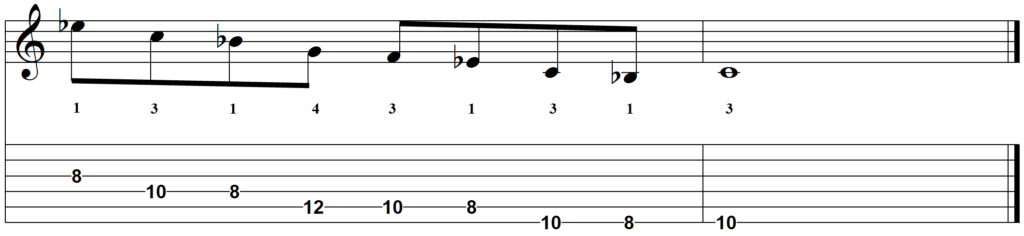
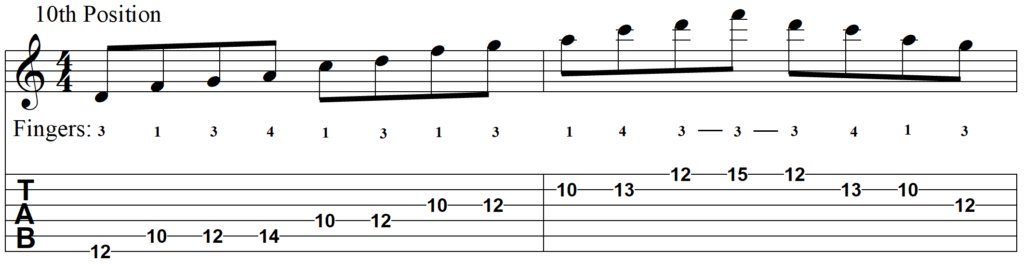
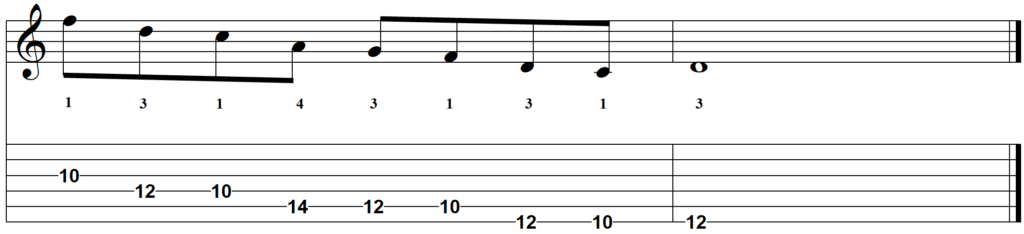
The tab examples below show the scales used for soloing. You can play G minor pentatonic over all of track 5. However, you can lock into the chord progression even better by changing to C and D minor pentatonic as well. The score above suggests when you should change scales.

Start by confining your solos to the second, third, and fourth strings. Soloing here looks and feels a lot like standard tuning.

This is why we started with open G, because open G has three strings tuned the same as standard tuning. It makes it easier for guitarists new to alternate tunings to learn how to solo over open tunings. When you can solo over these three strings, expand you playing to the rest of the strings.

The last track contains just the rhythm guitar part, so you can practice soloing over it. Here is your chance to play like the rock stars with the open G tuning. If you solo using a slide, you have the flexibility to lock the tuning of the solo in with the rhythm guitar’s intonation.

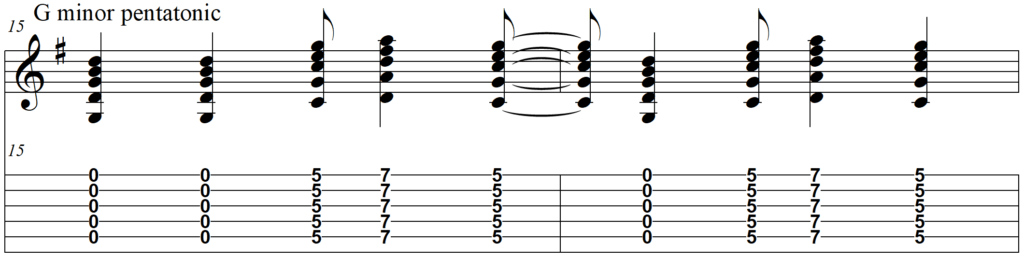
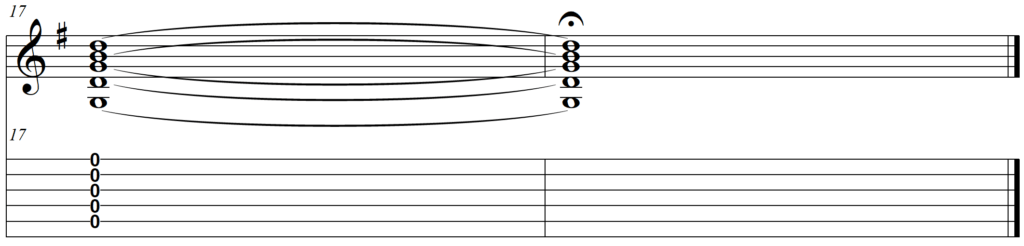
G Minor Pentatonic

Play Like a Rock Star with Open G Tuning - G Minor Pentatonic line 1
Play Like a Rock Star with Open G Tuning - G Minor Pentatonic line 2

C Minor Pentatonic

Play Like a Rock Star with Open G Tuning - C Minor Pentatonic line 1
Play Like a Rock Star with Open G Tuning - C Minor Pentatonic line 2

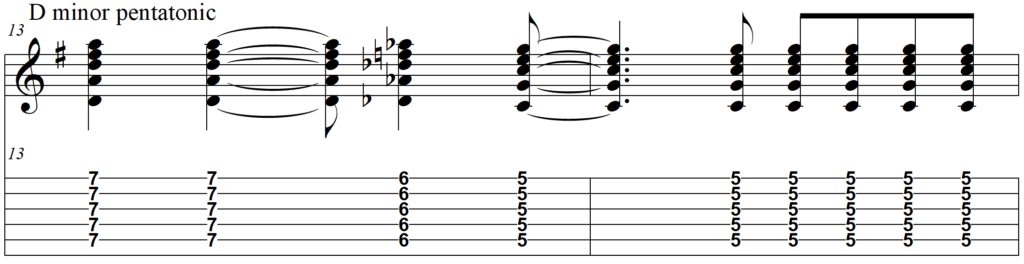
D Minor Pentatonic

Play Like a Rock Star with Open G Tuning - D Minor Pentatonic line 1
Play Like a Rock Star with Open G Tuning - D Minor Pentatonic line 2

80s Hard Rock Guitar (rhythm):

Conclusion

Glossary

Singing in Tune with Vowels - Light Painting - songwriting templates - Need Advice for Teaching a First Year High School Jazz Pianist

Singing in Tune with Vowels

Want to have better vocal tone? Want to sing in tune? Singing is all about the vowels. Vowels have a central role in singing, because the vowels impact your tone. Also, they impact how you tune when you harmonize. This happens when sound passes through the formants - the resonant folds in the vocal tract. The formants filter your voice’s harmonic overtones, which influences your harmonic intonation. Read more to learn about singing in tune with vowels. Estimated reading time 6 minutes.

Read More

How to Play Your $@*% Viola in Tune

Do you need advice on how to get your viola to sound good? Traditional strings (e.g., violin, viola, etc.) have an edge on fretted strings (e.g., guitar, banjo, etc.), because they have flexible pitch and so can get their harmonies gorgeously in tune. However, this is only true if you have solid intonation skills. Click to learn how to play your viola in tune. Estimated reading time 4 minutes.

Read More
Art vs Commerce in Songwriting - Mozart

Art vs Commerce in Songwriting

Ever wonder if writing a hit song means you’re selling out? When pitching songs, do you worry about losing creative control? The question of art vs commerce has only been with us a relatively short amount of time. Read more to find out what changed. Estimated reading time 6 minutes.

Read More
How to Color Code Musical Diagrams - Guitar Chords - The G Major Scale (Including the G Major Chord Scale) - The C Major Scale (Including the C Major Chord Scale) - What Exactly Is a Chord and What Does the Term Harmony Mean - How to Play the Easy Beginner Guitar F Chord Without a Barre

The G Major Scale (Including the G Major Chord Scale)

Do you want to know what notes and chords are in the G major scale? Do you find the theory behind the G major chord scale confusing? To truly understand music, you must know how to construct scales and how to build chords from the scale tones. Read “The G Major Scale (Including the G Major Chord Scale)” to learn how they work. Estimated reading time 3 minutes.

Read More