Success Music Studio

Piano


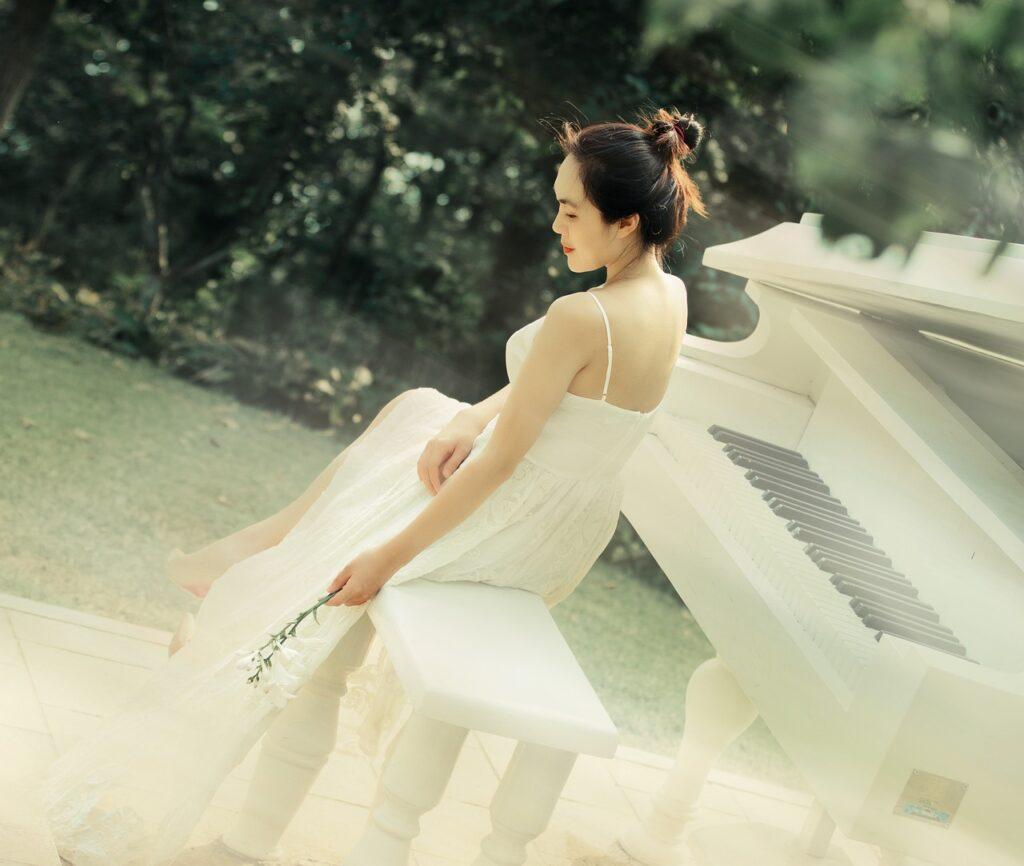
sing in tune with synth setting - woman sitting at a piano


Do you want to know how to play or teach piano better? The archive contains posts about teaching the piano. In addition, it contains posts with tips for playing and notating piano music. Plus, there are posts that deal with traditional music theory and also the theory of micro tuning keyboards.


A Quaint History of the Piano


The Organ & the Gamut

The funny thing about keyboard instruments, such as the piano and organ, they did not originally have keys. The father of all keyboard instruments is a water organ called the hydraulis.


When the Greeks developed the hydraulis, it had slat-like sliders instead of keys. Water moving from a higher chamber to a lower chamber created suction, which moved air through the pipes. The sliders controlled how air passed through the set of ranked pipes.


By the mediaeval period, the organ began to look more like the modern keyboard. However, it did not have black keys yet. Also, the “keys” actually looked more like fist sized levers, because form followed function. It took around a century and a half for the keys to shrink down to finger size.


As the theory of scales developed into the mediaeval gamut, theorists added the black keys. Bb came first. The Bb sign looks a lot like a lowercase B, because the first ever accidental started as a B. At first, the theorists thought the other black keys were accidents. Even today we call the black keys accidentals and the white keys naturals.


However, the keyboard did not always come with white naturals and black accidentals. In the 1700s, keyboards commonly switched the color of the accidentals and naturals.


The Harpsichord & the Piano

The harpsichord proceeded the piano. The name “harpsichord” makes it sound like it was a harp that played chords.


However, an instrument with strings passing over a resonating body technically should be called a zither, not a harp. Of course, the name zithachord would just have sounded silly.


By the early 1700s, Bartolomeo Cristofori  had perfected the hammer action of the piano. The organ and harpsichord couldn’t play dynamics through the keys, which frustrated composers.


Therefore, the piano was designed as a keyboard that could play both soft and loud. Thus, Cristofori called it the arpicembelo che fa il piano e il forte. This roughly translates into “a harpsichord that makes soft and loud.”


Historical pianos are called pianofortes or fortepianos.  Eventually, people shortened the name to piano. So, when you play the piano, you are technically playing the soft.


© 2021 Geoffrey Keith


Back to the Successful Music Student Blogs page

 

Reading Music (A Quick Guide to How to Read Music) - Sheet Music

Reading Music (A Quick Guide to How to Read Music)

Do you want to know how to read sheet music? It doesn’t matter whether you’re talking vocal sight reading, reading classical music, or understanding guitar tab, basic music reading will remain mostly the same. In some way, shape, or form all music notations track notes and rhythms, but how they do so will sometimes be different. Read more of “Reading Music (A Quick Guide to How to Read Music)” to get an overview of how to read sheet music. Estimated reading time 5 minutes.

Reading Music (A Quick Guide to How to Read Music) Read More »

playing the piano with color coded notes - girl playing piano - 12 Easy Piano Songs (Including Twinkle Twinkle Little Star) - How to Play Piano (Kid’s Color Coded Piano Hand Placement) - What Is the Precise Meaning of Scaffolding in Teaching - How to Teach Music Students with Dyscalculia - What’s Pervasive Developmental Disorder and Its Impact on Music?

12 Easy Piano Songs (Including Twinkle Twinkle Little Star)

Are you looking for easy songs to play on piano? This post has videos of 12 easy piano songs for young beginners, including “Twinkle Twinkle Little Star.” This will be a good first introduction to playing keyboard instruments, so you can find out if your child likes playing music. Keep reading to learn these 12 basic piano songs. Estimated reading time 4 minutes.

12 Easy Piano Songs (Including Twinkle Twinkle Little Star) Read More »

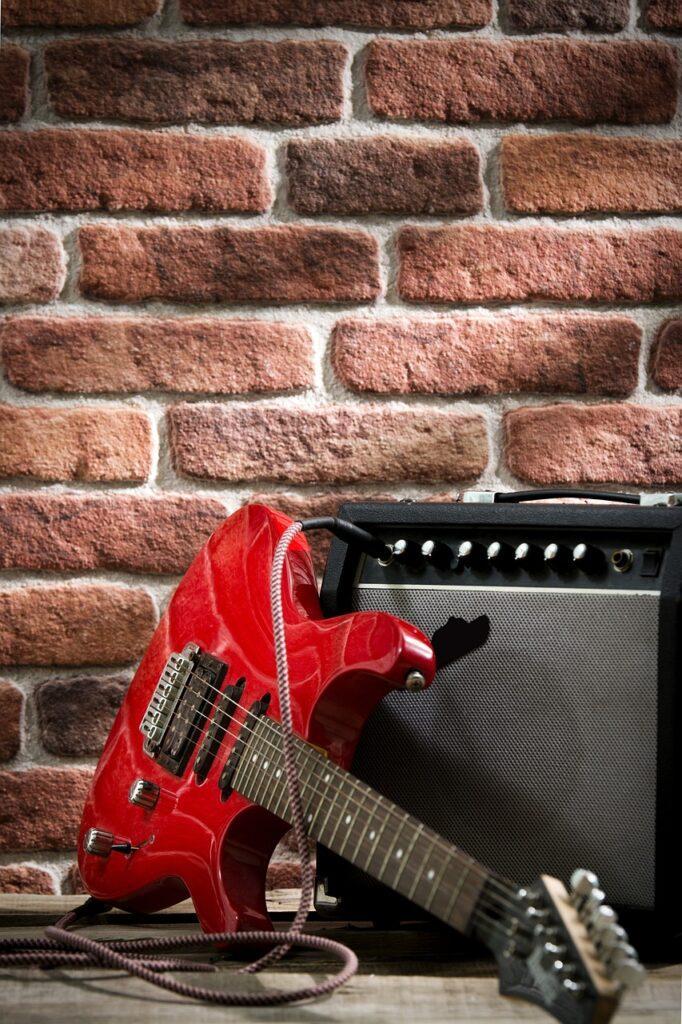
The C Major Scale (Including the C Major Chord Scale) - Red Guitar with Amp

The C Major Scale (Including the C Major Chord Scale)

Do you want to understand the notes, chords, and patterns in the C scale better? Figuring out how scales and chords work together will unlock your ability to improvise, compose, and play music. Keep reading to learn how the C major scale (including the C major chord scale) works. Estimated reading time 2 minutes.

The C Major Scale (Including the C Major Chord Scale) Read More »

How to Color Code Musical Diagrams - Guitar Chords - The G Major Scale (Including the G Major Chord Scale) - The C Major Scale (Including the C Major Chord Scale) - What Exactly Is a Chord and What Does the Term Harmony Mean - How to Play the Easy Beginner Guitar F Chord Without a Barre

The G Major Scale (Including the G Major Chord Scale)

Do you want to know what notes and chords are in the G major scale? Do you find the theory behind the G major chord scale confusing? To truly understand music, you must know how to construct scales and how to build chords from the scale tones. Read “The G Major Scale (Including the G Major Chord Scale)” to learn how they work. Estimated reading time 3 minutes.

The G Major Scale (Including the G Major Chord Scale) Read More »

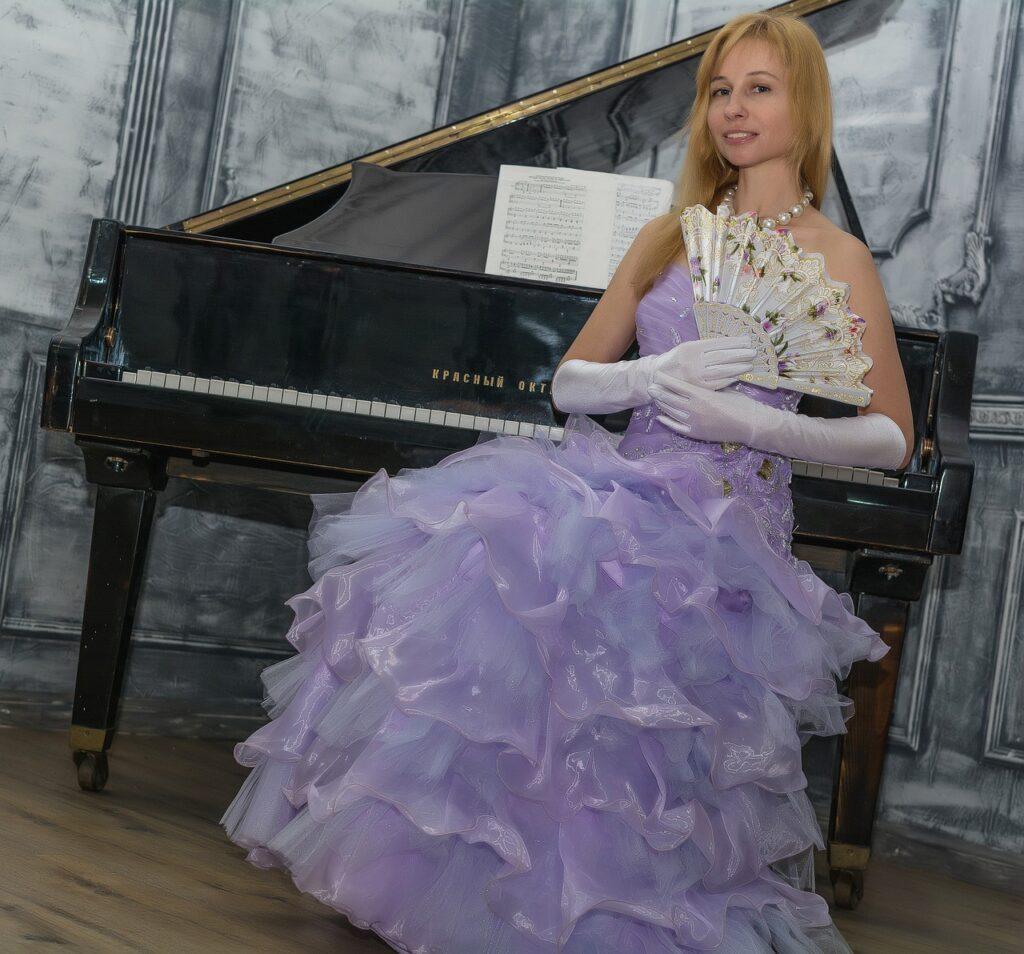
How Do I Organize a Recital Concert - Woman at the Piano

How Do I Organize a Recital Concert?

Are you a music teacher? Are you organizing your first music recital? Whether you’re doing a classical recital, Christmas piano recital, a mini recital, or a chamber music recital, these musical recitals will all be organized basically the same way with just a few variations. Read more to answer the question, “How do I organize a recital concert?” Estimated reading time 4 minutes.

How Do I Organize a Recital Concert? Read More »

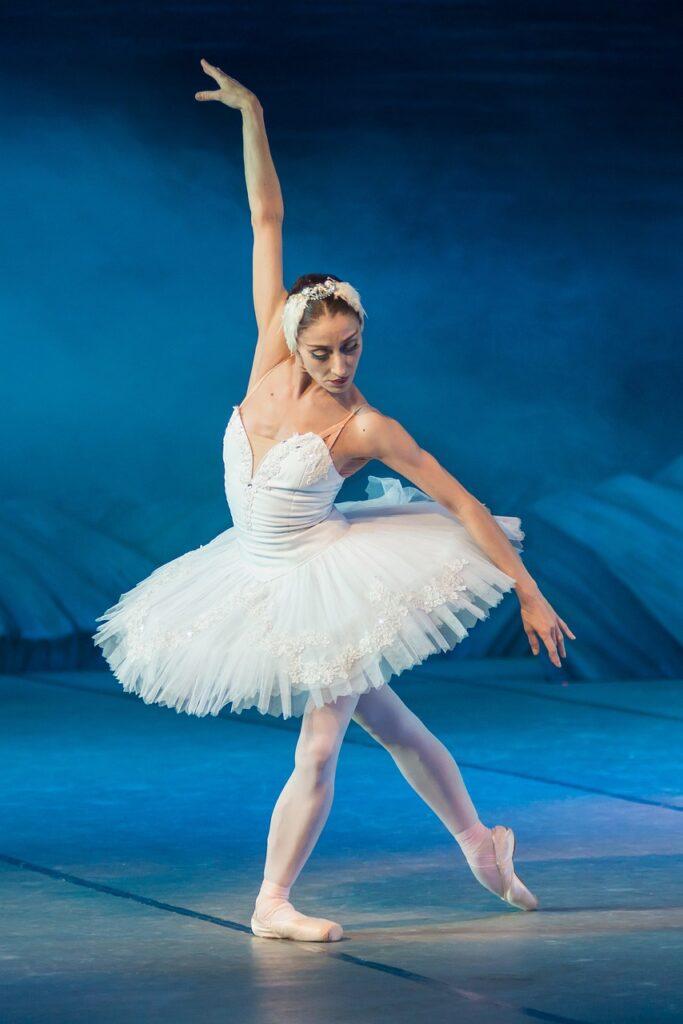
Stage Fear, How to Deal with Performance Anxiety - Ballerina

Stage Fear! How to Deal with Performance Anxiety

Do you have stage fear? Stage fear, also known as stage fright or performance anxiety, affects a lot of people. It can happen when you’re giving a speech, performing a song, or on the soccer field (sports anxiety). Keep reading “Stage Fear! How to Deal with Performance Anxiety” to learn how to work through your stage fright without needing to take medicine for performance anxiety. Estimated reading time 3 minutes.

Stage Fear! How to Deal with Performance Anxiety Read More »

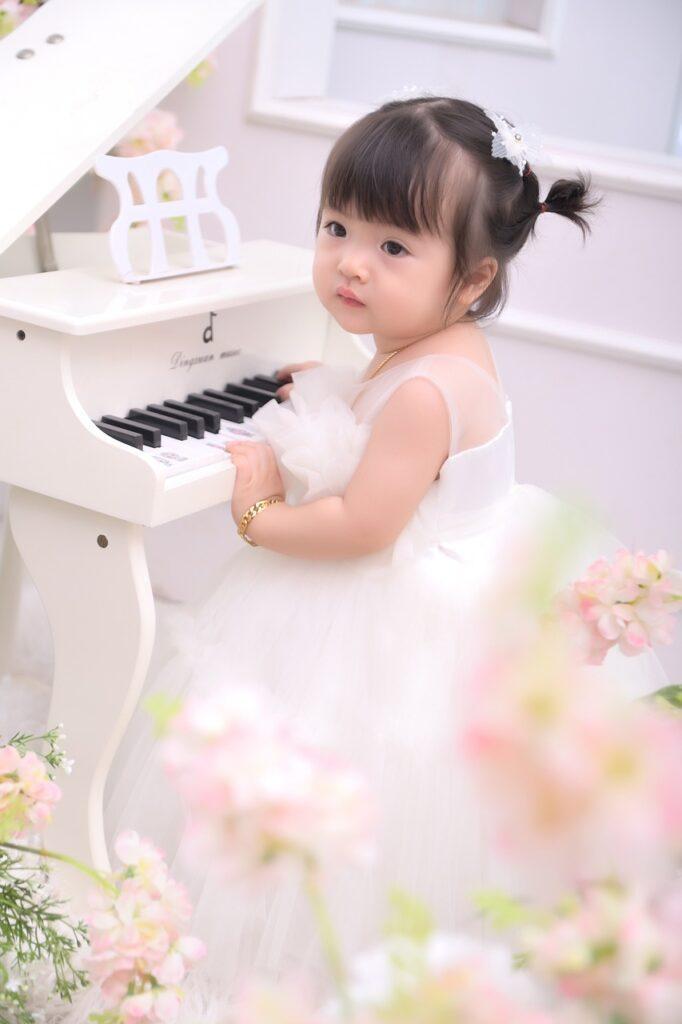
Is the Suzuki Music Methodology Bad for Learning Piano - Little Girl at Toy Piano - Best Music Program for Three-Year-Olds

Is the Suzuki Music Methodology Bad for Learning Piano?

“Is the Suzuki music methodology bad for learning piano?” Well, it really depends on what you want out of lessons. Like with many things, Suzuki music does some things well, and others poorly. Keep reading to learn the pros and cons of the Suzuki methodology when teaching children music. Estimated reading time 3 minutes.

Is the Suzuki Music Methodology Bad for Learning Piano? Read More »